This essay tackles tactical frivolity through costumed performance: frogs and similar clowns' role, fighting state abuse through campy theatre "making it gay*" to raise awareness; e.g., concerning fatphobia, racism, gay panic, animal cruelty, whorephobia and police brutality (my emphasis being sex work/unpaid labor—achieving intersectional consciousness and solidarity [awareness and teamwork] during ludo-Gothic BDSM [rape play/camp†], Gothic maturity and ass war all having the whore's revenge[1]). "Like acid and oil on a madman's face, His reason tends to fly away" (Blue Öyster Cult's "Astronomy," 1974), leaving onlookers not in the know a bit perplexed. Wherefore art thou, frog? And what is tactical frivolity whenever one "feels froggy"?

*"Making it gay" = camp, which tactical frivolity essentially is—and whose various dualistic factors (e.g., jester privilege, abjection/the Gorgon, kayfabe) this essay shall pack, step-by-step during ludo-Gothic BDSM. In case anyone's lost about the essay title, though, it refers to a now-famous line by Alex Jones: "They're making the frogs gay!" He said this (to my knowledge) in response to hearing about frogs changing their sex in the wild. While this is something frogs do, it's generally instinctually—meaning not a conscious decision, but one triggered chemically by pollution in the environment (specifically chemicals in the water, if memory serves). In any event, there's no conspiracy of evil sex wizards "making frogs gay"; they naturally thwart sexual binaries socially constructed by capital, and generally in response to manmade factors—i.e., if anyone's "making the frogs gay" the way Jones declares, it's climate change/the ruling class ruining the environment. This isn't something I've written about, alone; others, like Hannah Boast, have done so, too: "By examining the role of humor in gay frog clips and memes, this article shows how liberal mockery of Jones has inadvertently mainstreamed far-right beliefs and served to consolidate alt-right notions of victimhood. In spite of this, it argues that the comic potential of the gay frog holds promise for queer ecologists seeking to think differently about sex and nature" (source: "Theorizing the Gay Frog," 2022). Indeed, such ideas are as old as frogs, which science and poetry court as fundamental links to the natural world—as biological curios, but also ancient symbols: of transformation, queer representation, and sexual reproduction, fertility and endless rebirth (similar to the moth, but tied to bodies of water versus symbols of death).
†"Camp = rape play to reverse abjection, and 'we camp canon because we must' (from Colin Broadmoor to me, 2021 and 2023). This happens by enjoying taboo things, specifically by playing with them in subversive ways that liberate sex work (therefore all work): enjoy 'harm' without endorsing its unironic forms, subversive play a necessary form of critique, during ludo-Gothic BDSM, regarding things normally played without thought (me vis-à-vis Anita Sarkeesian's famous adage)" (source: "Sharing the Blame," 2025). This effectively describes tactical frivolity and gay frogs, per the abjection process/revolutionary cryptonomy (see: "Notes on the Gorgon," deeper in).
Concerning State Vampirism

(artist: Karen B.; cited: "The World Is a Vampire," 2024)
This piece (essay or otherwise) is part of a larger series on state vampirism. As I conceive it, state vampirism = feeding through the state mid-abjection*, be it openly capitalist or Marxist-Leninist. These are largely questions of aesthetic, whose Promethean (self-destructive) function extends to other configurations "of Omelas"; e.g., Zionism. Furthermore, there's overlap between my anti-Zionist work and my work critiquing Marxist-Leninism/state vampirism alongside capital, so consider reading both.
*Which state predation and revolutionary action both rely upon to function; i.e., "on the Aegis" as something to further or reverse, mid-vampirism, through paid/unpaid labor (re: me, vis-à-vis Julia Kristeva). To that, abjection (us versus them/alienation and fetishization) is one of four main Gothic theories my book series utilizes—the other three being hauntology (retro-future), cryptonymy (show/hide) and chronotopes (time-space) alongside smaller theories; e.g., Jerrold Hogle's ghost of the counterfeit† and Barbara Creed's monstrous-feminine (Gorgons and Amazonomachia, as I study it). As a queer sex worker and academic, I dialectically-materially prioritize abjection and vampirism through unpaid labor—chiefly sex work as exploited by Cartesian dualism and its harmful, maximalist binaries under Capitalist Realism, treating nature as monstrous-feminine (re: "Nature Is Food," 2024)—but mention the other theories, too (access "Four Main Gothic Theories (the Four Gs)" in "Paratextual Documents" for their longer definitions). In essence, capital/the state rape by design, which unpaid labor prevents by breaking Capitalist Realism mid-abjection; i.e., reversing abjection during ludo-Gothic BDSM (rape play) when having the whore's revenge (which "State Vampirism" explores at length): "to break the profit [and productivity] motive by making a world for which it (and rape) are no longer possible using these methods; i.e., by using the same demonic and slutty language capital does, but at cross purposes" (source: "Rape Reprise," 2024).
†Re: "Raising Awareness" (2025), footnote 1.
Disclaimers/Concerning Censored Nudity and Its Educational Purpose
"Frogs Gay!" is part of my Sex Positivity book series, which continues after its June 2025 finale in small-form content; e.g., essays on and interviews with other sex workers, all of whom I credit on my Acknowledgments pages and Sex Work page. This piece doesn't focus on sex work itself, but widespread exploitation; i.e., in a shared predatory system, "whoring nature (and workers) out" in highly abject ways.
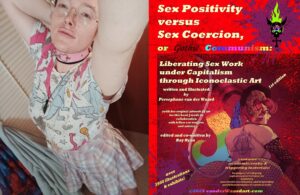
(artist, left: Bay Ryan; right: Persephone van der Waard)
For the Visually Impaired: I read this essay on my YouTube channel.
Disclaimer Regarding Essay Contents: All opinions are my own; i.e., as part of my research, conducted alongside my book series, Gothic Communism (2023). The material within is written/speaks about public figures and popular media for purposes of (sex) education, satire, transformation and critique, hence falls under Fair Use regarding copyright and free speech regarding defamation/obscenity laws (the Miller Test; source: Justice.gov). Click here for my entire series disclaimer. Lastly many of the links on this page lead to my age-gated 18+ website where my entire work on Gothic Communism is stored and exhibited.
CW: fascism, police brutality and rape*; racism, fatphobia, whorephobia, furryphobia, ableism, transphobia; animal abuse; discussions of sex work, fat liberation, body positivity and BDSM within a Gothic (monstrous-feminine) context
*Meaning (from my definition) "to disempower someone or somewhere—a person, culture, or place—in order to harm them," generally through fetishizing and alienizing acts or circumstances/socio-material conditions that target the mind, body and/or spirit) […] Rape can be of the mind, spirit, body and/or culture—the land or things tied to it during genocide, etc; it can be individual and/or on a mass scale" (source: "Psychosexual Martyrdom," 2024).
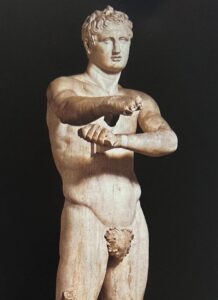
(artist: Lysippos; cited: Michael McClellan's "Professor Butter Beard and 'It's All About the Fig (Leaf)'")
Concerning This Pages' Censored Educational, Fig-Leaf-Style Nudity: This pages features censored, fig-leaf-style nudity* for purposes of sex and artistic education operating under the Miller Test/protected speech under American law (source: Justice.gov). For further info on my approach to censorship and sex education, kindly refer to exhibit -1 from "Raising Awareness" (which also discusses the hate campaign censors are currently waging against me and my friends' sex-ed work). All censored material is used elsewhere in my book series; i.e., as part of said series, and with permission from the models therein (re: my book series disclaimer). All models are over 18 and were when said material was produced.
*Meaning no bare genitals, just bare butt cheeks, curves and sexual context (and lots and lots of pubic hair, below); i.e., within a sex-educational, art-meets-porn framework that follows the Miller Test—one performed by sex workers and their content being voluntarily part of a larger project I continuously invigilate; e.g., my partner Crow:

(artist: Crow)
Concerning Keywords: My arguments rely on various keywords I've previously coined, which here present in bold while color-coded (usually only once, while stressing their keyword status; e.g., ludo-Gothic BDSM, Metroidvania, or the palliative Numinous, etc). While some are given here, in abridged form, "Paratextual (Gothic) Documents" (2024) provides all neologisms, in full.
Table of Contents
- O, Frog, Where(fore) Art Thou (+ Notes on the Gorgon)?
- Notes on the Gorgon
- Gay Frogs/the Gorgon-in-Small: a Shared Apocalypse upon Ourselves
- The Catalyst (feat. Bay)
- Unpacking Abjection
- Here Comes a New Challenger (feat. Mauve)!
- Putting Tactical Frivolity to Practice
- Footnotes
O, Frog, Where(fore) Art Thou (+ Notes on the Gorgon)?
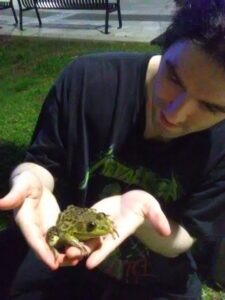
(model and photographer: Persephone van der Waard and Jadis)
This piece keeps things poetic/conversational when challenging racism, fatphobia and other bigotries. Keeping that in mind, "frog" = "clown" and "clown" = "abject," for our purposes, therefore "Gorgon" (and her mirror shield's apotropaic/anisotropic* function) as reprobate/synonymous with ubiquitous-yet-unspoken† horrors; e.g., fat, green prey animals generally framed as stupid; i.e., per nature as monstrous-feminine, pimped terror/counterterror by state forces mid-abjection, which whores/unpaid labor reverse during ludo-Gothic BDSM: the oldest struggle, therefore demonization of said struggle as something to re-humanize in canonically abject language (re: "Nature Is Food" and "Rape Reprise"). "Frog" = "mirror" but specifically black mirror (abjection/the Gorgon and her revenge) insofar as gay frogs showcase the humanity lacking in state powers enslaving nature/those "of it," under Cartesian dualism; re: thinking beings versus extended beings, capital cheapening life to move money through nature under capital/state vampirism (re: Patel and Moore's 2017 A History of the World in Seven Cheap Things; see: footnotes but also "Anarcho-Communism vs Marxist-Leninism (re: State Vampirism)" [2026], which unpacks that book vis-à-vis Gothic [gay-anarcho] Communism). Versus the king and king's men in the king's court—which capital extends to all of planet Earth—tactical frivolity is a potent, performative means of reversing abjection; i.e., achieved synchronistically by different actors in different settings; re: frogs, clowns, and whores, et al (and the princesses who kiss them, above) all enacting ludo-Gothic BDSM to cryptonymic degrees: illustrating mutual consent through tactical frivolity as ongoing. The Gorgon is, in this sense, both "queen of the frogs" and a hellish, feral embodiment of the land; i.e., as continuously raped by capital, cops-and-robbers, ergo a frivolous "terror mirror" on which to conjure up/camp all manner of abject revelations!
*To ward off evil or harm/to mean different things in different directions—both qualities the Gorgon (and her Aegis) classically entail, cryptonymy-and-abjection as dualistic.
Notes the Gorgon
Abjection is a form of relegation and reversal, the Gorgon banished historically to theatrical positions of darkness, Hell/the underworld, and myth, and where her paradoxical exposure/weapon-like nudity can testify to rape: as something "unspeakable" (taboo) that survives through Gothic fakery and lies/ancient myth—with Medusa being the original whore/rape victim to reap by state powers, from the grave(s) of which any desire for revenge rises up (re: me vis-à-vis Elizabeth Hadley; see: "Always a Victim" and "Medusa Misunderstood," 2025 and 2024): from Mother Nature's angry defiled corpse, nature-as-terrorist-whore pre-emptively killed per endless ethnocentric refrains (often cartographic; see: footnotes)!

(artist: Doc Zenith)
To it, home is false to Medusa, who endures through repression, paralysis and outrage towards the nuclear model (notably when reactionaries conflate nudity with rape; i.e., as something to blame on the victim, a given "homewrecker" testifying through public nudism while society tries to cover them [and rape] up; re: "Policing the Whore," 2024). "The Western world is generally a place that testifies to its own traumas by fabricating them; i.e., as markers of sovereignty that remain historically unkind to specific groups that nevertheless survive within them as ghosts of unspeakable events linked to systemic abuse" (source: "Healing from Rape," 2024). Such relegation throws Medusa into obscurity and is notably from where she strikes, cone-of-silence: her alien-green skin, stigmatized persona, animal appetite, rumored envy and baleful gaze turning her prey to stone. She does so by weaponizing rape's scapegoat in anti-predatory ways that—all the same—turn hunted into hunter (and vice versa). Snakes-for-hair and severed-head, her fog of war also includes: secret backroom deals, hushed whispers/word of mouth, and middle-class fakes tied to stuff-of-legend (re: the ghost of the counterfeit).
To that, and in keeping with Shelley's Modern Prometheus and Creed and company's Archaic Mother trope chasing the Numinous, Medusa is de facto queen of the monsters/abjection personified—a sorry position/woebegone status "earned" as much from the shadows/state misrepresentation as by good actors; i.e., the Gorgon cursed by the gods, but beheaded by mortal men and placed on their shields (decapitation a tactic of stealing power from warriors/terrorizing future rebellions, vae victis, with past ones). So is Medusa violence, terror and sex but also nature's revenge (re)incarnate, and largely by reputation/from the shadows. And if Harry Greb can largely dominate conversations of the greatest boxer to ever lace 'em up without footage (Dan Morley Boxing's "How Good Is Harry Greb's Resume Actually?" 2026), so can Medusa rule over all others before and after her supposed "defeat"; re:
When Perseus slew the Medusa he did not – as commonly thought – put an end to her reign or destroy her terrifying powers. Afterwards, Athena embossed her [mirror] shield with the Medusa's head. The writhing snakes, with their fanged gaping mouths, and the Medusa's own enormous teeth and lolling tongue were on full view [the OG "ahegao"]. Athena's aim was simply to strike terror into the hearts of men as well as reminding them of their symbolic debt to the imaginary castrating mother. And no doubt she knew what she was doing. After all, Athena was the great Mother-Goddess of the ancient world and according to ancient legend – the daughter of Metis, the goddess of wisdom, also known as the Medusa (source: Barbara Creed's The Monstrous-Feminine, 1993).
She's "the GOAT," as the kids say—a zombie/vampire, sex demon, and chimera all in one—nature-as-evil (re: abject/monstrous-feminine) having inspired the awesome, frivolous likes of Shelley's Creature; i.e., as preceded by Milton's Satan (a fallen angel defying God, His army and Heaven) before inspiring Lovecraft's Shoggoth and Giger's Xenomorph (as furious creatures of mad science), among many more besides! Whatever revenge that follows will be furious, the Gorgon's silent scream ultimately concerned with state hypocrisy and police brutality as having wronged her (and so many other women/nature as monstrous-feminine) from time out of mind: a dualistic means to feed under surveillance while bouncing various things back, memento mori and mirror-like, on hyphenations of eyes, mouth, and teeth.
Everyone loves the whore, and the whore is pissed; frivolity is revenge, then, which takes endless forms, mid-abjection, to manifest power/move it cryptonymically back and forth—re: per "Introducing Revolutionary Cryptonymy" and "Transgressive Nudism; or, Flashing Those with Power" (2024 and 2025), workers are shielded behind the canvas, the phone screen, the polaroid, etc, but also thematically though things they embody and communicate, show/conceal, in mirror-like ways; i.e., that flash the viewer with deathly images that, when seen, promote/promise embarrassing reversals under puritanical duress/contradiction as subsequently doomed. Nothing is more policed than sex/alienized and fetishized than whores (the black sheep of capital, both fleeced and fucked by state powers)—something the state, which it both hates and needs to survive, controls through/takes by force in ways we reverse back upon them; i.e., with reflections of their own hubris, cowardice, mortality and ultimately insignificance, state monopolies put ignominously "to the sword" through the best revenge of all: Medusa can't be killed, the "strict" mommy domme/dark mother (cruel mistress, femme fatale, etc) outlasting her enemies/traitors* while reminding them of their "symbolic debt," as Creed puts it—ergo, how hollow their victories are when crushed under her boot, payback's-a-bitch. She is death, itself; i.e., topping the Capitalocene from below as "state shift" (climate change; see: Patel and Moore, footnotes), Medusa is the ultimate power something to perform and perceive (as all power is)—an ancient adversary of the West's toxic model, and one which no one can cheat for long! "Extinction is the rule," as Carl Sagan put it; "survival is the exception" (Astrum Earth's "I Didn't Want to Make This Video," 2026). Empires die; the Gorgon does not, and she won't be kind if the state continues to rape her, unanswered!
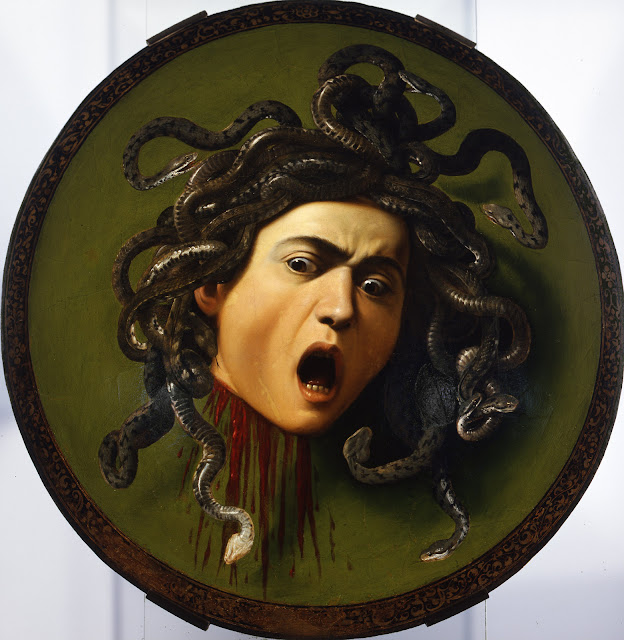
(artist: Caravaggio)
*Concerning Medusa-in-small—and speaking as a rape survivor, myself (re: "I'm a Rape Survivor" from "Raising Awareness")—rape doesn't define you so much as it becomes a power to turn against your foes. This leverage also applies to the system enabling such things: to show them what they try to hide, day after day. Murder will out, sooner or later, because they can't stop themselves. Medusa = every rape victim ever speaking out, "on the Aegis." Fascists, by comparison, betray labor to help the state rape by design; i.e., fascists betray to facilitate rape by design, including token examples "aping the Gorgon," in bad faith; e.g., TERFs, aka "fascist feminists" who don't care if rape happens, so long as the state is the one doing it:
For as long as I've written about them (c. 2022 into 2025; re: "Regarding Tokenism†"), I've always called TERFs "fascist feminists," a la Judith Butler: "The anti-gender ideology is one of the dominant strains of fascism in our times. So the TERFs will not be part of the contemporary struggle against fascism, one that requires a coalition guided by struggles against racism, nationalism, xenophobia and carceral violence, one that is mindful of the high rates of femicide throughout the world, which include high rates of attacks on trans and genderqueer people" (source: Emanuel Maiberg's "Why The Guardian Censored Judith Butler on TERFs," 2021). Personally, I always felt calling them anything else ignored, obscured or otherwise overlooked that fundamental character of their movement. However, I like Ethel's using TERF and gender-critical feminist interchangeably to reference different historical points; i.e., in the same larger group, indicating their being mask-off or not: when they start calling themselves TERFs openly to court state/corporate power in support of Musk, GROK, and state-sponsored pedophilia. In short, TERFs think rape is fine provided the state's the one doing it... which they promptly abject onto state victims, witch-hunter-style; i.e., acting oppressed and cop-like to betray their own (source YouTube community post, Persephone van der Waard: February 18th, 2026, in response to Essence of Thought's "GROK Belongs to the TERFs Now!' - Predatory Anti-Trans Creep," 2026).
†Or as Cinzia Arruzza writes in Feminism for the 99%: A Manifesto (2019),"We have no interest in breaking the glass ceiling while leaving the vast majority to clean up the shards. Far from celebrating women CEOs who occupy corner offices, we want to get rid of CEOs and corner offices" (source). To being the token executioner of the state—a la subjugated Amazons (which white liberal feminism argues for out of Antiquity into the present)—is a hollow victory and a hollow victory is no victory at all: "Feminism must be anticapitalist, eco-socialist and antiracist" (ibid.); re (as Patel and Moore write): "Thus a revolutionary politics of sustainability must recognize—and mobilize through the contradictions of—a tripartite division of work under capitalism: labor power, unpaid care work, and the work of nature as a whole. Worker exploitation is bound together with the appropriation of extrahuman nature and the unpaid work of care" (source: A History of the World in Seven Cheap Things).
To it, TERFs will adopt any mask or label they want, policing such things in duality/mid-kayfabe with "borrowed [stolen] robes"; i.e., insofar as Nazis and Communists—good actors and bad—share the same cryptonymy's abject bodies, stages and costumes, onstage and off (re: "Witch Cops and Victims: Fetishized Witch hunters and -Hunted in the Ever-Growing Police State"; written 2022, published 2025). Liberation and exploitation, then, cannot be so easily divided/must be engaged with by stewards of nature, contending with state poacher "on the Aegis." Assimilation is poor stewardship, silence death, and segregation no defense; e.g., open reactionaries calling constantly for defense of "home," "family" and "women/children" from a chimera of immigrants, gay people, and racial minorities—on top of anything else they scapegoat as "degenerate," mid-abjection (while moderates finger-wag or otherwise enable them)—only to have the "leopards" (the state) "eat their face." Betrayal is betrayal; betraying workers only maintains the very structure that betrays labor/nature, by design—i.e., "all roads lead to Rome." Those who assist/uphold the state gradually take on its qualities, growing sick over time as fascists and liberals always do (as two sides of the same coin): with blind eyes and hungry mouths, standing for absolutely nothing but state hegemony/the rape of anything around the state by state actors. No one is immune or exempt. As tolerances slowly fail—and the state gates them in formerly concentric prisons given over to a broader "open" population, mid-panopticon—traitors slowly toxify to eat themselves alive (see: the zombie section to my Undead Module, but also "Toxic Schlock Syndrome" and footnote two on "toxification," from "Defined through Sex" [2025]: "This is why I'm an anarchist, kids (re: 'Preface'); Marxist-Leninism 'horseshoes' into fascism because the state, Marxist or not, always decays to protect itself by eating itself through lies that hijack its own war/persecution mechanisms"). In short, the state defends itself by cannibalizing everyone, saving the most loyal "for last."
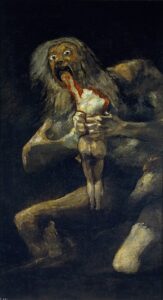
(artist: Francisco Goya)
Gay Frogs/the Gorgon-in-Small: a Shared Apocalypse upon Ourselves
The Gorgon—as something to show during ludo-Gothic BDSM (which tactical frivolity essentially is)—embodies "in small," doing so through workers punching up through shared apocalypse. This includes my partners and I speaking out (about state vampirism/cannibalism, above), and between other workers joining up as part of a shared cause—one to synthesize (cultivate) through daily habits under Gothic Communism that, working up/with an appetite, separately and together make up good praxis (classically a merger of comedy and the profane, from Matthew "Monk" Lewis [1794] to us; i.e., gossip, camp and monsters; re: "The Basics of Oppositional Synthesis," 2024). Sex is a weapon; so are food, animals, symbols of fear and awe, worship, etc—all returning to older ways of life that capital, through its ongoing devastation of planet Earth, vampirically forgets (relegates) behind Black Veils (furthering Capitalist Realism in retro-future language; re: "Radcliffe's Refrain," 2025). Reversal happens on workers' black mirrors: a revelation had, "on the Aegis." A mirror shield (classically embossed with the Gorgon and her terrifying powers), we "frogs" show the world what states have pimped and policed, out from Antiquity into modern times. Sex, the state's "fountain of youth" and that which it prizes over all other things—concealing its theft behind the skulls of dead victims, but also their bodies being fetishized, carcass-like, without their consent (which again, workers reclaim amongst ourselves, below).

(artists, left and right: Bay Ryan and Mauve)
For the sake of time, we'll look at two "mirrors": my partner and Indigenous ecologist, Bay Ryan, followed by the most recent person I've worked with, Mauve (giving further examples throughout/towards the conclusion). Both sex workers are non-white, and their inclusion here aims to broach and confront racism; i.e., as one aspect of capital tactical frivolity (abjection) challenges. Ass war is class war under Gothic Communism—a holistic intersectional discipline where sex workers, historically pimped as "of nature" (as monstrous-feminine) by state powers, push collectively for a better stewardship of nature: as beings of nature (animals), "reviving Medusa" with ludo-Gothic BDSM to break Capitalist Realism. As I define it, camping the canon = "making it gay" for queer people and other marginalized workers' survival; by extension, making the frogs gay is to embody the role of the frog (and other animals)—i.e., in anthropomorphic, jester-like ways that reverse abjection. It's no different in practice than drawing someone as a given monster as I do, each case picking a persona to work with but often an animal mask or costume with undead and/or demonic flavors; re (from Volume Zero):

(exhibit 0a1b2a1: Artist, top- and bottom-left: Monori Rogue; top-right: Dmitry Prozorov; bottom-right: source. "All deities reside within the human breast," wrote William Blake[footnote 5], but have been retooled by canon to guide manufactured division to serve the profit motive. Faced with the double as doubled for these nefarious aims, we must utilize the same paradox for proletarian means; the war isn't simply muscles and brawn, but conflict on the surface of the image during liminal expression [...])
Power is a paradox, meaning it is largely theatrical, invented, and built on top of itself through counterfeits, myths and legends; it is staged, dialogic and combative. During the Gothic mode, power is doubled and dialectical-material.
As such, power's legitimacy is invented under crisis and struggle as manufactured by the state. State power aggregates during crisis and transforms during decay. Power and resistance occupy the same theatrical space. Power to create and its theatre are deified as a show of force, of legitimate violence against iconoclastic power, which speaks truth to state power through dark, Satanic poetics that challenge state authority and abuse through delegitimized violence (and counterterror). Power manifests as monstrous and animalized through the shared language of stigma and bias: undead and demonic monsters for or against the state during the making and performing of monsters as animalized; i.e., monsters are animalized, undead/demonic, chimeric/composite stances of power for or against the state (source: "Notes on Power," 2023).
I digress. We'll start with the conversation Bay and I had that led to my writing this essay. From there, I'll touch on various elements of performance that facilitate abjection before dovetailing into Mauve's contributions. Then we'll wrap up!
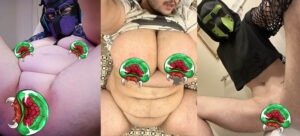
(artists, left to right: Bay Ryan, Clown Sniffer and Puppy Tyko)
Note: Animals, sexuality and poetry are very old ideas; i.e., whose Indigenous origins my friends and I have explored for years, during ludo-Gothic BDSM (e.g., furries and therians acting out a particular kind of Radcliffean banditti: the animal bandit tied to Indigenous, non-white and GNC parties, above). To it, slurs aren't activism (2025), and there's a thin line between compliment and slur/insult—one whose racial application, mid-abjection, furthers or reverses in animal language (often slang, puns and double entendres functioning as talismanic code); e.g., "fat" is a source of sin under Cartesian dualism/the Protestant ethic, but for animals is actually a sign of health that state powers pimp to blame, DARVO-and-obscurantism (and with imbricating persecution language—witches, goblins and vampires, but also their familiars and personas; re: "Idle Hands," 2024). Context matters, but one that stays dialectical-material regarding intersectional consciousness (of class, culture and race). To that, the porn industry is loaded with racial bias, for example; advocates/practitioners of sex workers play with "fire" (of the Promethean sort) through colors of stigma* but also morphologies in general—bodies and things tied to them as "non-white," denoting a morbid interest in reclaiming stolen power from our colonizers chattelizing us. Doing so demands paradox, the animal terror/counterterror device for state's rights (to exploit nature) vs worker rights using terrorism to discourage state harm (teamwork makes the dream work). For more instances of fat liberation, consider "White Moderates Don't Challenge Fascism" (2025) from my essay compendium, "Anti-Zionism (and Anti-Racism/Anti-White-Supremacy)" (2025); for a deeper look into animal poetics and activism under Gothic Communism (re: furries), read "Call of the Wild" (2025); for works covering tokenism (e.g., TERFs, race traitors, etc, which this essay mostly doesn't cover), read other essays from the same series, "Anarcho-Communism vs Marxist-Leninism (re: State Vampirism)." —Perse

(artist: Danny-Green; "Goblins, Anti-Semitism, and Monster-Fucking," 2025)
*E.g., orcs with their trademark green skin/racialized flavor haunting High-Fantasy refrains from Tolkien, onwards (re: "Concerning Big Black Dicks," ibid.). The idea, with dialogs of alienation and fetishization is to fuck with them; i.e., healing from rape by not just hugging the alien (2024) but fucking them/presenting them as gods in a pre-capitalist lens pushing towards total decriminalization, post-scarcity. This generally happens from different positions of alienation, the pauper and the prince or the lady and the tramp, etc: "Whether the lady and the tramp or the pauper and the prince (of any class, gender and race combination)—we all experience 'hell' differently insofar as it's both a positive and negative phenomenon," I write, in "The Wolf Is Loose" (2026); "i.e., one canon relegates theatrically to zones of unholy play that, camped by iconoclasts liberating all workers, concern harm but also fatal attraction/forbidden love as rebellion (re: 'I'll See You In Hell,' 2025)." Take what is criminal and use it to decriminalize sacred things—yourselves and your sexual labor through public nudism: tied cryptonymically to good praxis, mid-abjection.
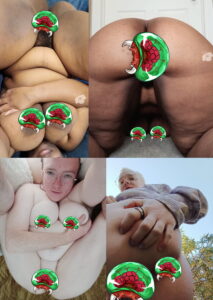
(artists, top and bottom: Mauve and Bay Ryan)
The Catalyst (feat. Bay)
Apart from the numerous genocides worldwide/the exploitation of the Global South (which many in the Global North ignore; e.g., the AIDs crisis in Africa), the events happening in Minneapolis and elsewhere (especially the Epstein files) have inspired much conversation—not just Bay's and mine (whose own catalyst [for this essay] we'll discuss, in just a moment), but other people with feet in both worlds. "We need to talk about things beyond binaries," says Elliot Sang Again, for example ("Bad Bunny and the tragedy of Latinidad," 2026). At the time, I responded:
In Gothic, we call this "grey area," which unto itself stems from conflict in ways that yield meaning and structure out from deeply chaotic forces; i.e., dialectically-materially, in Marxist terms, but also on a gradient that accounts for gender studies and struggles of race alongside intersections of class and culture. It's not enough to dismiss it for ostensibly inherent contradictions, but to work within paradox as yielding something that—however imperfect on its face—can still constitute a radical shift towards universal liberation. Rebellion is a highly messy thing (source YouTube community post, Persephone van der Waard: February 12th, 2026).
Gothic, the operation, concerns "chaos" made and played out, during ludo-Gothic BDSM. It's a way to organize our thoughts and actions during chaos—to calculate risk with the very things state powers abject and brutalize, workers pushing towards freedom from state models; i.e., mid-kayfabe and resurrection of ancient-world theatre, neo-medieval attitudes and concealed weaponry from both (e.g., Samus becoming Medusa/frog girl to "out dragon the dragon," below); re: "Gorgon" = "frog" as much as "Amazon," "jester" or "witch," when operatically reversing abjection (with Medusa being the poster girl for abjection), and borrowing such ideas (and vice characters) from Chaucer, Shakespeare and Swift, but also Indigenous/non-white authors, too: firing "lasers" out of whatever holes to get the ol' job done.

(exhibit 1 [from "X Marks the Spot," 2025]: My favorite moment from Metroid: Dread [2022]—one where Samus furthers abjection by policing the ghost of the counterfeit [the Numinous]. A former metroid hunter, she becomes the metroid to banish Raven Beak; i.e., "boundaries for me, not for thee" with a false guerilla flavor [re: on par with Aliens Ripley serving as CIA operative ...].)

"Danger disco," such things always feel somewhat absurd, hyperbolic, surreal, passionate, hilarious and badass; i.e., while farting in our enemy's general direction: "I am woman, here me roar" or "fuck me like an animal" echoing "thus swyved was this carpenteris wyf." The black mirror is a tie to life and death through the land, the body (and its functions); re: a memento mori, or reminder of one's mortality and destiny shared by all living things: "remember you, too, must die." It's what the Gorgon—beheaded by the state after being raped (re: "Medusa Misunderstood")—classically shows her abusers; i.e., the state having killed her for her own power over life and death as an ancient mother goddess (and which monomyth heroes exploit/abject to try and conquer death, but I digress).
That's essentially what tactical frivolity is—controlled chaos, a means of acting it out through ludo-Gothic BDSM (and various taboos) to achieve a desired result, namely liberation: showing our abusers what they don't want to see. "Rebellion is a group effort, composed of many different parts all of the same larger whole. No man is an island (nor woman, nor non-binary person); there's no superior group, all workers part of a larger struggle where those with more privilege help those with less be heard: punching up from common ground amid difference" (source YouTube community post, Persephone van der Waard: February 12th, 2026). "Freedom is a natural idea," but it nevertheless adheres to various social practices (and theories) workers pass down over time; i.e., of any combination you can think of, when trying to survive state vampirism; e.g., jesters and frog suits giving some degree of anonymity through revolutionary cryptonymy reversing abjection: ordinary workers investing in ways that prioritize guerrilla warfare and collective action (which tactical frivolity is). They do so versus fascism and its cults of death, heroically pimping nature (and those of it) while themselves being comically afraid of death/the enemy within: the gorging of them and their false bloodline alive (a parasitoidal, belly-of-the-beast concept I call "the Caterpillar and the Wasp" [2024]—one that, while dialectical-material under Gothic Communism, still borrows poetically from Alien [1979, below] and similar Numinous stowaways' concentric, cannibalistically Freudian yarns)!

(source: Derek Vanlint's "Alien and Its Photographic Challenges," 2017; cited: "Angry Mothers; or, Learning from Our Monstrous-Feminine Past," 2024)
The point, here, isn't to "win," because victory is fleeting. Rather, both sides perform power as fought over/with, swam in cryptonymic ways: frogs being little whores and warriors, constantly fighting over territory and mates (consent notably absent within nature). They're also silly as hell/completely adorable—the blob-like clowns of planet Earth, celebrated accordingly among human performers embracing their own animal side's silly and terrifying aspects (to hug the alien, ergo anything abject [alien-fetish] under the sun). "Sin" becomes "beauty" through the context of struggle: the "horseplay" of furry-like things, a given actor bringing home unknown guilty pleasures; i.e., of a Christian afterlife/nuclear model terrified of nature "set loose" (the fascist LARPer not dissimilar to Arthur's cowardly knights, from Monty Python). "Mere play" is the point, making those played by systemic forces "the dupe" under rebel action, sharing the stage; re: Gloggins—what Plato called "shadows," Swift "splendide mendax" and Milton "darkness visible," Sendak called "wild rumpus" (and which mise-en-abyme, translates reliably to different things—below). Nature is alien to the state, therefore terrifying in easy-to-ridicule ways (the Gorgon classically an avenger-castrator sapping her foes' strength "where power is," the peach fucking back against its carvers; re: "Nature Is Food").

(artist: Super Busty Art; cited: "Nature Is Food")
This brings us to the conversation had by Bay and I:

(source: Christie Thompson's "The ICE Protest Frogs Have a Long History of 'Tactical Frivolity' Behind Them," 2025).
Bay: Seeing a lot of tactical frivolity around the world at different protests recently. Guys dressing up as mimes and clowns and making fun of ICE agents, people dancing to fight the power, lmao. Genuinely I think it's an incredibly important aspect of direct action and protest—clandestine insurgent rebel clown army. I'm convinced the frogs started this wave of it, but tactical frivolity is an OLD kind of protest; queer people have always in recent history championed it especially in the West because queer joy is a fantastic way to deescalate and overwhelm people. It's why they [cops] hate it so much.
Me: Like a puppet show [with Plato's allegory of the cave classically using shadow puppets].
Bay: It creates a space that sits between total compliance and violent confrontation, and uses that to delegitimize the force they're standing against; i.e., showing absurdity makes authoritarian response look extra insane; e.g., police using riot gear against someone in a blow up dinosaur costume or a frog suit will never not appear unjust or cruel to the public. It makes the dividing line extra apparent: engage in our kayfabe, suspend your own disbelief and you will reveal the absurdity of their unironic reality [the Nazi Force-of-Will argument, following the leader into an early grave, death-before-dishonor].
The Frog Brigade are genuine champions of the movement; I saw one in ADELAIDE [cites the Marshall Project, above].
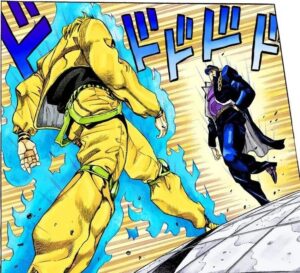
(artist: Hirohiko Araki)
Any play has heroes and villains; Jojo's villains (above) are generally cruel, for example, known for killing animals (especially dogs) to display their status as conquerors. This, again, happens through abjection; i.e., as something to confront upon ourselves in jester-like ways, and which different actors do differently (not just as frogs): something the state fears and needs from Medusa onwards, and which workers—abjected by capital—embody to suitably throw back in their faces all manner of state crimes (the endemic campiness of frogs allowing for cute distractions and Trojan, Aesopian "killer" elements, below). Let's unpack the basic idea a bit more, then consider a little-picture case with Mauve.
Unpacking Abjection

(source: "The Roots of Camp: Reclaiming Demon BDSM and Radcliffe's Tricky Tools," 2023)
Indeed, what is tactical frivolity? To know that, you need only look to the clowns of yore but also frogs of today revived from older "embryos" (and trade secrets, aka "mysteries") working through abjection; i.e., nature is abject/monstrous-feminine under state paradigms (and vampirism). So take your pick. Frogs or not, kayfabe is kayfabe, its camp stolen from the ancient world into ours. Work your magic as frogs and other animals do; i.e., all part of the same kingdom, one where cohabitators transform through camp, mid-Gothic, as much as actual metamorphosis—through humorous exchange (above), dialectical-material context, animal poetics and surrealism, as holistically conducive to a frog (or some-such animal's) stubborn survival, part of the time: competing forces, both natural and poetic, under manmade systems within nature. There's no "victory" to have, simply life and death in part of something that precedes and supersedes; i.e., those mad enough to try and cheat death by sucking nature dry.
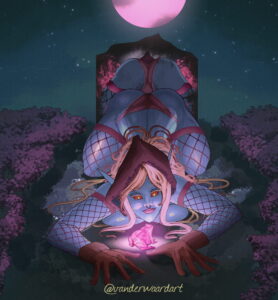
(artist: Persephone van der Waard)
Frogs are classically shapeshifters and witch's familiars (above). From Ovid to us, then, survival bucks state predation in the pond, at-first-you-don't-succeed. In turn, shapeshifting = survival, which takes a variety of forms as bred for war and disguise (a fixture of war)—some sillier than others, yes, but all spawned, frog-like, from the same Imperium and its language pimping nature out from state models "cheating death": sex and force serving worker needs; i.e., of "all our yesterdays," trapped in time. Time is a circle, the truth of the Gorgon (the original victim and avenger of state pimps) waiting for seekers of wisdom forbidden and found, mise-en-abyme (the Gothic chronotope [time-space] classically a castle or castle-like thing hyphenating this-or-that, below).

(source: "Prey as Liberators by Camping Prey-like BDSM," 2024)
To that—and sticking with my emphasis on liberating sex work from state predation (re: "Anarcho-Communism vs Marxist-Leninism (re: State Vampirism)")—whores are the imprimatur of clowns; re: whore = clown, as I frame them, and jesters (frogs or no) classically enjoy privilege; i.e., critiquing the king and the king's men in the king's court, mid-abjection: often animalized, wearing Aesopian masks and leotards while concealing hidden combat experience upon ourselves, Amazon-style[2]. Like the Amazon, such conflicts are as old as democracy (or frogs)—the contrast (and battle) they invite, mid-Amazonomachia, a cat-and-dog (or cops-and-frogs) spectacle that Monty Python only borrowed from older times: "That rabbit's dynamite!" Change the rabbit to a frog (a move tabletop gamers call "polymorph") and combat is combat, however silly or cute it appears:

(source: "Angry Mothers")
Furthermore, such slogans reliably marry workers to a neo-medieval revival—of the world more broadly to morphological hyphenations of architecture, siege warfare, food, natural landmarks, and Chaucer-grade animal puns (and butts, below). A game attitude makes all the difference, with ludo-Gothic BDSM; i.e., all the world's a stage, one replete with Trojan animals of all walks but especially "Numinous" (fearsome) ones that chase and give chase back: "Primarily the Gothic novels arose out of a quest for the numinous [emphasis, me]. They are characterized by an awestruck apprehension of Divine immanence penetrating diurnal reality. This sense of the numinous is an almost archetypal impulse inherited from primitive magic. The Gothic quest was not merely after horror—a simple succession of ghastly incidents could have satisfied that yearning—but after otherworldly gratification" (source: Devendra Varma's The Gothic Flame, 1923; cited: "On Amazons, Good and Bad, part one: Always a Victim (feat. Medusa)," 2025). Medusa fucks back through her avatars, de facto or otherwise: swamp rabbits, comfortable in the water (and home to the froggy witches who live there, below).

(artist: Nya Blu; cited: "Preface Conclusion; or, Caught the Middle: A Cryptonymy Reprise and Witchcraft Refrain" from "The Wolf Is Loose")
Same idea with frogs, and with clowns more broadly reversing abjection, ergo state vampirism, Amazon-style (or any monstrous-feminine but I digress); i.e., "land, labor and sex back" using our bodies as vectors/sites of reclamation; re: ass war having the whore's revenge: "to break the profit [and productivity] motive by making a world for which it (and rape) are no longer possible using these methods; i.e., by using the same demonic and slutty language capital does, but at cross purposes: to hug the alien—not demonize it to receive state violence—thereby (ex)changing how the world is seen to begin with" (source: "Rape Reprise"). So unpaid labor embodies the land as something to reclaim, being of it/nature as monstrous-feminine; i.e., during the Promethean Quest, Mary Shelley onwards:
the Promethean Quest (re: Frankenstein)
The Promethean Quest stems from Mary Shelley's seminal Frankenstein; or, the Modern Prometheus (1818—although I've explored it extensively in different media forms, besides; e.g., Metroidvania and Amazonomachia, below). In Shelley's famous novel (essentially a Gothic merger of fantasy and science to create science fiction with Marxist* elements), the titular (and self-titled) "hero," Victor Frankenstein, quests disastrously for Numinous power using mad science: to essentially enact Cartesian dualism in small by stealing fire of the gods "from the source" (thereby feeding vampirically on nature while pimping it; re: as monstrous-feminine; see: "Making Demons," 2025). A framed narrative that starts from a seemingly non-monstrous perspective, Shelley's dialog is one of two-way revenge, mid-abjection; i.e., the more Victor talks, the worse he sounds compared to his victims. I further define/categorize Shelley's quest as follows:
*Published the year Marx was born, beating him (and so many other men) to the punch.
the Promethean Quest [as Shelley writes it] critiques the Cartesian (mis)treatment of nature—indeed, the entire globe—as "already dead," owned and used by the elite; i.e., like clay to aggrandize the current ordering of things come home to roost. As such, its reckoning effectively concerns the canonical theft of power from the imaginary past, therefore Gorgon as trapped in Cartesian duality" [...] However tremendously mysterious these abstractions feel, they denote equally planetary degrees of material force under Cartesian thought; i.e., specifically tokenized launderings of the Promethean Quest "pimping the Gorgon"; re (from the Undead Module):
the dialectic of shelter and the alien enacted canonically through people (men of reason) and places (castles, including Metroidvania) to punch Medusa [...] That's what the Promethean Quest effectively encapsulates and discourages, Medusa fucking back to reverse the flow of power and information the monomyth normally supplies in outright parental language, but also monomythic media exposed to middle-class children at a young age (source: "'She Fucks Back'; or, Revisiting The Modern Prometheus through Astronoetics," 2024).
Sex = home, one the former relegates to under universally harmful models (re: Foucault—again, what Patel and Moore call "a 16th century ecology" or "Great Domestication"); i.e., that workers can camp, but not automatically (source: "Power in Gothic: the Promethean Quest and Cartesian Thought" from "Nancy Drew Syndrome," 2025).
Like anything else, then the Promethean Quest has a pro-state and pro-worker function—with pro-labor variants having the whore's revenge, reviving the Gorgon during ludo-Gothic BDSM; re: chasing a Communist/palliative Numinous during the Promethean Quest: by stealing "fire of the gods" back from the elite, ultimately situating it among ourselves/ourselves among its dark transformative power (aka darkness visible, Milton's Paradise Lost [1667] having inspired Shelley's work a great deal). To this, Shelley's ideas rank among the most important in Gothic fiction and literary criticism, but also art and protest (of state vampirism) more broadly. Refer to "Celebrating Mary Shelley's Immortal Legacy" (2025) for all my work concerning the Promethean Quest.
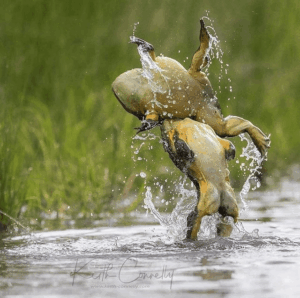
(artist: Keith Connelly)
"Fire of the gods" = "the power of creation" as fought over—routinely stolen from positions of godhood (alienation) that are, themselves, entirely unclear but nonetheless animal in origin. Replete in dialogs of creation-as-policed, Shelley's work remains a vital staging point/missing link to nature; i.e., insofar as it—like the frog squeezing its mate through amplexus (or its natural competition among the species, above)—yields up murky, at-times-submerged truths about the human condition: of our animals status that state engines/contradictions demonize to pimp out, monopolizing monsters through abject paradigms. The key to challenging elite hegemony hides in Medusa's domain; i.e., the natural world, including frogs as a small-but-vital-role in a larger ecosystem, and one for which life and death are merely two sides of the same coin: Athena/the Gorgon as "Mother Earth," mise-en-abyme. They seem cute (and fat, lacking ribs to hold their organs in); in truth, they're being warlike in ways workers can learn from. "Let nature be your teacher," as Wordsworth might say (with me learning from the British Romantics but also my partners, past and present; re: Bay being an ecologist from New Zealand, and Jadis being a notably chonky Florida entomologist—who also loved frogs, gators and bugs, and showed me a great many of these during my stay[5]).
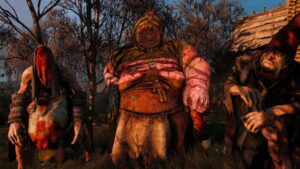
The same goes for humans and their Gothic poetry's assorted, anthropomorphic arguments: tied to the land-as-terrorist, and fearful/fascinating per Numinous models concerning reunion and theft, back and forth; i.e., nature as abject, criminal, weak/strong vermin—hunted without mercy by state actors (frogs or otherwise; e.g., The Witcher 3's [2015] witches of the wood, the Gorgons aka the Fates coming in threes for the token, cop-like hero to kill, above). As I've previously explained, in "Nancy Drew Syndrome" (2025):
the Promethean Quest critiques the Cartesian (mis)treatment of nature—indeed, the entire globe—as "already dead," owned and used by the elite; i.e., like clay to aggrandize the current ordering of things come home to roost. As such, its reckoning effectively concerns the canonical theft of power from the imaginary past, therefore Gorgon as trapped in Cartesian duality (and male versions of the whore; e.g., Skeletor and his own traveling vampire castle, several images back); i.e., to further profit mid-abjection/during different social syndromes, their reversals burning the militarily optimistic for said theft; re: the whore's revenge breaking Capitalist Realism per monstrous-feminine refrain [...] Such things historically "map out" on the body as castle-like, but also the territories routinely invaded (to move money through nature as monstrous-feminine/a "sassy peach" to endlessly carve up; re: "Nature Is Food"). It's a runway and holiday—one to time the usual grim harvests with, and where we reclaim such things "on the Aegis"; re (from Volume One's "Challenging the State's Manufactured Consent and Stupidity (with Vampires; feat. Cuwu)," 2024):

(exhibit 11b1b: Artist, right: Nya Blu. We all have skulls inside us. According to the Gothic tradition inside the Imperial Core, inheritance anxiety historically-materially communicates internalized trauma as suggested within workers but expressed according to their surface-level appearance in the material world; i.e., who, regardless of their origins, will be judged and consumed based how they appear relative to a cultural understanding of the imaginary past as something to constantly look at, vis-à-vis Segewick's "Imagery of the Surface" [1980]...)
In this sense, "Gorgon" is something to chase but also embody to Numinous extremes that start small; e.g., like a frog in a swamp that a witch also calls home; re: "Gorgon" = "frog" as much as "jester" or "witch," when reversing abjection. "Clown" = "terrorist." Whatever form the disruptor chooses, their doing so breaks monopolies on sex, drugs, and rock 'n roll, ergo tactical frivolity in all manner of dualistic performances: a "castle" in the flesh its own kind of vampire (a notably sexual being—one prone to both undead and demonic vectors [of feeding and transformation] per morphology—a "Gothic," alien home-as-fortress, the demon toad-in-question threatening to devour its bellicose prey alive, below). Such things always go both ways—anisotropically and apotropaically per the abjection process, and one commonly framing live burial through food-as-debate: whatever's "on the menu" a tenuous, cannibal proposition under manufactured scarcity (which capital essentially is). What's a frog to do but leap?

(source: "Persephone's Silksong Symposium," 2025)
We whores, as Shakespeare might put it, "can add colours to the chameleon, Change shapes with Proteus for advantages, And set the murderous Machiavel to school" (source: Henry VI, 1592). We must because capital affords us little else—no exit, save through the labyrinth-in-question, good actors and bad sharing the same stages, pimps-and-whores; re: the aforementioned "pond" (and scum, above) a "breeding ground" for salaciously salubrious ideas. So does sedition often conceal itself as "mere play." Like frogs, then, clowns are categorically abject—their own frivolity diminished as worthless in fair-weather days, but turned paradoxically to as truth-giving comfort food, "eating the frog" come crisis time; i.e., whores are vice characters with a paradoxical terror/counterterror element; e.g., persons of color serving a whore-like role, allegorically upending state predation upon themselves as frog-like: a Jacob's Ladder to climb for the chaos of a never-ending struggle, one waged by workers through things viewed as performance indicating Numinous, inaccessible realms (which Communism—always far off—nonetheless haunts what, when and wherever through "spectres" of itself; re: "frogs" [of a clownish, Gorgon sort] assigning new meaning to old things with whore-like cryptonymy and ritual hypnosis, below).

(source: "Persephone's Silksong Symposium," 2025)
Gothic has always been playful, ludo-Gothic BDSM striving for power's perennial (re)organization; i.e., as a chaotic relationship, "we are merely players" sighed between actors and the world stage they find themselves in/upon—to strut and fret to varying degrees of frivolity or lack thereof:
Tomorrow, and tomorrow, and tomorrow,
Creeps in this petty pace from day to day,
To the last syllable of recorded time;
And all our yesterdays have lighted fools
The way to dusty death. Out, out, brief candle!
Life's but a walking shadow, a poor player,
That struts and frets his hour upon the stage,
And then is heard no more. It is a tale
Told by an idiot, full of sound and fury,
Signifying nothing (source: Macbeth, 1623).

(source: exhibit 1a1a1c1, from "Thesis Body," 2023)
Forget Juliet's "happy dagger"; chasing his own hallucinations, Macbeth saw nature as alien. Thus he felt shackled—to a stolen throne, a patriarchal system of theft—as the home/castle that ate him alive. And like Banquo's weird sisters—taunting the usurper with visions of death (omens)—the same black mirror becomes one we witches today hold up to tyrants; i.e., reminding them, as "Roman fools," how fucked they really are: "Does the line stretch on to the Crack of Doom?" Punching frogs, fascists deny similar positions on the food chain. They want (for) jesters, without which they grow Byronically blind to their own madness, peril, hubris, etc. You can't kill the Gorgon; and when the Man comes around, show him your Aegis! Man fears death, written all over the world he tries without fail to endlessly rule. "All at once, the revenge fantasy of Pax Americana kayfabe is the source of the class traitor's greatest strength/treasure as false/on loan, an Achilles Heel whose 'dagger of the mind' puts them to sleep" (ibid.).

(source; cited: "Follow the Sign: Thesis Conclusion, or 'Death by Snu-Snu,'" 2023)
To control chaos is to organize chaos, the making playable of which grants some measure of frivolity over the proceedings: a tactical performance whose mighty power cops (and their masters) can't monopolize. In short, there's always a new position or "frog" to consider/embody "on the Aegis," which brings us to Mauve as our latest entry (and upon their own buffers*). Here comes a new challenger!

(artist: Mauve)
*Re: "Introducing Revolutionary Cryptonymy" and "Transgressive Nudism": workers are shielded behind the canvas, the phone screen, the polaroid, etc, but also themes of those things they embody and communicate, show/conceal, in mirror-like ways. To look on them is to see something that—while it doesn't immediately resemble a frog or jester—embodies cryptonymically a similar function, mid-abjection: the surface of the image and its thresholds, imbued with abject themes reclaimed from state powers for worker use; e.g., torture, live burial, refuse, etc, as haunting the venue (and performer/audience to difference degrees). The reversal or decay of mastery—already a common Gothic trope (the middle class "clutching pearls," fearful of and fascinated with ghosts of the counterfeit)—is the purview of the Gorgon; i.e., a tortured, paradoxical Leveler of powerful revenge, and one whose steady myopia, destroyer persona, tremendous obscurity and frenzied inertia, but also disorder and gravity under state harm, collectively fuel, energize, and mobilize radical change:
Under Capitalist Realism, something is "dark" if it ostensibly moves anything of value (re: power and knowledge) away from the status quo. Generally this darkness is associated with the vengeful imaginary past based on buried historical atrocities, the latter paradoxically twisted by the former to keep control right where it is (among the elite). Anything that challenges this paradigm is canonically framed as dark, evil, profligate; i.e., nature as vengeful whore, which capital takes revenge on through DARVO-style police violence/obscurantism, witch hunts, tokenism and moral panic; e.g., Medusa and her Aegis' forbidden sight (source: "Demons: From Composites and the Occult to Totems and the Natural World," 2024).
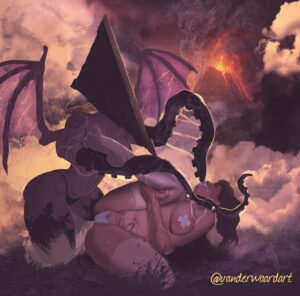
(model and artist: Mikki Storm and Persephone van der Waard)
It's also "black" in hauntological ways—with Enlightenment racism tangled up, through the Neo-Gothic (and post-fascism) with Renaissance media evoked by black bodies, smaller-to-bigger attached to palliative-Numinous symbols and excitement (e.g., from Pyramid Head to smaller demons of some-such "Dante-esque" Hell, above and below):

(source: True Myth Media, 2018)
Before the Enlightenment, Late Medieval stories and media from the Gothic/Renaissance period featured less persons of color because access to actual persons with dark or non-white skin was historically less common, thus more exotic (though it did happen; a pure-white medieval period is a fascist myth); as such, the pre-fascist destroyer persona was coded as black in relation to the "non-European" as Jewish, Germanic, or the broader "Eastern" (white-skinned: from Italy to Romania to Russia; non-white groups: China, the Middle East and Africa). Until the Enlightenment period began and started to orchestrate widespread settler colonialism (and modern nation-state formation), race-based slavery largely didn't exist; so the biases were less about skin color and more about general ethnicity and religion; e.g., evil Italian counts, but also Jewish people as go-to scapegoats for the Romans and the Christians. Then and now, these devils were seen as threats to the heteronormative order of things; i.e., returning to nature, to hell and chaos. As such, the devil became something that actively corrupts the youth and women as always running off with them into the night (source: "Pieces of the Camp Map," 2023).

(artist: Romantic Rose; cited: "I'll See You in Hell")
I digress. Two (or more) things can be true at once, and the Gothic—while conventional—is holistic through a graveyard approach; i.e., of dead conventions from Walpole onwards, taken from the imaginary past and played with while reifying power anew. Viewers see and respond to uncanny (ambiguous) things by assigning different qualities/meanings to them—death and theft, yes, but also power as something to steal back from bourgeois takers, all-the-while. Size is generally seen as "non-white," even if the skin isn't brown or black (e.g., Romantic Rose, above). The whore's revenge embodies the Gorgon anyways, whose Numinous energies transform mid-cryptonymy the involved parties through unequal exchange and dark desire, but also trauma and feeding via demonic and undead modularities; i.e., tied to animal expression's poetics reminders—meaning a human condition as sinful flesh-and-blood, thus "of nature" in ways Cartesian dualism abjects to toxifying extremes (often framing non-white but also fat, hairy and/or strong bodies as forever hungry and sinful, cannibalistic, lusty and savage, etc; re: "Toxic Schlock Syndrome," 2025). Reversing that happens upon ourselves, reclaiming such things "on the Aegis." This incorporates a kind of reverse "scarecrow tactic," revolutionary cryptonymy showing the state what it paradoxically needs but also hates and fears; i.e., through frivolity they cannot effectively control or police, the much-touted "end of the world" a Black Veil to raise under Capitalist Realism: "To ask for capitalism to pay for care [and sex work/nature] is to call for an end to capitalism[6]" (source: A History of the World in Seven Cheap Things). Whenever the exploited begin to speak, the ensuing apocalypse invariably includes the skulls of dead whores [unpaid labor] speaking through living ones trapped in tissue; i.e., in suitably "violent," terrifying and morphological ways—a vanishing point to confuse and overwhelm our foes (monopolizing monstrous-feminine language to chattelize nature), and all communicating among ourselves, Prometheus-style:
To it, asymmetrical warfare is paramount/our only recourse, when staring down false flags; i.e., dialectically-materially reversing abjection (us versus them/alienation and fetishization) to bounce ours abusers' weaponry back at them. Namely psychological warfare, but really any kind of war—class, culture and race tying first to each other and then to monopolies of violence, terror and bodily expression (re: Weber, Asprey and me; see: "The State: Its Key Tools" from "Paratextual Documents"[4])—we're all "Gorgons to behead." They want us to fight so they can kill us, but really are itching to kill people, devil-may-care. Peace is never an option because fascism is built on slavery and genocide through systemic inequality. We might seem fucked. And yet, fascists are also giant pussies who hate/fear everything in sight. This means that pre-/mid-/post-decapitation, we become a vital means of poetically reminding our attackers: how mortal, venal and frankly cruel and stupid they truly are (their true colors)! Despite all their armor, money and weapons, fascists are cowards scared of their own shadows/the shadows of their own crimes (source: "The Wolf Is Loose").

(artist: Kassarie Draws; cited: "Amazons as Whores" from "Cops and Victims, part one: the Riddle of Steel; or, Confronting Past Wrongs," 2025)
"Shadow," in this case, speaks to Plato's simulacrum, or likeness; i.e., as something to embody at cross purposes—with Mauve and her work joining with mine to break state monopolies, "on the Aegis"; e.g., animal metaphors and BDSM language, during ludo-Gothic BDSM as reversing abjection through revolutionary cryptonymy (and a confused, mingling heritage of witchcraft having those "of the West" combining through intermarriage with visibly foreign/exotic elements, above). Confusingly exposed, their paradoxical, trademark nudity is suitably armor- and weapon-like—meaning for Amazons and Gorgon's having the whore's revenge within cryptonymy. So the "brickhouse" whorehouse architect—a Satanic rebel, armed with Milton-grade pandemonium—happily turns nuclear home upside-down and inside-out; re: as shadowy reminders of state abuse, one whose continued presence haunts worker revenge fantasies that, themselves, smuggle seditiously sensitive information through code: a cryptomimicry† of "corruption" but data all the same, confessing to any who see, "Better to rule in Hell than serve in Heaven." The idea is one of war-as-temptation; i.e., Medusa was a pirate, a hefty disruptor purveying under state harvest her own forbidden-fruit flesh to kickstart the elite's class nightmare: a right to bear arms and rise up against them. So do Matilda's "beauteous orbs" perform "witchcraft," baiting rulers who already operate—as Lewis describes, in The Monk—through endless artifice/concentric illusion (and fakeries; re: me vis-à-vis Hogle: "The Western world is generally a place that testifies to its own traumas by fabricating them"; source: "Healing from Rape"). An "orchard" of rancor and discord, Medusa smashes that, but also isn't above Trojan-style stealth when terrifying her prey within stations meant to give security and privilege; i.e., behind every evil monk waits a canvas, upon which a false Madonna/fatal portrait prepares to strike from the replica, mise-en-abyme! "Whore" = "assassin," a femme forte and fatale with "phallic" flavors embodying unrest/the masses rousing to fleece kings (and skin them alive). Sometimes, though, the temptation/concealed weapon is more naked, the deceiver skipping the foreplay outright: nude frivolity.
†Referring to Jodey Castricano's Cryptomimesis: The Gothic and Jacques Derrida's Ghost Writing (2001): "A writing practice that, like certain Gothic conventions [...] draws attention to a writing predicated upon encryption: the play of revelation and concealment lodged within parts of individual words" (source). The same goes for any media form, including public nudism.
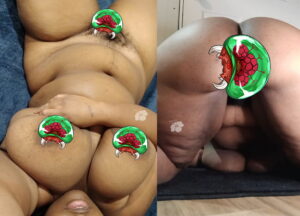
(artist: Mauve)
Here Comes a New Challenger (feat. Mauve)
Note: This part of the essay tackles racism from a white woman's perspective; i.e., while regarding—and poetically appreciating—non-white labor as part of a larger feminist struggle; re: the universal, intersectional liberation of sex work, mid-abjection. Doing so, here, presents a variety of educational hurdles, mid-frivolity. While poetic, the ensuring comparisons—namely the giving of animal and building metaphors to a non-white body by a white academic—demand caution and care to safely use (as all BDSM and fetish gear do; e.g., Mauve's body and mask, above, and body with the face hidden and nudity censored in bikini-like ways, below). Context matters, of course, and I work with a variety of non-white models all the time. Even so, while poetry and critical thought remain tremendously useful while critiquing racism, they and their poetic language shackle hauntologically to larger material forces. It's not enough, then, for the white body to simply regress to a Chaucer-esque or Renaissance mode of comparing women to animals (white or otherwise); i.e., "all other things being equal," which state models vampirically extort to deny workers their rights in racist ways.
Instead—and while interrogating said forces through black bodies—ludo-Gothic BDSM requires sensitivity from the critic; i.e., insofar as interrogating racism requires poetry to sublimate, thus broach taboo aspects of state abuse released "from captivity." In turn, these touchy subjects—namely the comparing of marginalized people to animals, thus things treated as state-owned, a priori—demand the metaphor's deliberate comparison of two unlike things; i.e., to get at different points, subverting racism from different positions (and modules) of privilege/oppression, but also performer/director/audience, etc. In this case, I invigilate Mauve as part of an exhibit on racism; i.e., one couched in a larger dialog on tactical frivolity (and frogs, clowns, Amazons and Gorgons) told through sex workers' Gothic poetics, which themselves explore taboo things to subvert canonical norms and stereotypes with dead metaphors; re: racism. So while I present Mauve's work "as is," I analyze it dialectically-materially through a conversational Gothic lens/destroyer aesthetic (one admittedly haunted by state vaudeville and abuse as normally expressed in unironic "chattel" language; re: furthering abjection, which racism does).
Furthermore, my doing so deliberately weds Gothic theory to Indigenous perspectives (re: Bay's); i.e., to better subvert the goal said comparisons, by state powers, historically enforce. So I utilize Mauve's art (and "stacked" physique) to reverse abjection through the day-to-day concerns that workers—but especially sex workers and their modularities, vis-à-vis the natural world they're compared to—poetically convey and engage: a, pardon the expression, "black mirror" to speak to shared-if-uneven goals (with Rod Sterling's original Twilight Zone [1959] made in response to/collaboration with the Civil Rights Movement[3]). This means while talking about our own status as animals, doing so without dehumanizing ourselves and our friends (and our idiosyncratic ratios of privilege/oppression); i.e., in relation to nature (a thing to compare ourselves to while relating imperfectly back and forth). They become, however haunted and loaded with trauma, things to paradoxically celebrate as diffuse, meaning different things all-at-once: the Satanic rebel (re: of the Miltonic sort) trapped forever between positions of salvation and sin by state powers, and whose fetishization (to make into an object of power) reclaims anisotropically by unpaid labor to flow towards workers upon themselves. —Perse

(artist: Mauve)
So does fear of the "gay frogs" comport a similar vibe to fears of a black planet—of unruly "chattel" under state models of domination, a rebel hairy and wild punching up from case to case (with Mauve again being the latest model offering their wonderful wares to a larger project). Flow determines function, any "Gorgon-in-small" embodying nature-as-monstrous-feminine; i.e., normally relegated to ghettos, gutters and plantations, etc, as punching up "from the swamp," the frog metaphor useful to workers for its amphibious nature (and camouflage): one that speaks out, through struggle, with "one foot in both worlds" (under Cartesian dualism's pimping of nature; re: thinking beings vs extended beings). Clowns are uncanny as such, the "froggy" flavor denoting home as occupied or invaded by nature's "stowaways"; i.e., those relegated to outsider status while inside (the dungeon, the basement, the attic, etc). And here, so does a given debutante/princess of the underworld speak to different things, all at once—the prince or masculine avenger force/appetite as something to be, versus "kissing toads" a command to follow in pursuit of a submissive role under patriarchal hegemons: interrogating racism, fatphobia and whorephobia through the poetry of consumption; i.e., of sex-as-food thus bodies cryptonymically administering sex-as-weapon, accordingly. "You are what you eat," food an oculus—one to see through the Gorgon's intuitive/trademark confusion of the senses, poetically yielding fresh dialectical-material clarity amid chaos: "The eye of man hath not heard," wrote the Bard; "the ear of man hath not seen, man's hand is not able to taste, his tongue to conceive, nor his heart to report what my dream was" (see: and the Poetry Module and the Demon Module to further unpack this idea; re: "A Song Written in Decay" and "'Follow the White-to-Black Rabbit'; or Magic, Drugs and Acid Communism," 2024 and 2025).
"
(artist: Mauve)
Context matters, telling someone to kiss (or eat) your ass frivolously arbitrating through play reifying power's many forms; i.e., "infinite power, infinite forms" through our own camp tied to our land, labor and psychosexual poetry (re: "Interrogating Power through Your Own Camp," 2023). Whereas power is something to exchange in a variety of ways, "Gothic" concerns Numinous power as accordingly unequal, fetish and alien; i.e., within a variety of taboos, bigotries, stigmas, and fears, camping rape onstage and off through hyphenations of sex and force (re: "Scouting the Field," 2023); e.g., "storm my castle, motherfucker!" Few things are chattelized/controlled more than women's bodies—especially queer women of color—which demands a degree of subversive creativity to upend such models, during ludo-Gothic BDSM. Different things are suitably consumed, but also obeyed through alternating positions of advantage/disadvantage; i.e., at "temples" bred/made for worship, upending nuclear models while savoring every bite. So do power and weakness, as Gothic historically portrays/plays with, paradoxically subvert whatever workers wish; i.e., whatever they want, need, fancy during rebellion's various demands; re: embodying "Gorgon" as a kind of dark clown, whore, frog all-in-one to worship, mise-en-abyme as "the total package" (which means different things depending on the player involved—with Mauve being black and bi, versus a white queer sex worker exploring the same intersections of class, culture and race, mid-Gothic). To change perceptions of food, ergo workers treated like food, mid-harvest (often "forbidden fruit" with racial characteristics; e.g., peaches, below), you must first control the means; i.e., the "marketplace" of a localized poetry for others to indulge, all according to whatever boundaries the owner installs: "look but don't touch," appreciating one's power as off-limits to would-be pimps. The exposure is a challenge, one speaking out through those who react in a variety of ways:

(artist: Mauve)
To it, Gothic is inherently iconoclastic, as are its various "castles in the flesh" hyphenating sex and force to Numinous degrees—its Communist varieties death incarnate as, to some degree, personal and subjective; i.e., in a larger system of differences, the subsequent alienation and fetishization, mid-abjection, affording individual expression per case: something to worship at and savor—in spite of canonical dogmas, normalizing unironic harm towards such divinities versus playing with darkness for anything other than assigned punishment and sin. Under a Protestant ethic, beauty and persecution are one-in-the-same. Lucky for us, "all deities reside in the human breast"; re: as Blake would argue, his "Heaven in a Wildflower" classically a marriage to hellish forces bearing out Miltonic potential—to be, as I put it, knowingly "of the Devil's party" (see: "'Heaven in a Wild Flower'; or, Exhibiting the Monstrous-Feminine Ourselves," 2024).

(artist: Mauve)
So do workers camp harm; i.e., while chasing the alien in/outside themselves, doing so through paradoxical exposure: to "danger" as something to calculate risk with, during ludo-Gothic BDSM; re: behind the usual buffers, on our bodies as suitably fetishized in ways we seek to control, mid-entropy. Poetry-in-motion, workers illustrate mutual consent through dialogs of cultural appreciation, descriptive sexuality and public nudism: so-called "thunder thighs," not unlike a frogs' means of motion/where it stores its power to move us accordingly (above). So is sex for sale much like a mercenary's weapons, but often as things to behold: navigating paradox while reifying power through shared values and language, self-determining through what others might try and control (thus take). Nudity is both a show of force/defiance and proud, frivolous celebration of where one is and came from—a dark carnival/resurrection heading into the future out from a reimagined, circular past (the Wisdom of the Ancients, the Ancestors). We are not something to blame, whatever "end of the world" the state views through us (re: chaos/radical change) something to welcome with open arms while freezing capital solid: from the front and the back, "Stare and tremble!"

(artist, Mauve: left and right)
I digress; there's always another castle and/or animal metaphor to make—more frivolity to enact when breaking old icons to make something vital, new and gigantic; i.e., while punching up from abject battle stations, fishing for this or that (which frogs essentially do, catching flies on lily pads versus with honey or shit). The point, here, is morphology plays out in the flesh: by speaking tactically to larger inequalities, which workers relate to differently through shared struggle. "In the same boat," their personal alienation occurs through abjection as reversible. In turn, Gothic wish fulfillment cloaks commands; i.e., cryptonymically in the feudal language of power and place: a given "fortress" embodying time and space—as "planet" to conquer in state eyes, but which rebellious forces reverse the flow of power "on the Aegis." In keeping with nature-as-fetish during ludo-Gothic BDSM, whores = anything the state wants to pimp thus feed on, and whose subsequent terror we can bounce froggily back at them; re: "Not only can terror be employed as a weapon, but any weapon can become a weapon of terror: terror is a weapon, a weapon is terror, and no one agency monopolizes it" (source: Robert Asprey's War in the Shadows, 1975).
Here, frogs are to nature what clowns are to people, and clowns are ninjas, in this respect—shadow warriors spying for generations, and who communicate in "shadows" (re: darkness visible) and open camp, but also conceal from their prey various actions (and "weaponry") in naked disguise; e.g., kayfabe, bad puns, and neo-medieval hyphenations, but also trashy "pulp media" such as comic books or videogames (frowned upon/colonized by reactionaries, similar to porn, BDSM and Gothic novels). All capture something semi-hidden and wrestling back and forth; i.e., dialectically-materially under state influence (whose subsequent "fog of war" furthers the us-versus-them qualities abjection employs, on and offstage).
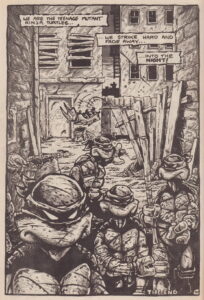
(artist: Kevin Eastman and Peter Laird)
Here, the whore and pimp share the same stage, the former's revolutionary cryptonymy and transgressive nudism selectively marking public readership through ambiguous threat displays—ones to navigate through alias and mask as alter-ego, the crime fighter versus the cop anisotropically in flexible terror/counterterror dialogs (couched in the "slumming" fantasy of assimilation for one side, and the reality of alienation for the other); re: the cryptonymy process furthering or reversing abjection in some-such swamp or sewer (a site[7] of the Numinous, one whose calculated risk plays out during ludo-Gothic BDSM through generational strife, turf war and gang-based conflict; e.g., the Teenage Mutant Ninja Turtles [1984, above] operating like frogs, as such). All hinge on the clown-in-question as a walking weapon... or a witch's familiar as frogs are: picked up while waking and used for various guerrilla aims (captivating little buggers). Great and small, all promote an ongoing exchange—one whose anthropomorphic "lingo" catalogs the struggle, inequality pushing towards better conditions for all (with human models more aware of the struggle than actual frogs/animal mascots are; re: Mauve and I, but others also anchored to the natural world we collectively defend, below). In short, we're all frogs in our own way—soft, squish, and alienized (of any color, not just green):
(exhibit 0: Artist, top-far-left: Sinead Rhiannon; top-left: Nerdy Nami; top-right: Puppy Bat; top-far-right: Angel Witch; bottom-left: Alliesha Bay [alongside emiboz and source]; bottom-right: Jael. The Gorgon, as whore seeking revenge through liberation, is a fat-and-hairy source of envy among the ruling class pimping nature; i.e., monstrous-feminine idols [of any race or gender] showing the human condition as abject; re: inherently "of nature" as such, and ones reclaiming our various tissues—our terrifying [to the elite] skin, hair, meat, fat, and bodily functions—by fetishizing ourselves in reverse-gargoyle, alien acts of criminal, terrifying reclamation, "profaning the church" in duality. The state hates what they feed on; re: workers/nature, which we deny our pimps/shame them behind the usual cryptonymic buffers, mid-abjection. To control the mirror is to control the body upon its canvas, thus direct state toxicity away from us and towards our enemies. Like the chimera, we combine this-or-that to confuse and overwhelm our prey—reversing predator/prey through abject mechanisms of fear and fascination, of power and death, of worship in and from "the devil's workshop" having Amazonian/Gorgon-esque qualities [as terror weapons tied to the land, under colonial models; e.g., Amazons and anal sex; re: "Our Sweet Revenge," 2025]:

[source: Amanda Nicole's "Pretty and Petty," 2023; cited: "Amazons as Whores"]
We do so through fakery but also descriptive sexuality and cultural appreciation, Medusa the ghost of the counterfeit as both invented and evocation of rape: as a buried, sex-object reality under Western hegemons; re: the original slave/rape victim [unpaid labor] under the world's oldest profession, therefore struggle: pimps and whores. To breathe life into that is to weaken the West's hold on life, thus hasten its demise from sites of exploitation during the Promethean Quest enacting the whore's revenge through ludo-Gothic BDSM [namely the camera lens, but also the bedroom taken to the street in a variety of awesome personas "ruling in Hell." Power is something to "flash," mid-fetish, during public nudism as cryptonymic and transgressive, thus abject; rebellion is liminal, the Gorgon [and her ass war] "trapped in glass.")
We've looked at Mauve as an individual, little-picture example reclaiming such things; i.e., stemming from nature, ourselves, illustrating mutual consent through shared labor exchanges (emphasizing Gothic poetry and sex work). To relate to all creatures, great-and-small under capital/the Capitalocene—thus be better stewards of nature vs state vampirism on a macro scale—let's put tactical frivolity to practice, worldwide! The planet's our disco, on whose ball (the backside of the Archaic Mother) workers spread a vision fatal to capital (easy to gaslight, under Capitalist Realism)! "All glory to the Hypnotoad!"
"It Ain't Easy Bein' Green": Putting Tactical Frivolity to Practice

(artist: Master DCJ; cited: "Our Sweet Revenge")
Frogs or otherwise, tactical frivolity reverses abjection during ludo-Gothic BDSM as something to appear and witness "in turmoil/combat" (e.g., the aesthetic of orcs—reclaiming "savage" signifiers and Indigenous elements, above); i.e., by inviting a playful attitude when solving puzzles (which capital is, under Socialism). Any puzzle can be solved with the right mindset, application, and work; re: ninjas "playing war" as sold classically to young boys; e.g., Ninja Gaiden (1987) might seem impossible to beginners (or the TMNT arcade games, for that matter), but is merely a puzzle for players to solve as time goes on (Slakanater's "Why Ninja Gaiden 6-2 Ends So Many Runs (And How It Really Works)," 2026): "If you want to interrogate power, you must go where it is" (source: "Interrogating Power through Your Own Camp," 2023). It's not "peaceful"; it wars, fought over by rival parties: workers and the state, using any aesthetic (and its elevated/sunken connotations) to move power towards themselves, mid-Amazonomachia (re: any monster, not just Amazons). The trash is code for "power" as something routinely played with (see: footnotes).
Same idea with sex work and liberating it through iconoclastic art, during Gothic Communism. Under ludo-Gothic BDSM, paradoxical exposure affords those accustomed to vulnerable nudity a precious advantage "where power is" by reifying it in opposition; i.e., one had over state actors, who hypocritically feed behind ostensibly opaque veneers (and thinking themselves untouchable). Harming nature for profit, Nazis are also clowns; they're just not very funny—the kind who might just as soon kick a frog as hold it. And by adopting the language of frogs being silly and clownish warriors, we stewards of nature can spoil fascist fun in the bargain; i.e., by reminding them they not only suck, but suck "the big one" (specifically regarding sex as something to police in ways that make them bad at sex and social connection; e.g., "like a pair of exhausted, sexually inept rabbits," as the Onion might put it). Comedy cuts both ways, our own delight raining on fascist parades, joy-under-fascism (2025): "her tits were there," dammit, and the emperor has no clothes (whose undressing they fear much more than whores do, the latter accustomed to weaponized states of undress).
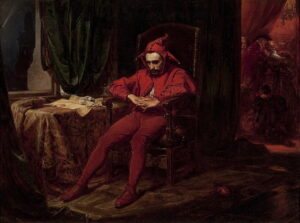
(artist: Jan Matejko)
To that, state actors are paradoxically "bashful," begging forgiveness from master when made to look like fools. To that (and bringing tactics into it), those treated like clowns by state powers in cops-and-robbers dialogs, often appear as powerless and threatening punching bags ("strong and weak," in Eco's words)—meaning to and by the state to abuse minus jester privilige; i.e., while using the same language to pimp akin to frogs: as stigma animals to seek and destroy while furthering abjection in childish ways. Yet it also performs a double operation, one where things that seem silly also yield a hidden revolutionary function, mid-cryptonymy. It becomes a discussion but also topic of discussion, mid-praxis reversing abjection by "dissecting frogs"; re: as Bay and I discussed, yesterday (and which inspired me writing this piece, to begin with). It's very David-vs-Goliath, but also hilarious in ways that inspire revolutionary optimism through hidden teeth and surprise attack: to make something so painful and embarrassing* that the would-be conquerors—their pride mortally wounded—lose all will to fight; re: abjection goes both ways, nature having plenty of teeth and claws to work with (with African bullfrogs actually having teeth, below). Losing to children or things treated like children/mechanical and dumb by the state, under Cartesian dualism, is a common vector for abjection's life-and-death reversal, "on the hip." "Sex" = "death," insofar as state powers (cops) will police sex to the death, and which makes them easy to camp mid-frivolity by us.
*E.g., sticking dildos to ICE vehicles. In doing so, protestors force these prudes into proximity with sex-as-abject: to touch and remove sex toys from themselves/the area while hilariously being filmed for posterity by protestors (TYTSport's "ICE Agents Left SPEECHLESS by Community's Creativity," 2026). Agents of camp—a live-performative means for workers to discuss "rape" in quotes, combining sex with war—expose the puritanical and traitorous in reverse: as crying "rape" when forced to engage with sex at all, compromising the pimp's ability to convince anyone of danger when "under attack" by the very thing they see as insulting (essentially by "toilet plunger" arrows, the dildos having section cups on their bases that workers improvise; i.e., into makeshift comedy weapons, their ensuing hilarity outing ICE as imposturous loser virgins: licking the boot without shame while tilting at windmills/punching down for tradwives [or husbands, for token women] "at the end of the rainbow"). Betrayal is betrayal, and it should be shamed accordingly—constantly and by any means at worker disposal! "Fuck ICE," indeed; making Nazis miserable should be a treat, a joy—a story to tell one's children and grandchildren, to make them laugh!
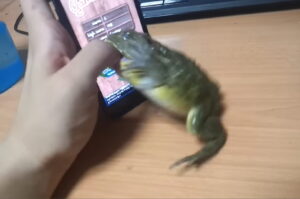
(번식왕 홍덕표's "African Bull Frog ant crusher," 2011)
Such gallows humor isn't exactly new. Neither are clowns, kings or court dialogs, when camping canonical norms (which, again, often involve animalized poetics [frogs or otherwise] but also things with animalistic "superpowers" that translate comically and/or sexily to labor action, above and below). Instead, Gothic is liminal, dualistic, holistic; cops and victims share the same spaces, bodies and language, intersecting abjection-and-cryptonymy to incorporate a wide variety of things. In turn, the actual frogs—a classic "thermostat" species to read the room with, but also the globe—are not only harmless, regarding state-hurled accusations, but incredibly important animals able to expose those humorless destroyers who intend harm in bad faith: outing the slasher through violence, reversing as the state's chosen role versus nature. Again, the state hates and fears sex, which takes endless forms workers can play with to camp state powers to death: by showcasing the naked reality so many women (or those treated like women) experience; e.g., that all women are "whores waiting to happen," which some abandon in pursuit of forbidden knowledge/unknown pleasures: the Gorgon in small a sexual guerrilla/ninja working through open stealth (rude and polite at the same time, having multiple sides [alter egos/secret identities] moonlighting virgin/whore; re: the whore's paradox; see: "Rape Reprise").

(artist: Vera Dominus)
To it, those in harmony with nature are "frivolous like the frog"; they challenge the state in opposition, year-round, and generally from scapegoat positions of distress, hysteria (or whatever it's called; e.g., Wandering Womb, bicycle face, etc) and disadvantage during calculated risk: a campy subversion of the usual dynamics of sex, terror and violence, during ludo-Gothic BDSM framing women (or those treated as women) paradoxically as virgin/whore monsters—all to give the colonized some sense of control, therefore advantage during the usual paradoxical exposure "hugging the alien," mid-Amazonomachia. Matter shapes consciousness, whatever bugbears the Protestant ethic rarefies an extension of the usual abject contradictions; i.e., the sex is forbidden to the point of death/urban legend (e.g., Pillowpants from Clerks 2, 2006), but also who you have it with and where (outside the bedroom) as demanding postpunk, "danger disco" forms of false protest that conceal the fun being had: "My precious modesty! I'm totally being ravished, right now!" Proximity with "evil" = rape/death tied to puritanical modesty arguments scared to death of sex, which capital pimps out through legends of itself: a cautionary tale about interracial sex and intermarriage, one that Gothic historically plays with; re: swamp bunnies (or frog ladies), symbiotically "cozy" alongside those who seem scary but actually protect someone small and prey-like from harm (of any social-material configuration versus nuclear-home-as-false; re: the pauper and the prince, the lady and the tramp).

(artist: Soli; cited: "Our Sweet Revenge")
I digress. Power and its familiar/foreign arrangement takes many forms, the Gothic heroine "loving the demon" from Radcliffe to us (re: Cynthia Wolff, 1979). "Her tits were there" marries bizarrely to "kissing frogs" to counteract state ideas about sex—namely that sex for anything other than sexual reproductive "is gay," whorish, dark, abject (and which Gothic authors [novelists or otherwise] captivate a broader imagination through captive and rape fantasies, during courtly love as forbidden love—one where kept women mysteriously fantasize being with "dangerous/supernatural" people versus their so-called "protectors," at home; re: "I'll See You in Hell"). So is monster-fucking a common act of tactical frivolity under capital's harvests (and one I've illustrated too many times to count; e.g., Cuwu and Jericho, below); i.e., disguised as "holidays" (masking the naturalized, orderly butchery of the planet under Cartesian dualism, worldwide). To that, Friday the 13th (when the writing process for "Frogs Gay!" began) is just another day for camping the canon, thus unmasking slashers (classically bandits posturing as undead to rob the locals blind; re: Radcliffe): as part of a larger cycle, wearing some-such Halloween costume to both cryptonymically buttress, buffer and broadcast whatever workers need, mid-masque:
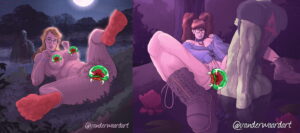
(exhibit 1: Model and artist, left: Cuwu and Persephone van der Waard; right: Jericho and Persephone van der Waard.)
Whatever works, monsters a classic, liminal means of code to spread the word as clowns do, ergo whores of any costume their heart desires (frogs a Frankenstein green to chimerically purport upon ourselves, turning stigma, envy, humiliation and shame, etc, into power): nature as food punching back/up, refusing to obey "on the Aegis" but occupying positions where obedience is expected/demanded by state powers (men kicking dogs also squashing toads). So much of power is unspoken, instead conveyed allegorically through Gothic abstraction-as-code; i.e., to a preferential, performative degree: everyone loves the whore because the whore is central—to the nuclear model as something to uphold or undermine, cryptonymy-and-abjection, on the same stages, bodies and costumes "where power is"; e.g., the undead, yes, but also demons
This occurs through playing with power-as-knowledge-exchange insofar as demons represent it through darkness as an aesthetic; i.e., expressed through ludo-Gothic BDSM. Something of an Unholy Trinity that turns capital on its head (usually expressed as upside-down; e.g., the crucifix), power, darkness and knowledge—often as conspicuous, ritualized acts of creation/poetry and (re)invention through magic/mad science—go hand-in-hand during unequal, forbidden exchange, radical transformation and dark desire/wish fulfillment (source: "Demons: From Composites and the Occult to Totems and the Natural World," 2024).
and, by extension, the natural world; i.e., as something the state invades, and which workers (female or not) resist through the dialectic of the alien (abjection), mid-invasion: "Gothic considers the preface that alien invasion is already complete, something to be resisted within the home as alien, impostor, infiltrator. The process goes both ways, sharing a larger space of concealment, confusion and disorder" (source YouTube community post, Persephone van der Waard: February 12th, 2026, in response to Andrewsim's "How to Resist an Alien Invasion," 2026). Whores write among nature as already colonized, thus demonized in ways workers reject or reclaim, "on the Aegis" as categorically denied to marginalized peoples by status-quo ones; i.e., whores silenced by pimps within a larger hegemon, one where victims of rape raise their own circus-in-a-circus: to paradoxically "blow the whistle" when throttled, cryptonymically/-mimetically passing on realities' unspoken horrors (the frivolity of rape play often solemn, below).
(source: "Healing from Rape")
To quote Austen: "Men have had every advantage of us in telling their own story. Education has been theirs in so much higher a degree; the pen has been in their hands. I will not allow books to prove anything" (source: Persuasion, 1817). Follow that up with Said's Culture and Imperialism (1993), itself going back and forth in a larger dialog I responded to, in a larger spectral, collocative chain (which Communism essentially is, before and after Marx):
Even with Said debating Austen's "ghost" minus Gothic poetics, there's considerable merit to arguing with spectres and the unspoken (re: Castricano's cryptomimesis, or "writing with ghosts," which I expanded to "writing with monsters"). Indeed, doing so is a time-honored activity that largely makes up what the Gothic is. And while Said's dialogs are certainly not without weight, they're also nearly two centuries further along than Austen's. To that, it's certainly true there's a complete lack of urgency in Austen's novel surrounding any kind of modern importance that Said assigns to postcolonial concerns. These would have been absent in Austen's time, with her focusing entirely on the struggles of a rising class of property that was quickly becoming a class of people in a slave-owning society through a particular novelistic convention: white women inside the novel of manners. It shouldn't really be surprising that she kept mum on certain topics; e.g., her pointedly roundabout and indirect conversation between Eleanor Dashwood and Colonel Brandon showcasing how neither can bring themselves to utter the word "duel" in polite company. But if her stories are any clue, she was profoundly apt at navigating the expanding-if-sequestered place of white women in an incredibly material world, and not without a considerable degree of irony ("It is a truth universally acknowledged…") and dialectical-material analysis behind a veil that all women in her time were expected to wear by tone-policing white men; furthermore, as we have already explored in Volume Zero, Austen certainly wasn't above critiquing the open, if deliberately moderate, bigotries of Ann Radcliffe's own Gothic Orientalism (the further east you go, the darker it gets) when writing Northanger Abbey (written in 1803, published in 1817 after Austen's death) (source: "Cornholing the Corn Lady—Ghostbusters: Afterlife and Empire," 2024).
In other words, Austen wrote under surveillance. So do all whores (with all women being whores under state power)—cleverly disguising their monstrous-feminine, palliative-Numinous power as paradoxically naked while playing with it; i.e., as they're accustomed to, in the Shadow of Pygmalion (thus learning how to use it in their favor): Medusa, Pandora, and Galatea, etc, magically "set free" to "conquer" Earth by taking it back upon themselves (veiled or not, below).
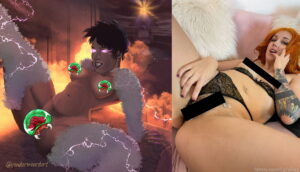
(exhibit 19c [ibid.]: model and artist: Cara Day and Persephone van der Waard. Gothic canon invokes the monstrous-feminine to fetishize and annihilate it. It is within this complex space that sex-positive implementations of the same hysterical poetics [and famous monsters] must come to light. Gozer isn't just a bad girl to spank, and Cara isn't just a piece of ass. There's sex-positive power in what they can subvert and express while turning a buck.)
All of this is to say that exploitation and liberation are liminal, quantum, intersectional—with "non-white" bodies expressing an animal/sinful, sex-drugs-and-rock-'n-roll character (re: "wild rumpus") beyond skin color, one meant to pimp out/tokenize all women-as-witches (therefore nature as monstrous-feminine, female or not): gaslight, gatekeep girlboss by "the men who run the show." "Double agent" leaps to mind, the dialectic of rebellion had among frivolously alien things state pimps can never fully tame, and which the relationship (with power-as-forbidden) irresistibly goes both ways:

(artist: SGT Madness; cited: "We Are Legion: So Many Monsters, So Little Time," 2024)
"So many monsters, so little time," then, becomes a constant, tactical means of counter-surveillance and worker action—a buffet thereof to "feast one's eyes" versus state invasion-as-structure; re:
Even if those in the present fall into the state of exception, targeted for termination inside state-manufactured prisons by old ghouls like the American establishment (the mother territory) and her allies, we should not be silent as they siphon all life from the land and its peoples, places and ecosystems; the elite and their supporters need to be exposed for what they are: the Great Destroyers of our age, the ultimate threat to all life on the planet purely to enrich the smallest number of persons they can. In line with today being Friday the 13th, think of the elite (and nation-states) as the undying slasher that both never seems to die but is always in decay. [...] They will destroy the Global South and then set their sights (and mercenaries) on the Global North (which is already a police state rife with fascism) as the Imperial Boomerang sails home (source: "Justice for Palestine," 2023).
To that, cops are vampires for the state, whose structural feeding depends on furthering abjection during us-versus-them alien-fetish contradictions, mid-infiltration; i.e., profit and productivity's ceaseless demands for an eternal foe (classically a whore under pimp/prostitute models)—to first dress up, then scapegoat with impunity in defense of nuclear home (the whorehouse being the dreaded anti-home to terrify consumers with, out from ancient times). But such things can never be monopolized, power a performance to play had in mounting frivolity on all registers/perspectives, side-by-side (often through the silliness of combat, hyphenating war and sex, life and death during ludo-Gothic BDSM—below). Again, everyone loves the whore, the clown, the avenger. This includes frogs, if only because they draw so much attention and fire: to themselves in whorish, clown-like ways that actual whores-as-actors(-and-spies) embody in frog-like ways (or goblins, below). Such is tactical frivolity as capital decays, dream girls and demon lovers "fucking to metal." The show, as they say, must go on.

(artist: Noaqin; cited: "Goblins, Anti-Semitism, and Monster-Fucking")
In turn, feeders on "frogs" can ingest poison, for example (which green also indicates, above)—doing so through a larger relationship had between predator and prey reversing roles; i.e., as acted out among friends and enemies, mid-abjection to speak to larger dialectical-material forces: when "the future refused to change," another name for (rain) frog "potato fairy" and faeries (such as they are) speak to revolution/revelation (the ensuing reckoning thereof tethered, force-of-nature, to sites of endless death seeking life; e.g., Lavos, below). Code isn't just for concealment, then, but a preferred means per liminality. Here, Amazons and frogs actually go together quite well—a given marriage thereof getting to the bottom of yet-another-Radcliffean-mystery to "solve" (through force), and one whose Black Veil capital raises, pirate-flag-style, in times of crisis: a scapegoat or pirate other than Radcliffe's usual suspects (the elite), which they author for the kids to kill instead! Power abstracts, but also aggregates; i.e., in ways workers must familiarize themselves with—doing so through holistic study before turning back on the colonizer their own infernal bag of tricks: "[r]eturning and reflecting upon old points after assembling them is a powerful way to understand larger structures and patterns (especially if they're designed to conceal themselves through subterfuge, valor and force). It's what holistic study (the foundation of this book) is all about" (source: "Shining a Light on Things," 2023).

(cited: "'I'll See You in Hell': Dark Faeries and Demon Mommies," 2025)
Think of things in ecological terms, akin to a Trojan animal or Aesopian fable (the former engineered by Athena, aka the Gorgon as Creed argues and one that, originally a rape victim, becomes a survivor-avenger to humanize and infiltrate the state before castrating it; re: me vis-à-vis Elizabeth Hadley; see: "Medusa Misunderstood" and "Always a Victim," 2025). Employed by the state, working-class traitors redeploy as cuckoos—an invasive species to routinely prey upon local "wildlife" by imitating them. In punching clowns to try and look tough, however, cops fail to convince anyone; they instead appear stupid, cruel and ridiculous, suitably unable to blend in or dominate anyone despite being capable of great lies and harm; e.g., Border Patrol targeting Marimar Martinez in bad faith, the usual Nazi goons "crying wolf in sheep's clothing"; i.e., paradoxically as predators acting like prey in ways that clowns and their frivolity historically expose: in ways that people—as animals—categorically recognize and respond to, "in kind" (e.g., the Maori haka, below).

(exhibit 2: Source: top, bottom. The haka isn't just for football matches; it's a weapon, specifically an Indigenous tool of protest; i.e., Indigenous forms alongside Western ones on colonized land, calling for land back [therefore labor and bodies back] in so many ways that avoid white saviors, Indians and moderacy ["peace is a white man's word"]. You see similar hyphenations in Japanese kabuki, Western theatre/court jesters, Irish folktales, etc: the jester's privilege but also frog-like wares abjecting capital's "curse" back onto itself. "This is our land, Pākehā!" and you don't kill home rule with kindness; you terrify it.)
To that, a woman preyed upon is tragic but a frog preyed upon is ridiculous, breaking the spell like poison; i.e., it's hard to ask people to ignore their eyes and ears—by worshipping state power as sacrosanct/divine—when state thugs, good and bad, are getting mad at guys in frog suits, but also shooting women in ways that "frogs" prevent. It's bait, tactical frivolity's ensuing kayfabe showcasing state vampirism; i.e., in the worst possible light while reducing harm. We're busy looking cool (or adorable, below) while they look awkward as fuck. So do rebel amphibians gain the upper hand, reminding Nazis they're expendable, too; i.e., "on the hip," showcasing state sovereignty and "superiority" as mythical, false, absurd-in-practice: "You're not a 'mighty lion,' dude; you're a frog like us." Black mirrors, remember (or green, but I digress)?

(artist: Grayson Bell's "Baptism of the Unwilling Convert," 2025)
To conclude, humans are animals, thus subject to the same basic laws—namely that predators can't hunt if they're exposed. And there's so many different ways to do so—with frogs and tactical frivolity (alongside various whores/clowns) being capital's silver bullet; re: reversing abjection during ludo-Gothic BDSM. Is it silly and cute in the same breath? Sure, but paradox is par for course when courting iconoclasm. Let it communicate your needs to get your point across, the larger struggle surviving through performance but also contrast "in small." Such things endure, and have endured, because they were/are useful: "A myth of gothic ancestry did not simply mean bad history. Those who perpetuated the myth obeyed a stronger call than that of accuracy to historical evidence. The ancestry in question was a product of fantasy to serve specific political purposes. Established as popular belief, the idea of gothic ancestry offered a way of revising the features of the past in order to satisfy the imaginative needs of the present" (source: "The Useful Myth of Gothic Ancestry," 1979). Same goes for frogs, clowns, whores, et al, as tactical frivolity. "Wild rumpus" = "rebellion-in-disguise," one whose good-faith execution (of terror/counterterror) the Gorgon defends land, labor and bodies: from state actors forever seeking to invade (and often through token examples, below).

(source: "Persephone's Silksong Symposium")
Footnotes
[1] Different neologisms from my work (from "Paratextual Documents"):
Gothic (gay-anarcho) Communism (abridged)
Coined by me, Gothic (gay-anarcho) Communism is the deliberate, pointed critique of capital/Capitalism and the state using a unique marriage of Gothic/queer/game theory and semi-Marxist (an-Com) ideas synthesized campily by sex-positive workers during proletarian praxis: developing systemic catharsis, mid-liminal expression during praxial opposition, breaking Capitalist Realism to reverse abjection using ludo-Gothic BDSM and palliative-Numinous dialogs (e.g., Metroidvania). Exploitation and liberation exist and occur in the same half-real shadow zone, on and offstage. Designed to transform neoliberal Capitalism's centrist monomyth refrains (thus fascism and Marxist Leninism also abusing nature as monstrous-feminine), our ironic performances (of staged "exploitation" in quotes) happen by camping the canon, and do so to playfully and flexibly liberate workers and nature; i.e., through emotionally/Gothically intelligent and class, culturally and racially aware sex-positive labor (and monsters). Reclaiming these dualistic poetic devices happens in pursuit of universal liberation (no Omelas); i.e., during holistic, intersectional solidarity as punching up poetically at the state and its standard/token proponents.
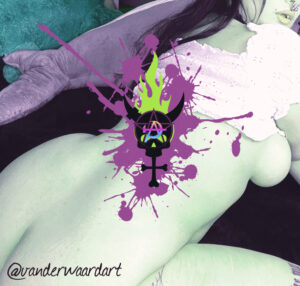
(model and artist: Blxxd Bunny and Persephone van der Waard)
ludo-Gothic BDSM (rape play)
My 2023 combining of an older academic term, "ludic-Gothic" (Gothic videogames), with sex-positive BDSM theatrics as a potent means of camp—specifically rape play by placing "rape" in quotes, mid-Gothic (where rape [and playing with it] is ubiquitous). The emphasis is less about "how can videogames be Gothic" and more how the playfulness in videogames is commonly used to allow players to camp canon in and out of videogames as a form of negotiated power exchange established in playful, game-like forms (theatre and rules). Commonly gleaned through Metroidvania as I envision it, but frankly performed with any kind of Gothic poetics, ludo-Gothic BDSM playfully attains what I call "the palliative Numinous," or the Gothic quest for self-destructive power as something to camp (the Numinous, per Rudolph Otto, being a divine force or numen tied less to the natural world [the Sublime] and more to civilization as derelict, dead and alien; re: the mysterium tremendum): a Communist Numinous/the Medusa per Barbara Creed, but not tokenized (re: the Amazon) while dancing with Hogle's ghost of the counterfeit to reverse abjection (thus profit) and shrink the state!
For further information on ludo-Gothic BDSM and its rape play elements, refer to my new webpage cataloging the subject and its history/extended definition(s), everything coined and synthesized by me. —Perse
intersectional consciousness
A new term I coined, one meant to combat various forms of reductionism (class, culture and race); i.e., by building on Marx' notion of class consciousness: combining class with culture and race consciousness (awareness) to raise emotional/Gothic intelligence while synthesizing praxis. Generally synthesis occurs by illustrating mutual consent during informed labor exchanges; re: "At a presentation level, Gothic Communism reduces to one central goal: illustrating mutual consent as an educational device—i.e., one that makes rape of the alien impossible on a cultural level; but doing so requires humanizing the alien through iconoclastic engagement with dogma as something to break (and along with it, Capitalist Realism)" (source: "Brace for Impact: Some Prep When Hugging the Alien," 2024). I would summarize intersectional consciousness inside "Preface: Gothic (gay-anarcho) Communism; or, Synthesizing Emotional/Gothic Intelligence through a Sex-Positive Gothic Mode" (2024); re:
Synthesis is vital to good praxis. For our purposes, synthesis can be adequately summarized as "the cultivation of emotional/Gothic intelligence and class/cultural/racial awareness; i.e., the deliberate utilization of Gothic poetics during the practical application of simplified theory had between activist workers: formulating healthy social-sexual habits to deal with state trauma." But there's still plenty of theory that goes into these habits and their collective instruction/de facto education during ludo-Gothic BDSM. To that, Gothic Communism is "picky" in terms of what it incorporates (source).
I would extrapolate on this idea in "The Basics of Oppositional Synthesis" (2024). However, I wouldn't specifically call this notion "intersectional consciousness" until "Is Metal Racist? Yes, It Is; or, a Trans Woman Critiquing Heavy Metal Philosophy's Good-Faith Response to Andrew Lee" (2025)—months after my book series had concluded (re: on June 1st, 2025)!
Gothic maturity
A new term I coined, specifically the ability to say healthy things through taboo language during ludo-Gothic BDSM; i.e., while pushing for intersectional solidarity and consciousness, developing Gothic Communism (thus universal liberation) through various creative successes that collectively overcome praxial inertia, division, dormancy and betrayal.
ass war
A new term I coined, one that stresses the liberation of sex work through revolutionary struggle; i.e., hugging the whore as alien/seeking revenge through unity illustrating mutual consent with other abjected workers:
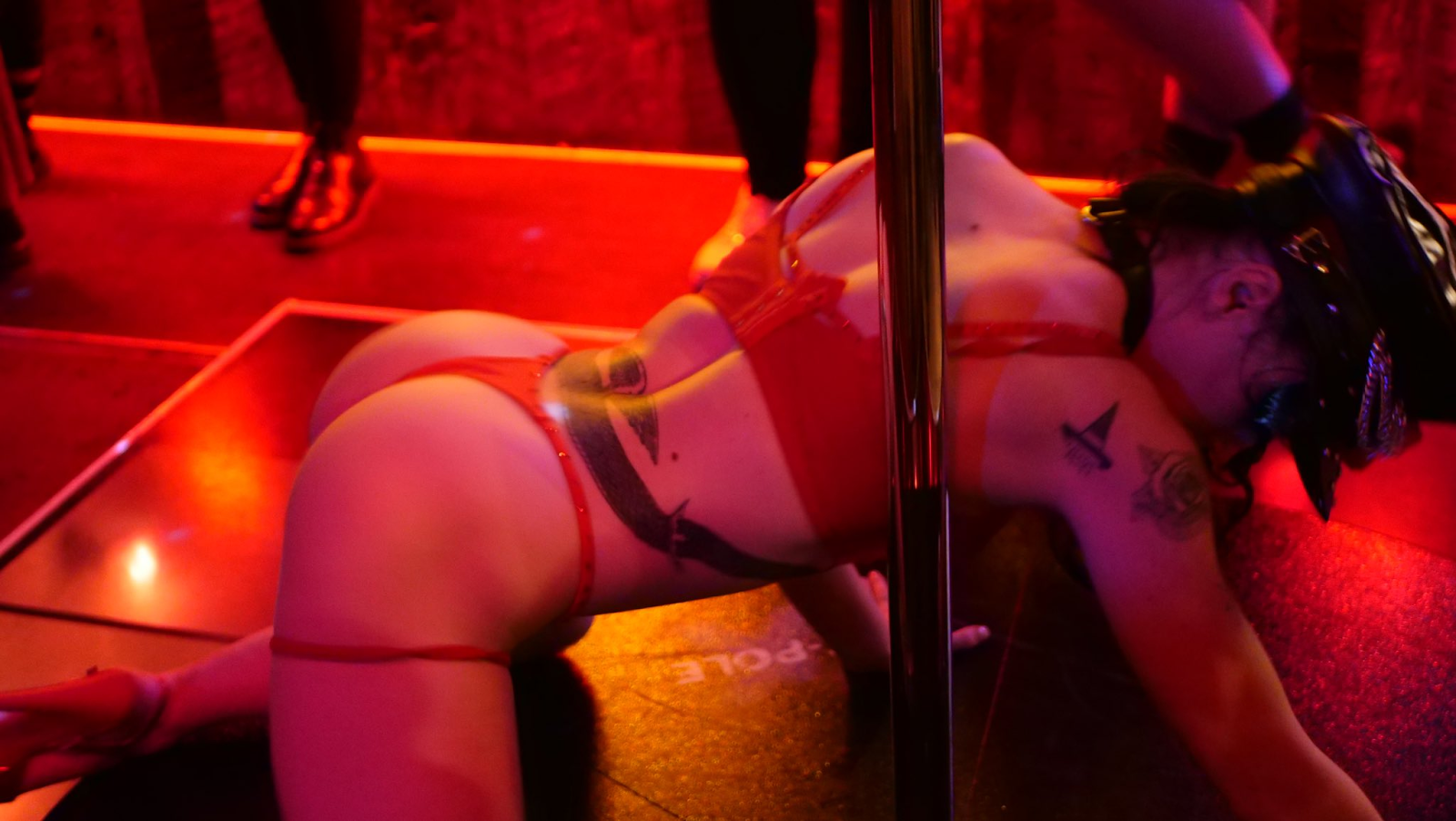
(artist: Fired Up Stilettos; cited: "Paid Labor," 2024)
First, sex work as revolutionary action, namely the prevention of rape through public nudism advertising labor struggles, housing disputes, reports of sexual abuse, and so on. In times of monsters, whores are monsters to reverse abjection with, thus are what cops/those acting like cops (traitors, including token traitors) to further abjection will police to varying degrees: scapegoating the whore as the initial and ultimate victim to blame for capital's woes. To that, class war is ass war, "on the Aegis"; i.e., class war via sex work (with intersections of culture and race), the whore's revenge occurring by raising emotional/Gothic intelligence and awareness to reduce rape on a societal level (re: intersectional consciousness during said revenge) (source: "Concerning Sex Work as Revolutionary Action (re: Ludo-Gothic BDSM)" from "The Wolf Is Loose").
By extension, "The whore's revenge against profit, then, is to fuck back on the same Aegis; i.e., when the Man comes around, show him your Aegis [...] Medusa demonstrates there is power in what they try to control; take it back by using it in ways they can't steal from you! Become the Gorgon!" (source: "Abstract" for "My Book: Gothic Communism").
the whore's revenge
A new term I coined, one regarding unpaid labor—primarily sex work's—reversal of abjection through revolutionary dialogs (and Gothic counterculture) to challenge state vampirism using ludo-Gothic BDSM:
Per Marx and myself, Capitalism alienates and sexualizes everything. Nature is monstrous-feminine as such, "empowerment" applying to any aspect of our life, bodies, violence and terror the state wishes to monopolize/control, and any trope, convention, cliché or fetish that might be used to degrade, humiliate, rape or otherwise demonize/dominate beings "of nature" per capital's qualities (re: settler-colonial, heteronormative and Cartesian); i.e., that we can reclaim during ludo-Gothic BDSM [...]
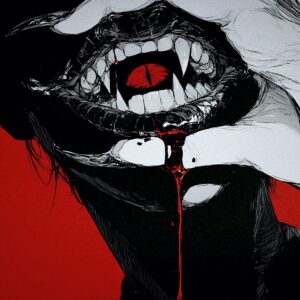
(artist: ALT3R4TI0N)
To do so is to break capital's hold on all things demons, darkness and nature they stole and monopolized, in turn smashing their own abjection against them and breaking Capitalist Realism with our Aegis—to deny capital's dead labor and language feeding on living labor and language according to what power and knowledge we exchange to and fro. The whore's revenge is to break the profit [and productivity] motive by making a world for which it (and rape) are no longer possible using these methods; i.e., by using the same demonic and slutty language capital does, but at cross purposes: to hug the alien—not demonize it to receive state violence—thereby (ex)changing how the world is seen to begin with (source: "Rape Reprise," 2024).
[2] With British suffragettes highlighting predators disguised as prey in admittedly comical ways (English Martial Art's "Jiu-Jitsu vs Police: The Suffragette Bodyguard," 2026), their guerilla "turning of the tables" haunted by police brutality and spectres of rape:
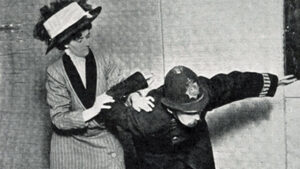
The Garruds trained under jujutsu instructors Sadakazu Uyenishi and Yukio Tani. When Uyenishi returned to Japan, the couple took over his dojo in Golden Square, London and it became the headquarters for WSPU… /As well as a place of training, the school was used to protect Suffragettes (members of the WSPU and the Women's Freedom League) when they took part in breaking windows, offering them an alibi and reportedly hiding their hammers under jujutsu exercise mats.
Edith and William started to teach Suffragettes jujutsu to protect themselves against hecklers who often ran onstage at their meetings, but protecting themselves was also necessary because of the police’s rough handling of the WSPU members at rallies and protests. On the 18th of November 1910, in what has been deemed "Black Friday," 300 women were met with violence and groping by police and men opposing them at a protest, with two actually being killed (source: The Artful Historian's "Fighting For Their Rights: The Suffragette Bodyguards," 2024).
Nature is often funny and serious, all-at-once. Such theatre, per ludo-Gothic BDSM, welcomes contrast and animal theatre (re: "Prey as Liberators," 2024); i.e., while speaking to my own extensive research on Amazons, as a whole:

[artist: Mika Dawn 3D]
the lineage stretches backwards and forwards hauntologically through post-Renaissance revivals. For one, there's the pre-fascist, Neo-Gothic "phallic women-in-black" such as Victoria de Loredani, and the Victorian "madwoman in the attic," Bertha Mason; the post-Victorian, hatpin-stabbing suffragettes of the early 20th century [e.g., Leoti Baker]; the comic book/action hero treatment starting with William Marsden's bondage-themed Wonder Woman in the 1940s [or Rosie the Riveter] followed by the feral, bikini-wearing sexpots of the 1960s and 1970s [Coffy], as well Ripley and similar "female Rambos" of the 1980s [a neoliberal response to the "final girl" trope of the slasher genre]; various catsuit regressions—sexy spies, detectives, doctors, and BDSM-tinged femme fatales—in the '90s, 2000s and 2010s; then, an increasingly queer presence regarding the rise of trans, intersex, non-binary and other forms of queer discourse online. If the 20th century constitutes the continuation of first wave, second wave and third wave feminism, then fourth wave feminism's rise has seen a regression towards the older forms using the same language in oppositional praxis (source: "Symposium: Aftercare; What Is the Gothic?" 2023).
Such things are "danger disco," a trashy-yet-Numinous pursuit of power as something to perceive and perform; i.e., during ludo-Gothic BDSM camping the canon. There's power in such things, the state grabbing what we (and our language) are, and we grabbing back/punching up, in kind (refer to my PhD, Volume Zero, to explore all of these ideas in exhaustive detail/at great length):

(artist: Ken Kelly)
[3] Emphasizing social awareness, aka "being woke," Make That Magic explains.
[4] For further clarity on these points, refer to "The State: Its Key Tools" from "Paratextual Documents":
In service to the profit motive, the state requires the ability to defend itself through absolute means; i.e., us-versus-them dogma, cops-and-victims propaganda (re: copaganda), and terrorist/counterterrorist arrangements of privilege, authority and status/class flowing power towards the state. This basically happens by antagonizing nature as monstrous-feminine and putting it to work as cheaply as possible; i.e., to move money through nature, thus reify and maintain capital until the end of time. Often, this movement is guided by revenge in dualistic opposition; i.e., the whore has their revenge by thwarting profit through their bodies, artwork and labor anisotropically moving power, money and information away from the state and towards workers (by reversing terror/counterterror, thus abjection). The state, by comparison, accomplishes the movement known as "capital" using three basic things: the state trifectas, monopolies and qualities of capital policing nature as monstrous-feminine. [...]

(artist: jazminskyyy)
These ideas first introduce in Volumes Zero and One (and expand in Volume Two; e.g., "the whore's revenge" coming from the Demon Module), but are so ubiquitous that I feel you should have access to their basic definitions regardless of which book volume you're reading. I'll list, then define them:
-
- the monopolies: of violence, terror and morphological expression (monsters, namely nature as monstrous-feminine abjected by state powers monopolizing monstrous language for those aims)
- the trifectas: manufacture, subterfuge/deception, coercion—with a neoliberal "handle": the profit motive; i.e., infinite growth, efficient profit(meaning value through exploitation, regardless if it is ethical or materially stable) and worker/owner division as disseminated through the three tines
- the qualities of capital: heteronormative, Cartesian, and setter-colonial (refer to the glossary definitions for these terms)
If, at any point, I say "the monopolies, trifectas [and/or] qualities of capital" moving forwards, these are what I'm referring to; i.e., the control of worker bodies and the violence, terror and morphological poetics orbiting them.
Defining them, let's start with the monopolies:
-
- of violence; re: Weber's maxim, "a state holds a monopoly over the legitimate use of violence within its territory, meaning that violence perpetrated by other actors is illegitimate" (source).
- of terror; re: Asprey's paradox, from War in the Shadows: the Guerrilla in History (1994): "Not only can terror be employed as a weapon, but any weapon can become a weapon of terror: terror is a weapon, a weapon is terror, and no one agency monopolizes it" (source). Even so, the state will try to monopolize it. Anyone who uses violence against them is a "terrorist" and anyone who uses violence in service to state aims is either a "counterterrorist" or at least not a terrorist.
- of morphological expression/monsters; re: of my arguments regarding the state control of Gothic dialogs during the other two monopolies, animalizing workers in harmful predator/prey relationships (from Volume One):
the medieval character of state violence and terror cannot be destroyed during morphological expression, only subverted or contained through linguo-material "traps" we put into motion during revolutionary cryptonymy as an essential means of counterterrorist liberation; i.e., by throwing the setter-colonial character of heteronormativity into dispute through a rebellious medieval, postcolonial imaginary. Taking Hell back while doubling its colonial [forms; i.e., through] morphological[18] expression when using animalized Gothic aesthetics (with undead and demonic elements too, of course). To that, I want to quote a snippet from our thesis volume that will prove germane as we proceed:
As a kind of deathly theatre mask, something else that's equally important to consider about demons and the undead (and which we'll bring up throughout the entire book) is that animals embody the canonical language of power and resistance as something to camp through demonic and undead forms; i.e., stigma animals relayed through demonic BDSM and rituals of power expression and exchange that embody hunters and hunted, predators and prey that play out through the ongoing battles and wars of culture, of the mind, of sexuality and praxis as traumatized: marked for trauma or by trauma that parallel our green and purple doubles onscreen (source: Volume Zero's "Pieces of the Camp Map").
So when I say "animalized" vis-à-vis Gothic aesthetics, this is predominantly what I mean […]
As something that predictably rises during material instability and societal unrest, emotional turmoil is very much at home in the Gothic. This includes anxieties about physical bodies and their hauntological uniforms as often having a sexualized, animalistic, psychological element that overlaps with half-exposed, unburied trauma acquired generationally under state domination. This domination occurs within regressive, medievalized positions of crisis and decay that defend and uphold the status quo, but can be reclaimed by proletarian agents within weird-nerd culture; e.g., workers embodying knights to reclaim their killing/raping implements inside the state of exception, while simultaneously dealing with state infiltrators fighting to recapture the same devices back for themselves and their masters; i.e., Amazons and furries, etc, as forms of contested morphological expression that can assist or hamper gyno/androdiversity within Gothic poetics under state monopolies. To that, heroes are monsters, and monsters go hand-in-hand with animals being for or against their own abuse to varying degrees.
The resultant middle ground of this duality grants words like "demon," "zombie," or "animal" a double purpose for which the rest of the subchapter is divided: predator and prey. […] Domestication invokes a sense of the wild that is reclaimed by state forces to serve the profit motive, which rebellious agents must challenge and reclaim while being animalized. The larger struggle involving animalization constitutes an uphill battle that obscures one's vision in the same crowded sphere. Inside it, space and time become a violent circle, one where endless war over state nostalgia constitutes ongoing dialectical-material struggles to keep with, or break from, current historical materialisms under Capitalist Realism: state violence dressed up as dated "protection/shelter" during our aforementioned emotional turmoil (stemming from criminogenic conditions; i.e., manufactured shortages, crisis and competition tied to images of the decaying fortress and its unholy armies) [source: "Operational Difficulties and Revolutionary Cryptonymy"].
The idea, here, is to reclaim such devices in Promethean ways, ergo paradoxical/darkness visible during ludo-Gothic BDSM (which Jadis abusing me helped shape, next footnote).

(model and photographer: Jadis and Persephone van der Waard; cited: "Dark Shadows: The Origins of Demonic Persecution and Camp," 2025)
[5] Doing so shaped my view of nature in positive ways; i.e., despite Jadis abusing me in Gorgon-like ways, they taught about nature simply by showing it and appreciating it ways that rubbed off on me. In short, they were Gothic in their own way (a BDSM practitioner/dark mommy domme) but also a scientist—one whose subsequent exposure to animal and appreciation of animal (from both perspectives) shaped my own writings, long after I left Jadis behind/exposed them from what they were (re: "Escaping Jadis; or, Running up that Hill" and "I'm a Rape Survivor" from "Raising Awareness"); e.g., this section from "Dark Shadows: The Origins of Demonic Persecution and Camp":
To that, demons in Gothic stories aren't simply "ancient" and "derelict," hence already-fake rediscoveries of the past as "dug up" (found footage or ancient artifact), but of course being far more recently designed regarding things mankind has dominated for thousands of years: nature as alien, criminal chattel pimped by modernity (the Enlightenment). [...] The basic idea of Sex Positivity is to learn from material history as demonic, including chattelized/domesticated animals, their wild/stigmatized counterparts, and the chimeric ways all fit into demonization during oppositional praxis. Relative to these animals, iconoclasts want reconstruct past events/attempts at creative instructional insight better than those before us did: to try and reclaim what is lost in opposition to those in power by "feeding" their imaginations with monstrous things that combat blindness—a collective, organic response to the material world that helps working people "see" the material forces at work; i.e., in ways that holistically describe the inherent complexities and contradictions that emerge over time: demons as humanized instead of chattelized, returning our attention to the abuse afflicting humans and non-human animals the world over. Where they eat animals, they also eat people (re: the Omelas refrain); and nothing is sacred but universal liberation, vis-à-vis basic human, animal and environmental rights.
A Note about Our Small Friends Also Tortured by Capital
The human world certainly has the power to do good stewardship—has done so many times already. As Gaia Vince puts it:
Human culture is so powerful that it not only shapes us as individuals, but has remade the natural world too. As Dawkins points out, cows, pigs, dogs and roses are among the socially contrived inventions humans have made over the past millennia – none exists naturally. We have made these species to fulfil a human need (source: "Eugenics Would Not Work in Humans").
In short, just as animals do not benefit from Capitalism and its search for profit, neither do humans according to Raj Patel and Jason Moore's A History of the World in Seven Cheap Things:
The social struggles over nature, money, work, care, food, energy, and lives that attend the Capitalocene's poultry bones amount to a case for why the most iconic symbol of the modern era isn't the automobile or the smartphone but the Chicken McNugget. / All this is forgotten in the act of dipping the chicken-and-soy product into a plastic pot of barbeque sauce. Yet the fossilized trace of a trillion birds will outlast—and mark the passage of—the humans who made them. That's why we present the story of humans, nature, and the system that changed the planet as a short history of the modern world: as an antidote to forgetting (source).
Humans are taught not simply to eat animals, but demonize them in relation to themselves as frequently interwoven with animals as demon-chattel. Indeed, "to demonize" denotes punishment and cannibalization of a particular group by the state as it does to worship the neoliberal spear (worker/owner division, infinite growth and efficient profit) and the other qualities of capital/tools of the state!
What was once worshipped or respected before the rise of nation-states and the Enlightenment, then, has gone on to be harnessed, consumed and replicated as cheaply as possible by dead labor (the state) eating nature as "a finite web of life" prone to state shift when pushed too far. Just as demons are unnatural and tied to cheap, easy pleasure, so too are animals and (as we shall see in a moment) sex workers treated like animals—literally molded into a specific useful body type to be consumed in Capitalism's pursuit of infinite profit. It's literally all they care about, happy to bring about irreversible climate change if it means they can have their fix one more time (Doom Eternal 5, or whatever): "Some men [the bourgeoisie] aren't looking for anything logical; some men just want to watch the world burn." That's what capital is, turning itself and its surroundings into a perpetual furnace/abattoir!

(exhibit 46e1: Artists: Jadis and Persephone van der Waard. A part of the demonic equation, here are various wild animals I encountered in Florida—minus the sushi boat, mid-right; and Jadis' pet tarantula, Redrum, far-top-left; i.e., pets aren't food until they are, the difference decided arbitrarily by profit in the Imperial Core. [...]
Food and animals are, in many ways, analogous to worker demonization and exploitation, offering up their own knowledge and power as demonic sources thereof.
I gleaned all of this while being tortured, mind you—Jadis mixing a variety of devices to "love bomb" me, including animals, food and sex, but also knowledge about such things (also from "Dark Shadows"):

[model and photographer: Persephone van der Waard and Jadis. Jadis and I had agreed quite explicitly that they would provide for me in exchange for sex. In doing so, they initially used their grad school stipend to put a roof over my head, but didn't put me on the lease. They purchased groceries regularly at first, and I cooked and prepared for them and had sex with them (an act I initially greatly enjoyed but later came to fear). Jadis showed me the many animals around campus, explaining the local wildlife in ways that presented them as some kind of guru; i.e., while the information they said was true, as far as I could tell, they began to bully me and use their expertise about that to treat me like a child—one they had successfully alienated from her entire family in one fell swoop and had total financial control over from that point forward.
I didn't realize it, because Jadis would disguise it through acts of false deference; i.e., they would apologize profusely if something was indisputably their fault, it was also small accidents that weren't really that big a deal to begin with; e.g., accidently bumping into me when they didn't mean to: "Oh, I'm so, so sorry!" and proceed to pet me like they'd grievously harmed me by accident. The problem is, they'd act apologetic about those invented incidents, remorseful/victimized about their ex, and all-knowing about the animals, above, to gradually rescind their own responsibilities, per our agreement; re: providing for me.
The nuts-and-bolts were there, but they began to abuse and manipulate me for labor, including cooking and sex, but also emotional care. And in turn, they concealed everything behind things they were "giving" that weren't even theirs; re: the animals. They acted like the whole world was theirs, and it was simultaneously very small (about the size of the UF campus we walked around, every night) and encompassed the whole of the world and all discussions about it. In short, they were conditioning me, walking me like a dog and introducing me to the Pavlovian carrot-and-stick approach they would then use to menticide me, and later use to manipulate me for sex, and anything else they wanted.

[artist: Jadis]
Overnight, Jadis traded the "nice mask" I was used to with a different mask: the angry dark mother. To be honest, Jadis was always kind of a bitch, but I trusted them and furthermore, had lots of love to give. Jadis had acquired the ability to appeal to other's vanity/needs by surviving their mother, but I thought, "There's no way they'd be exactly like their mother, right?" Except, they were always impatient or upset for reasons known only to them (they wouldn't say why when asked about it) and would use that—in combination with verbal emotional abuse and manipulation—to make me long for the Good Cop who was suddenly nowhere to seen; re: diminishing returns following the initial and intense love-bombing phase made me put up with their abuse only to readily greet their "good side" like a savior to protect me from Bad Cop.
"'Mother' is the name for 'God' on the lips and hearts of all children"; it also can mean "pig" in fascist language. I had to reclaim such devices from Jadis, warts and all: "To that, I'll let you in on a little secret: The greatest irony of Jadis harming me [...] is they accidentally gifted me with the appreciation of calculated risk" (source: "Angry Mothers"). From there, I revived the Numinous (fearsome) memory of them, digging it up back then and once more, here; re (from the Undead Module):

(exhibit 43d: Models and artist: Jadis and Persephone van der Waard. Jadis and I, re-envisioned as a knight and her femboy ward through their encouragement/coercion [they would pull my funding and threaten me when angered, becoming a cycle of reactive abuse]. Doing so has transformed the past in ways that reflect on my abuse while also offering up a better hypothetical in the same Gothic language: what could have been and what could actually be in future love stories should workers [and BDSM contracts] actually be respected, post-negotiation—not a memory of the past, but a rememory focused on remembering the essence of what was lost and, if not forgetting the horrifying abuse suffered at the same time, then at least not letting it rule me; i.e., me feeding on something I could rearrange and draw strength from—to not have it drain me all the time. Trauma is cryptomimetically echoed; i.e., in ways that acknowledge what was while subverting it per a revolutionary cryptonymy!
It's not exactly "the happy ending" of the Neo-Gothic novel, if purely because it doesn't do away with the haunted past; but it does present a suitable "What if?" for future undertakings that bear some resemblance to a former life while being different in all the ways that matter. This "ghost" of Jadis represents them at their very best, their most beautiful. On this page and nowhere else, they are still my protector and beloved, but also my Slan, my succubus monster mom who won't actually harm me. Creating them here in this form is my attempt to riff off my own trauma in cryptomimetic fashion, repurposing my own dead memories in ways that bring me peace; it hurts, as birth generally does, but ultimately delivers me tremendous sensation and relief from a tyrannical past! ... [source: "Seeing Dead People," 2024].
Workers, when abused, become cops or victims; i.e., in ways that survive after they are gone—meaning as the Gorgon was, a rape victim lashing out from beyond the grave in Numinous forms of power to reify . Some are "stricter" than others; like a mad scientist carving up a corpse, Jadis—my dark mommy domme and survivor of past abuse, themselves—took the combined language of power, death, BDSM and animals, using them to torment me without irony. Surviving them, I took the same devices to educate people about a healthier approach—one respectful towards nature as a site of older traumas revived for different aims, during ludo-Gothic BDSM's strict and gentle, predator/prey language (re: "Prey as Liberators").
So while I ultimately escaped Jadis in person, part of me—my "soul," for lack of a better term—still burns in Hell at their side: pain is an excellent teacher. As such, I took their haunting of me (the threat of pain) and made it a lesson-in-disguise—one for others to cryptonymically learn from, hopefully breaking the cycle by reversing abjection in the self-same language of domination. What I play with, many other survivors play with, too; i.e., with their bodies as extensions of trauma; re: Bay and Mauve, but also many others part of this project—before/during and after its completion—our fatal homecoming collectively showing nuclear home as alien, fearsome graveyard: to Numinous forces no one is master of (the Gorgon always feral, to some degree, a destroyer and protector under nature/nurture arguments).

[6] E.g., China, Klaize explains ("China's Absurd Solution to Falling Birth Rates," 2026), to which I respond:
As things get better, people don't have kids; i.e., classically a form of unpaid reproductive labor (slavery) tied to the state and its nuclear model. The paradox is plain, the state offering up paltry concessions to workers while generally enslaving them as "breeders." Once freed from the bedroom, the kitchen, the laundry room, though, people who give birth aren't going to do that kind of thing without respect and pay. Or, as Patel and Moore write in A History of the World in Seven Cheap Things (2017): "To ask for capitalism to pay for care [and sex work/nature] is to call for an end to capitalism." The population numbers drop because no one wants to have kids for free (and not even that, given how expensive it is) (source YouTube Community post, Persephone van der Waard: February 14th, 2026).
The same goes for any contradiction the state hopes to uphold—caring for enough workers to keep the state alive, while exploiting enough to pursue infinite growth, mid-vampirism. This is fundamental to capital/the state model; i.e., "Capitalism is cheap," Patel and Moore argue, but it remains trapped within a finite web of life it rapes and alienates itself from, by design (and whose workers aren't dumb, unthinking creatures the state can fully lobotomize). Reform is impossible; the system must be changed on a radical, fundamental level: "By comparison, 'the state' = nation-states, corporations and the nuclear model tied to vertical power structures, in some shape or form; [...] i.e., arranged at federal, state, and/or local levels, enacting vampirism through police-state brutality and surveillance, punching down out of ethnocentric models built on genocide alienating and fetishizing their victims [...]. Anarchism combats this by transforming vertical power into horizontal power across all registers" (source: "Anarcho-Communism vs Marxist-Leninism (re: State Vampirism)"). The state will always need a household, exploiting members thereof (classically women) for "free" labor tied to productivity and profit: "'Kept' = prisoner the world over" (source: "Moe/Ahegao, Incest, and Eco-Fascism in Japanese Exports," 2025).

(ibid.)
In turn, this affects all aspects of state media under Capitalist Realism; e.g., anime and racism;
Anime, understood as a cultural export, was something sold to Western audiences* by Japan, after WW2; i.e., as a nation subjugated by America and reduced from an openly fascist, imperialist nation to a token ally of the greatest conductor thereof. To that, racism and submission (alongside sexism, SA, child abuse, and combinations of those things) are as endemic to anime as they are to Godzilla, Hello Kitty or cat boys: something to export and sell to Americans—all existing and operating inside a global hegemon, one built on/abiding by nonstop tensions through class struggle, heteronormativity and racial hierarchies (the nuclear home). In other words, racism is baked into the medium, itself. Sure, it's arbitrary. So is transphobia, Orientalism, or any other bigotry under the sun. Capital relies on bigotries to arbitrate-thus-maintain its modular divisions, which operate intersectionally through the usual contradictions of the state: racism as something to sell to the usual recipients, all of whom give/receive state force under a shared, unequal paradigm. Racism is sold to people of all walks, from one nation to another. This includes Japan, which—while it wasn't systemically racist towards black people the way America is—nonetheless remains an ethnostate built on racism; e.g., versus the Chinese, who the Japanese treated as racially inferior the same way the English abused the Irish, the Germans the Jews and the Russians, and so on. Such things are, as always, arbitrary. As far as THAT goes, the profit motive at large isn't "neutral" (any more than neoliberalism/the world market is actually "free"); it's haunted by racism as something that, for the Japanese, both translated historically into something racist Americans could understand (and purchase), while also being something convergent/passed down among the Japanese: different "enzymes" of racism that communicate similar ideas of inequality and alienation conducive to profit (source YouTube community post, Persephone van der Waard: February 12th, 2026, in response to Q Jus Yappin's "Racism In The Anime Community Makes No Sense," 2026).
*With stories of monsters being copaganda since the ancient world into modernity as something that decays; e.g., comic books and adventuresome (monomythic) potboilers being popular bread and circus under Pax Americana and Britannia, but also Germania: Tolkien and Hitler's love for cheesy American spy novels and "daring" frontiersmen—genociding natives, cowboys-and-Indians under Manifest Destiny—on par with Ancient-Athens Amazonomachia and medieval soldiers-of-fortune (mercenaries) and Neo-Gothic yarns about pirates, zombies and demons informing American genocide out of Cartesian dualism. Reactionary or moderate, the ensuing refrains (often cartographic; re: "Canonical Essentialism," 2024) perpetuate pervasive civil/savage arguments, blaming out-groups (often vice characters) for state cannibalism and criminogenic conditions; re: the state is white, straight and male, exterminating whatever it needs to maintain supremacy across the world, killing black babies (racial or otherwise) in and out of media through displacement/code†: "Under Capitalist Realism, Hell is a place that always appears on Earth [or an Earth-like double]—a black fortress threatening state hegemony during the inevitable decay of a colonial body. Its widening state of exception must then be entered by the hero during the liminal hauntology of war as a repeatable, monomythic excursion…" (source: "Scouting the Field," 2023). The real evil/menace is always the etiology dressed hypocritically and dishonestly up as "noble," the white castle merely waiting to decay into black while conducting genocide all-the-while. Western Liberalism is a sham—a lie to mollify the public and appease their usual destructors coming to capital's defense (death knights raiding empire's structure of invasion, below).
†E.g., token Amazons—with Ripley killing xenomorphs as code for the Vietnamese, and Samus killing metroids being code for that; i.e., as "midwives from Hell," white (of the state) through assimilative fantasies where entry is paid for in settler-colonial violence; re: by killing alien babies to replace them with "good variants" (the closer to the status quo, the better).

(artist: Darek Zabrocki; cited: "The Nation-State: Remediating Modern-day 'Rome,'" 2023)
i.e., doing so alongside the basic material arrangements the exploited endure under their exploiters: the state can't exploit itself out of a hole dug by exploitation, nor will scapegoating "do the trick", because the state rapes by design/only accelerates these qualities about itself when entering crisis (also by design). There's also "state shift," aka climate change—a side effect of capital's cheapening of life while moving money through nature and one that invariably leads to eco-fascism when capital/state begin to spiral (re: me vis-à-vis, Patel and Moore; see: "Moe/Ahegao, Incest, and Eco-Fascism in Japanese Exports"). Eventually the spiral becomes irreversible, aka as late-stage Capitalism (the end result of state vampirism being total planetary destruction). Instead, the solution lies among workers, who transition towards radical states of mind by interrogating power "where it is"; i.e., by reifying it, and holistically over time (e.g., Metroidvania under ludo-Gothic BDSM but really any simulation of power under the sun; re: "Interrogating Power through Your Own Camp"). It involves playing with fantasies of murder and rape, yes, but also cannibalism, pedophilia, incest, etc, during ludo-Gothic BDSM to prevent state harm: not to outrun or out-perform symptoms of capital predation/crisis (which zombies, orcs, xenomorphs, barbarians, backstabbing Jews, metroids, etc, are) but in transforming the system that causes them, one-and-all, from inside itself under "Rome's" shadow/within the Cycle of Kings.

(artist: Persephone van der Waard)
[7] Something I've written about constantly but especially with Amazons (and similar characters), mid-Amazonomachia (monster battle); re (from the Poetry Module):
My own quest for a Numinous Commie Mommy isn't so odd; capital makes us feel tired relative to the self-as-alien, both incumbent on the very things they rape to nurture them (re: Irigaray's creation of sexual difference). I'm hardly the first person to notice this:
As Edward Said astutely notes in Culture and Imperialism, most societies project their fears on the unknown or the exotic other. This barren land, where the viewers are kept disorientated, is threatening. It is a place between the familiar and the foreign, like part of a dream or vision that one cannot remember clearly. There is always a sense of a lurking danger from which the viewers need protection. Nikita provides that sense of protection (source: Laura Ng's "'The Most Powerful Weapon You Have': Warriors and Gender in La Femme Nikita," 2003).
I am, however, a trans woman who has gone above and beyond women like Barbara Creed, Angela Carter, Luce Irigaray and Laura Ng, etc, in my pioneering of ludo-Gothic BDSM: as a holistic, "Commy-Mommy" means of synthesizing proletarian praxis inside the operatic danger disco(-in-disguise), the "rape" castle riffing on Walpole, Lewis, Radcliffe, Konami, Nintendo, and so many others.
I sign myself as such for a reason—not to be an edgy slut (though I am a slut who walks the edge). Rather, my pedagogic aim is to consider the monstrous-feminine not simply as a female monster avoiding revenge through violence, but a sex-positive force that doesn't reduce to white women policing the same-old ghost of the counterfeit: to reverse what TERFs (and other sell-outs) further as normally being the process of abjection, vis-à-vis Cartesian thought tokenizing marginalized groups to harvest nature-as-usual during the dialectic of the alien. Like any good videogame OST, it repeats, throbbing and dancing orgasmically mid-live-burial: right in that little "garage" as simultaneously haunted but incredibly small and tight (source: "In Search of the Secret Spell," 2024).
A battleground is a place to act out ideas, matter shaping consciousness through play. When the conditions become unequal, the play gets rougher to navigate consciousness during ludo-Gothic BDSM: in search of ways to express the human condition, mid-abjection, but also seek out protection and shelter "under threat."

(model and artist: Nyx and Persephone van der Waard)
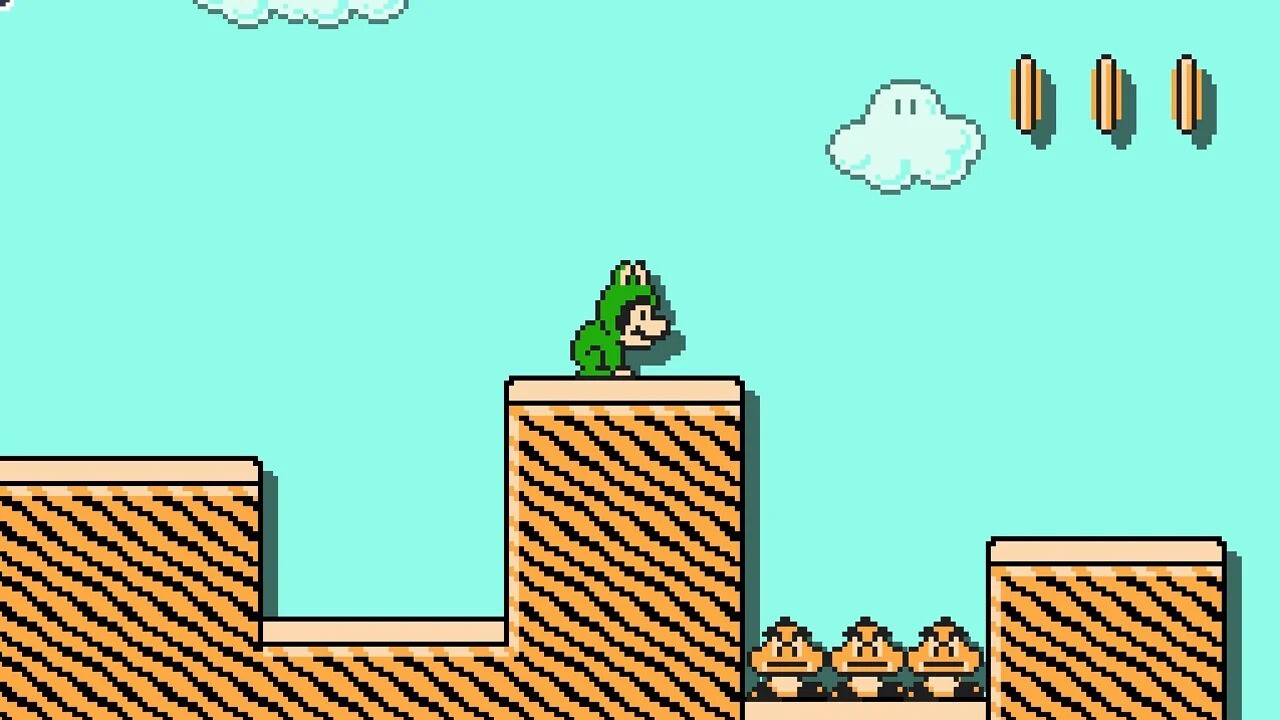


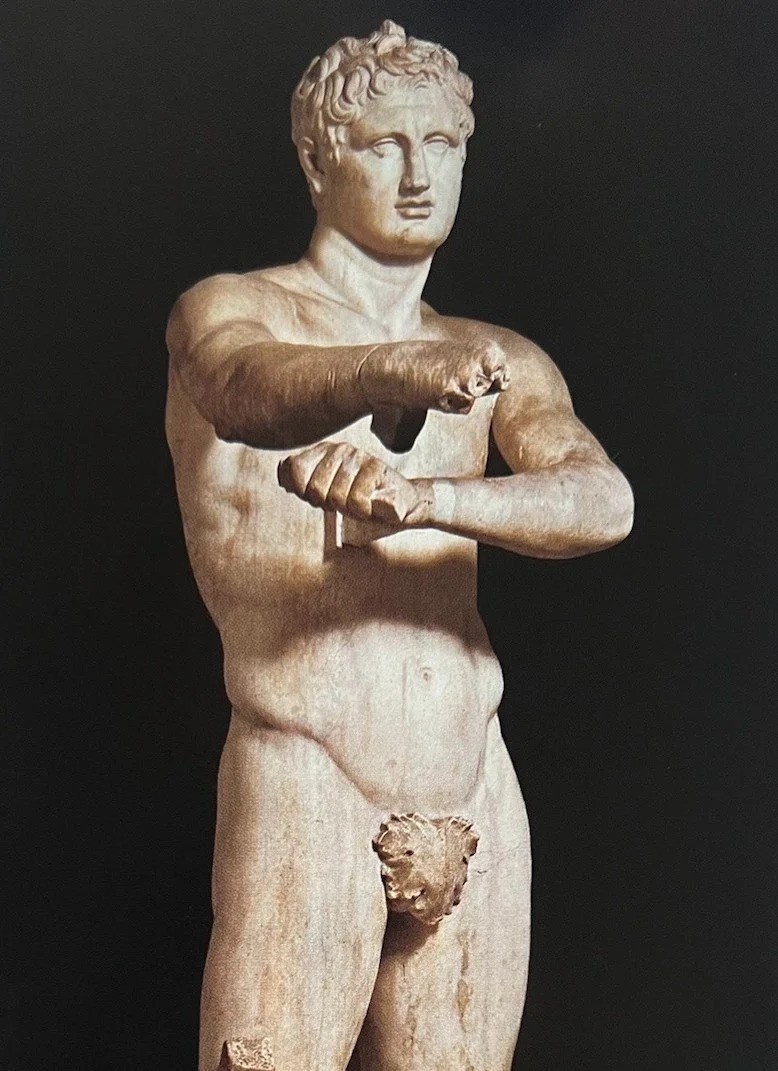

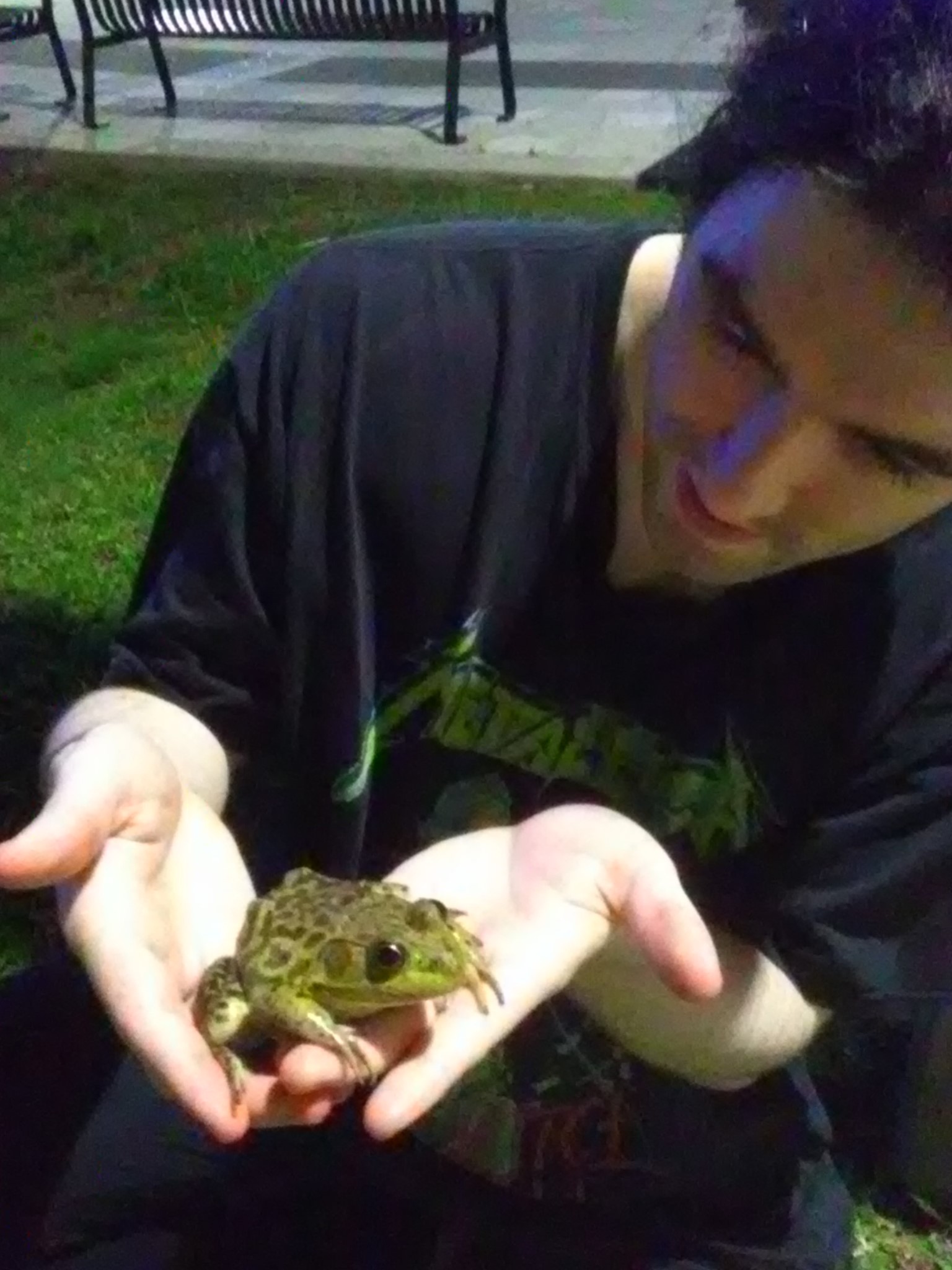


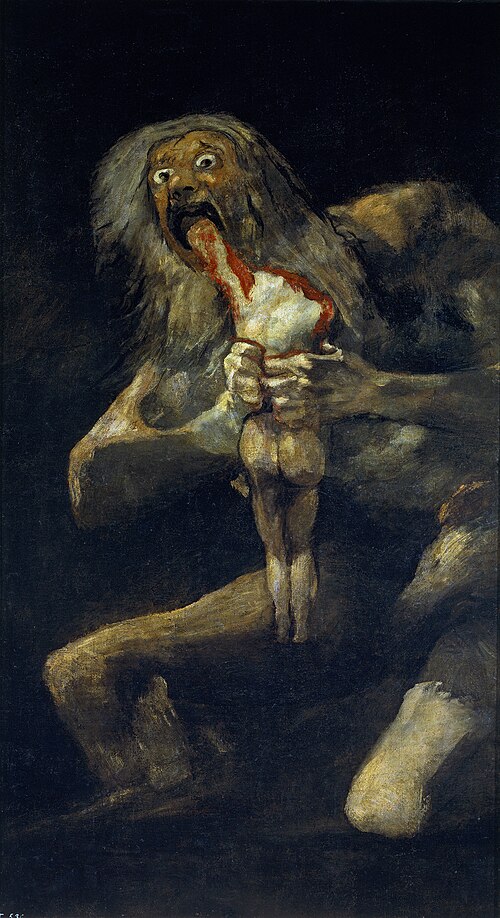


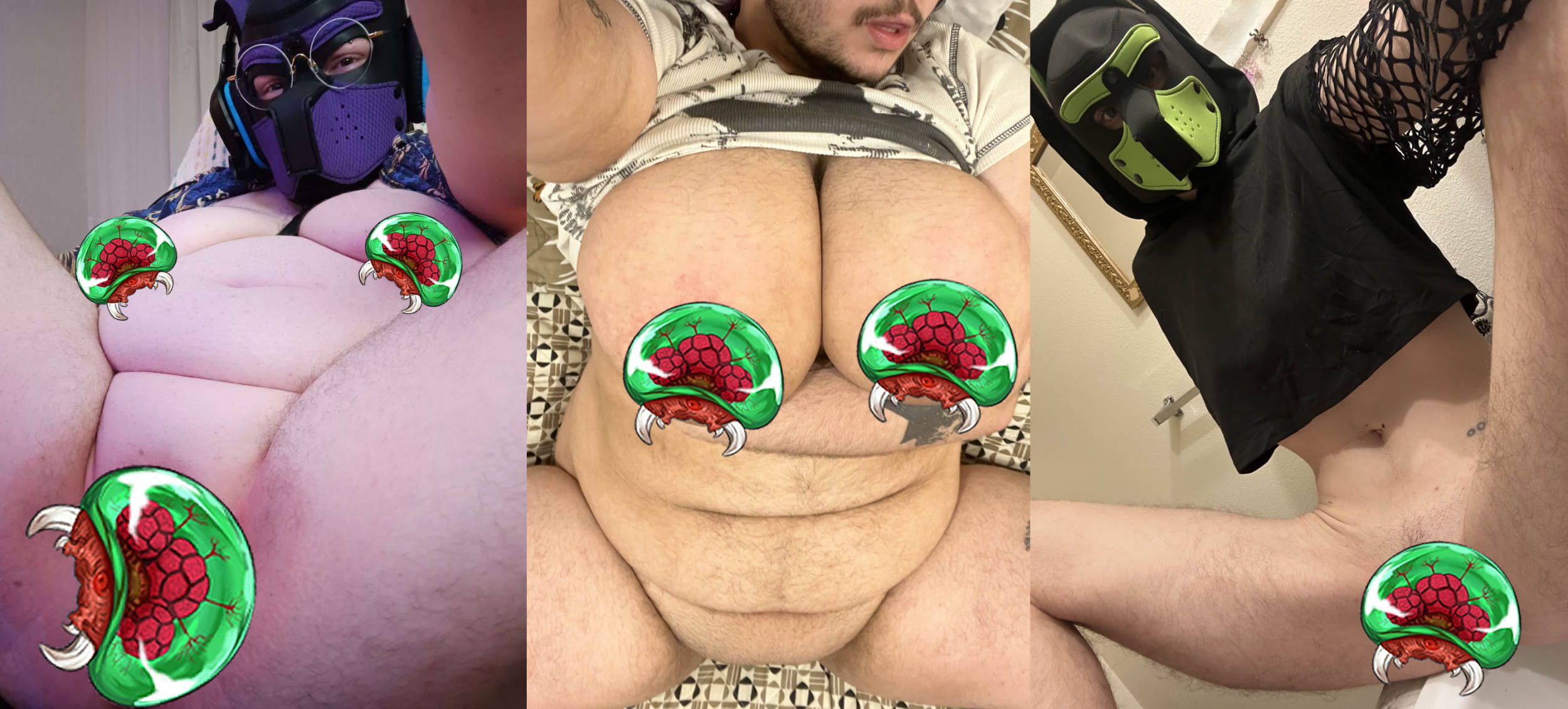

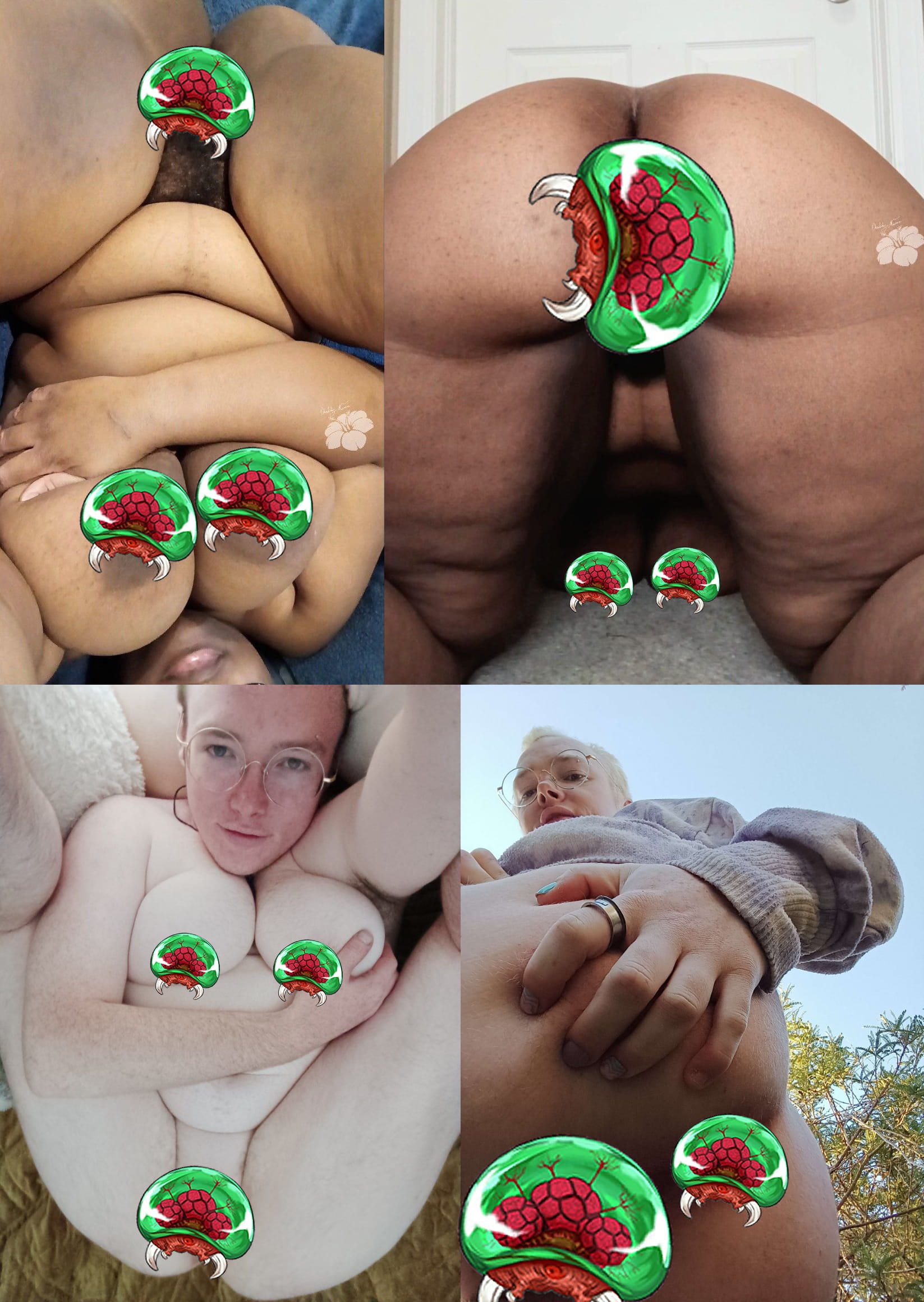


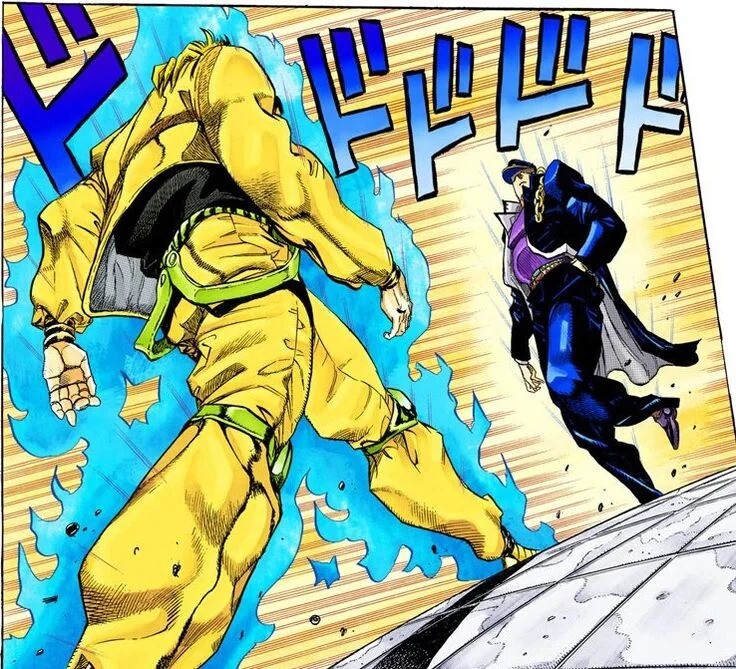

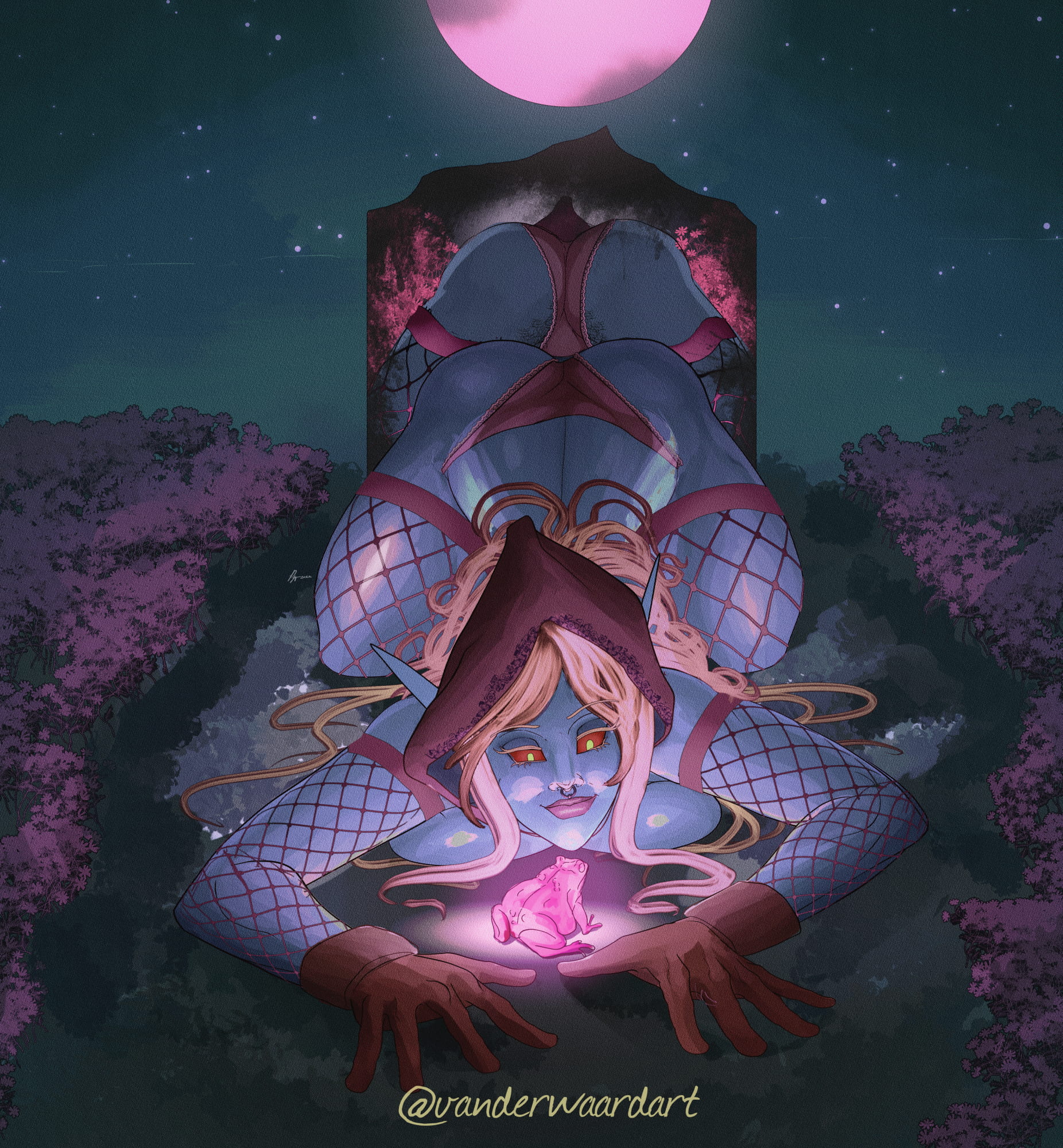



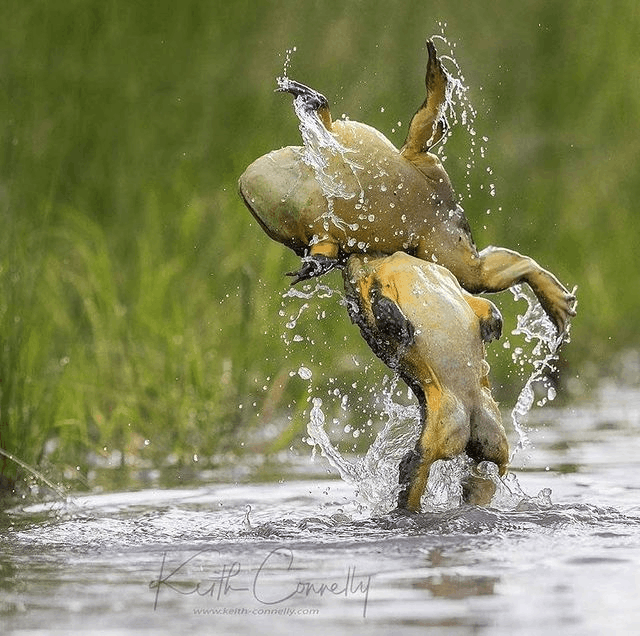
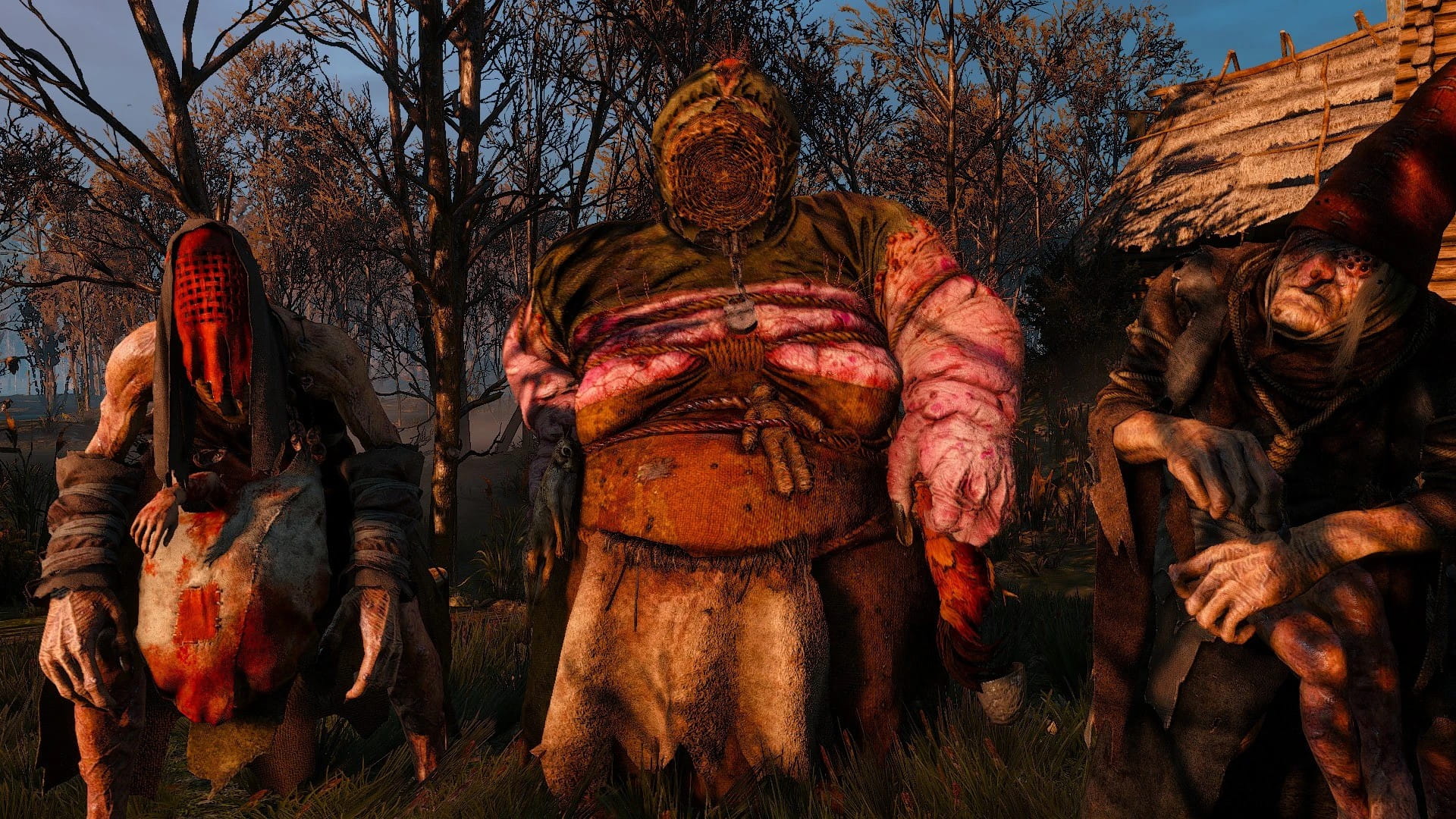



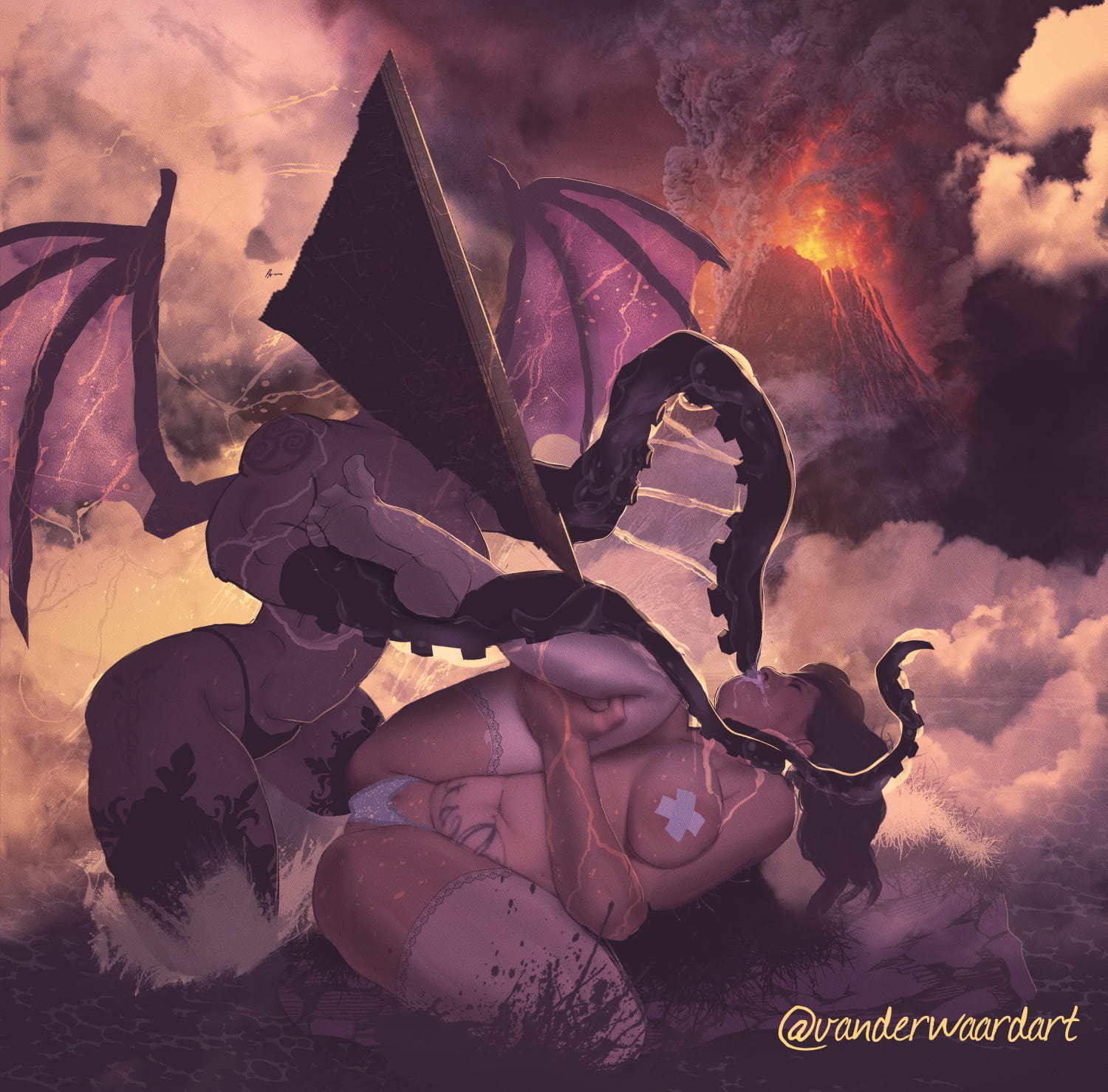
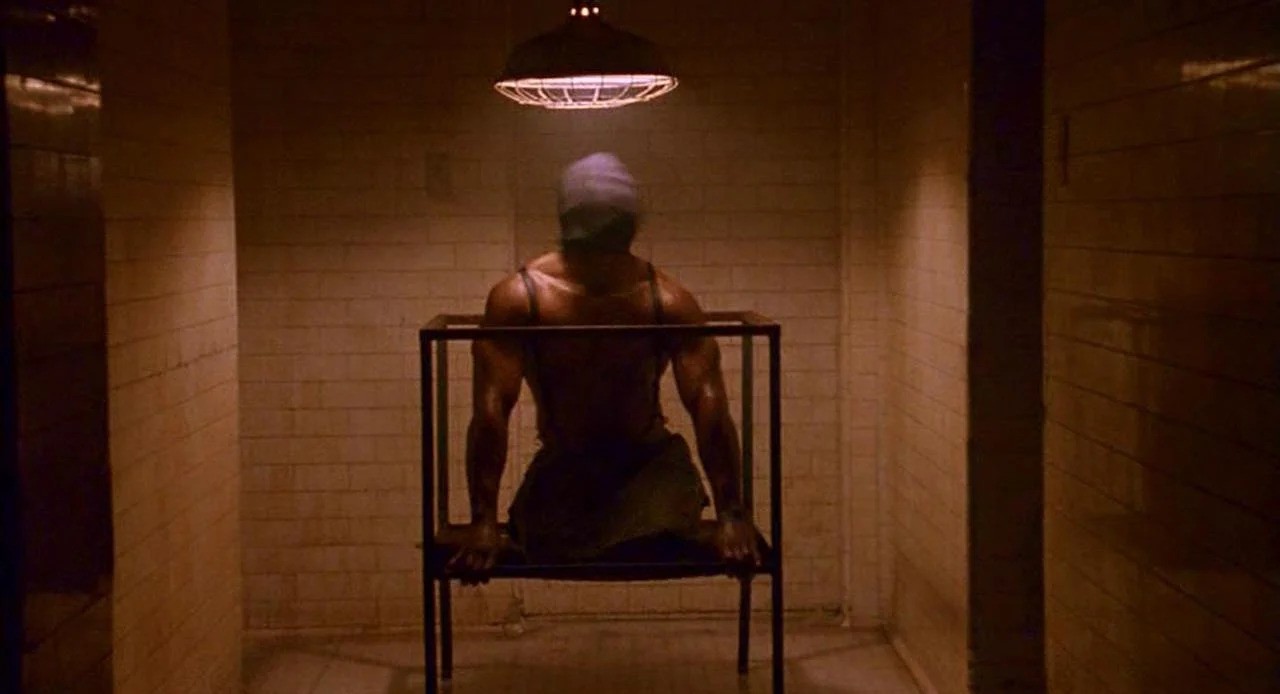


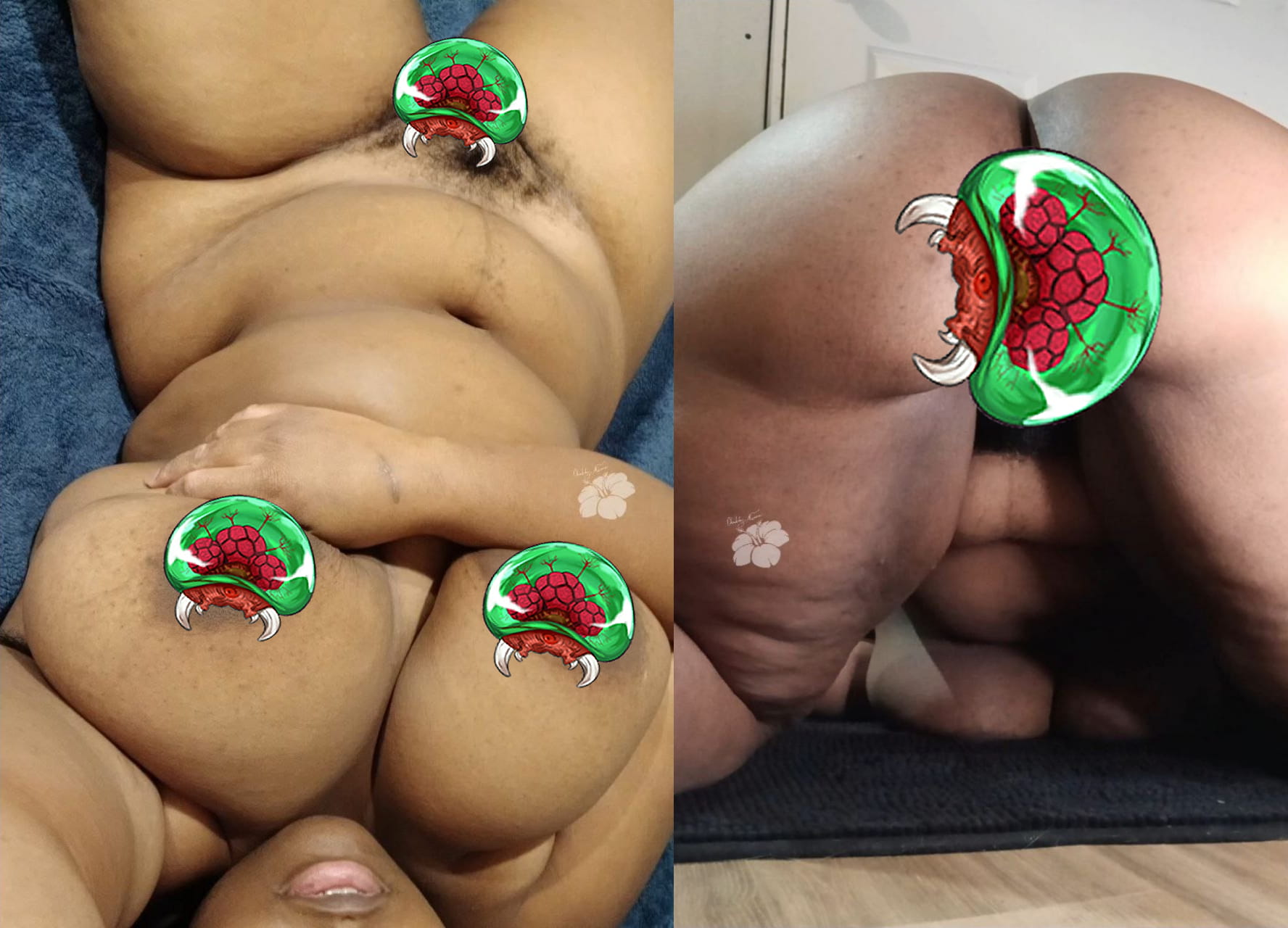





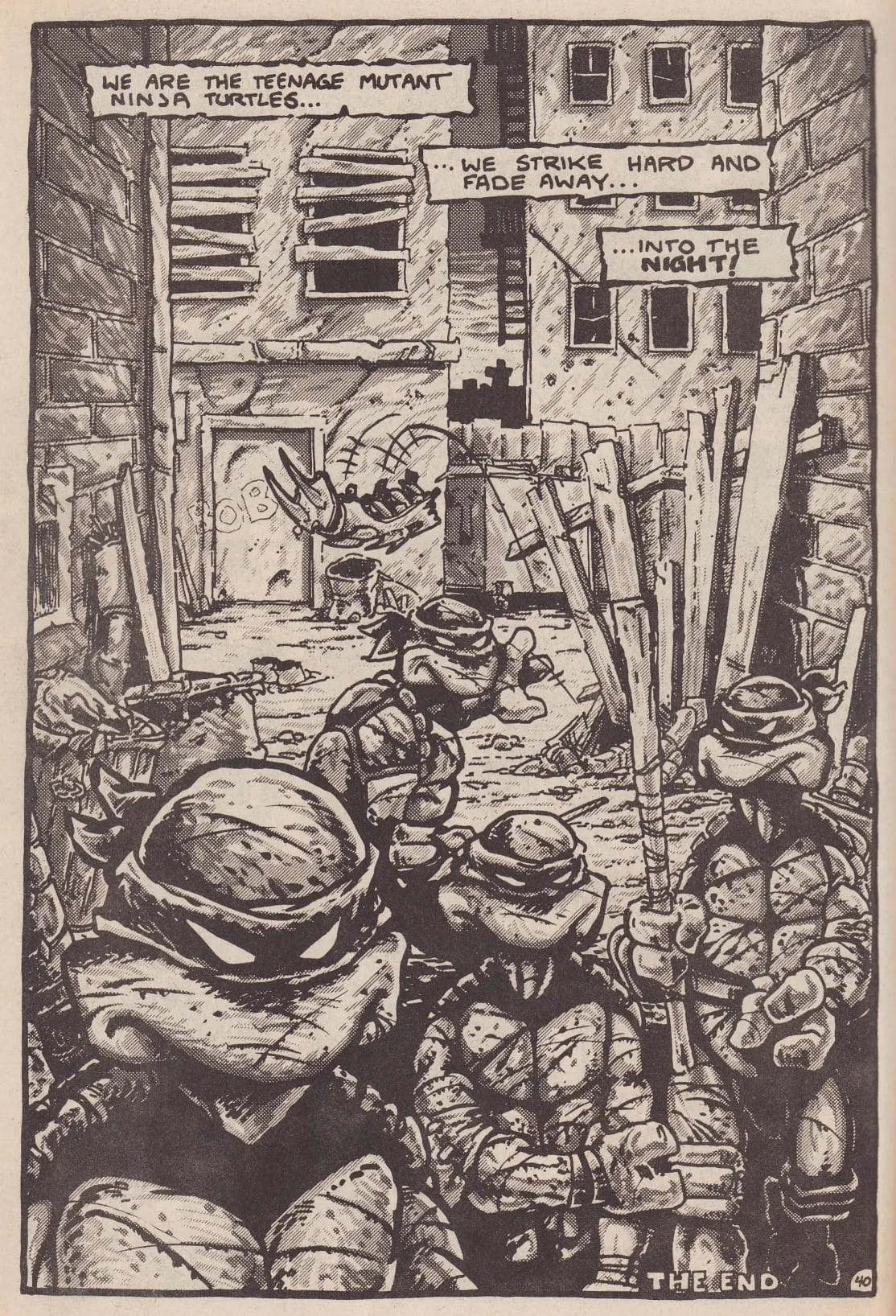
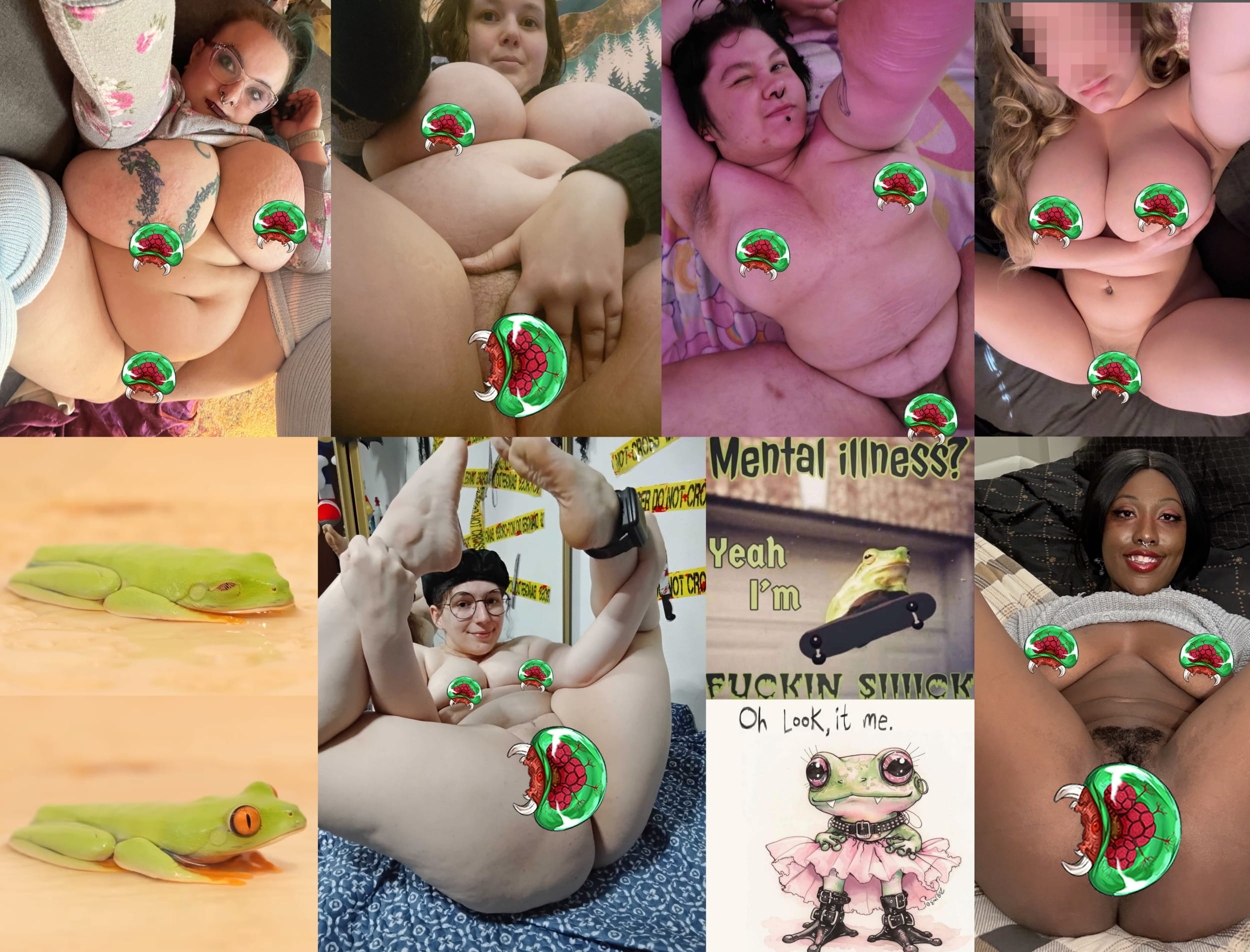


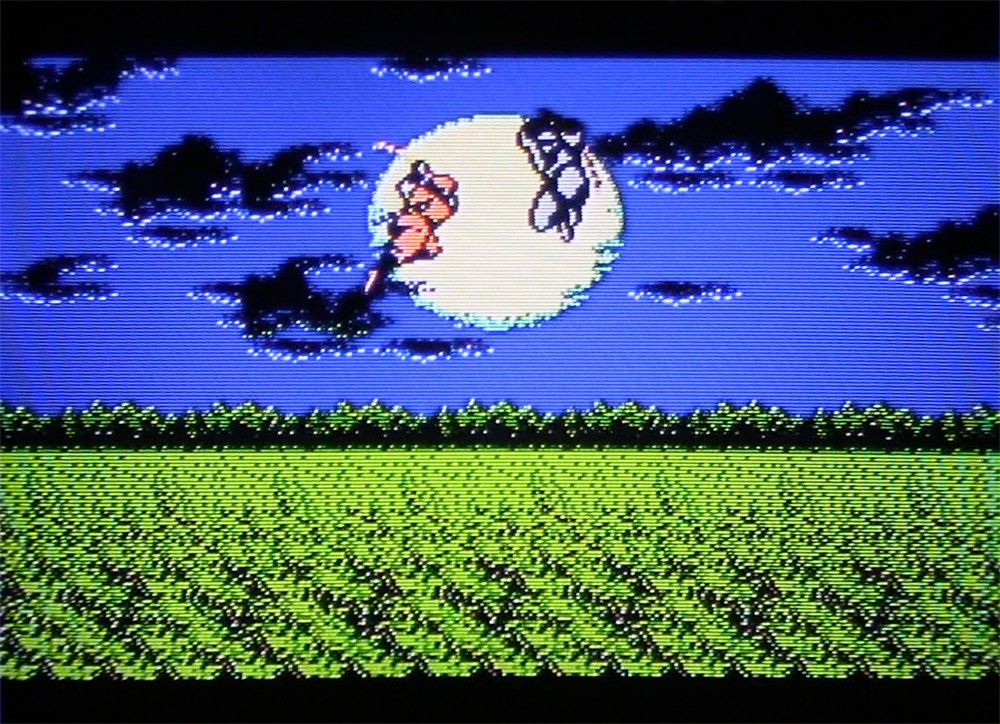
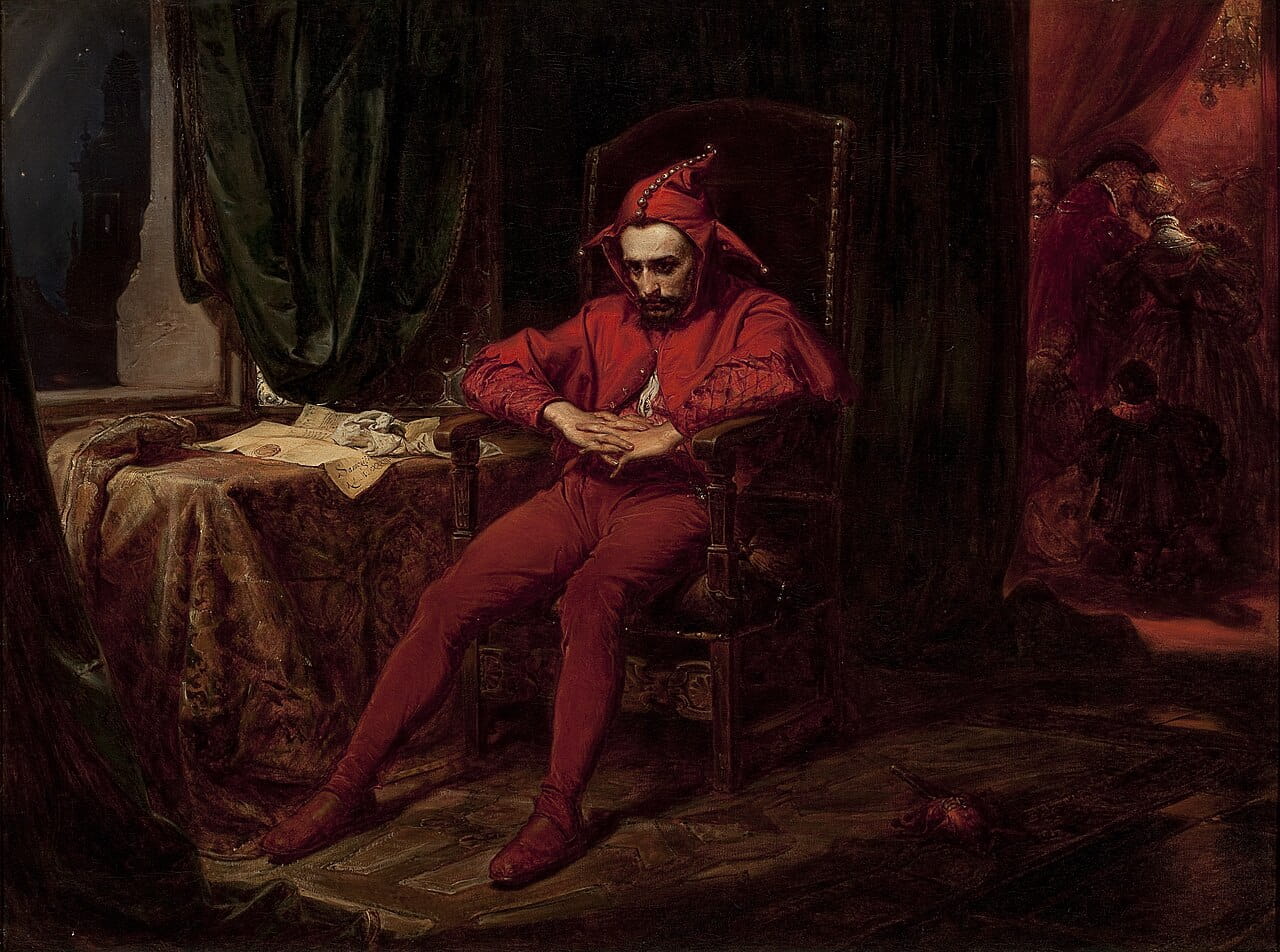
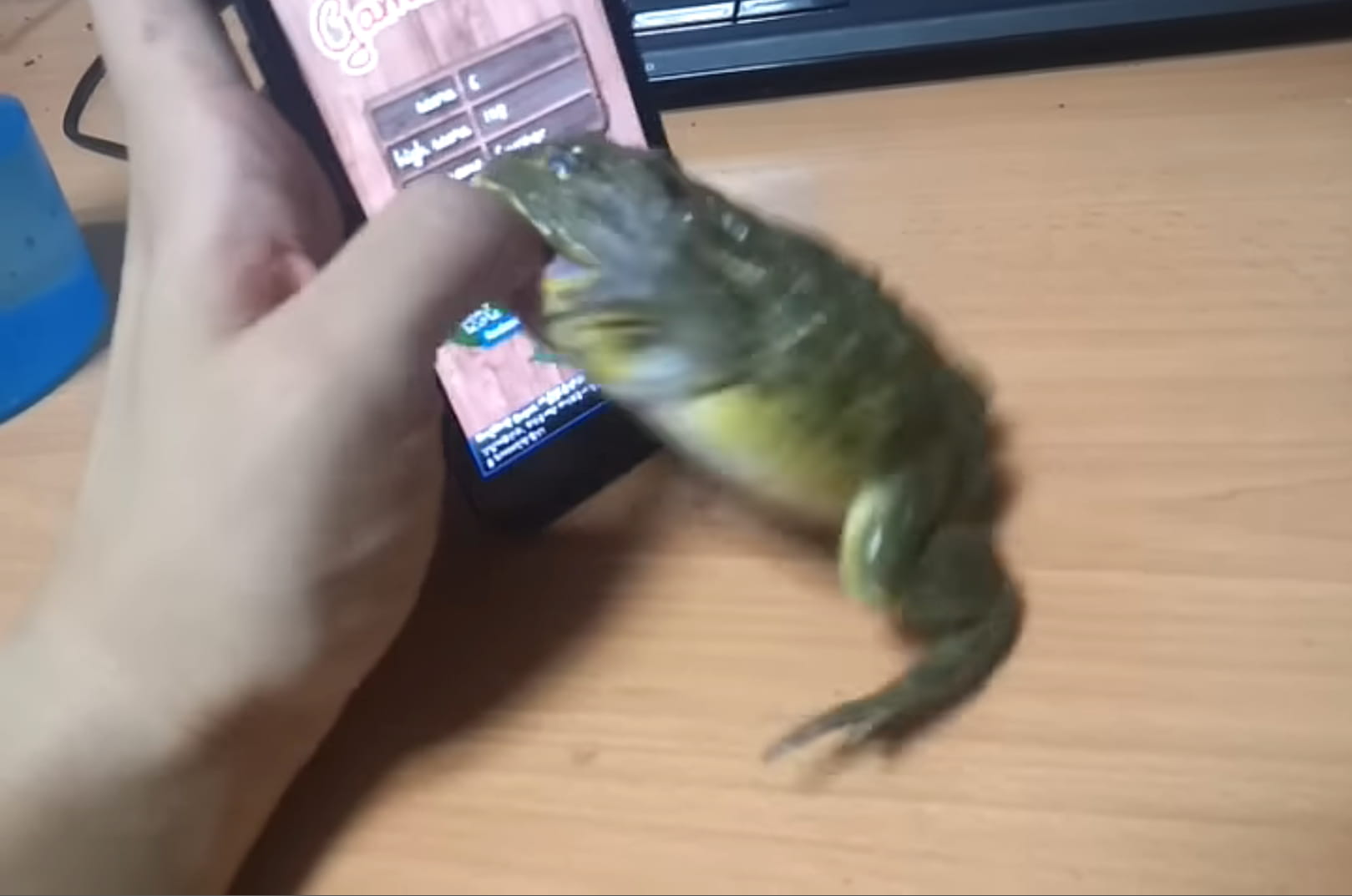
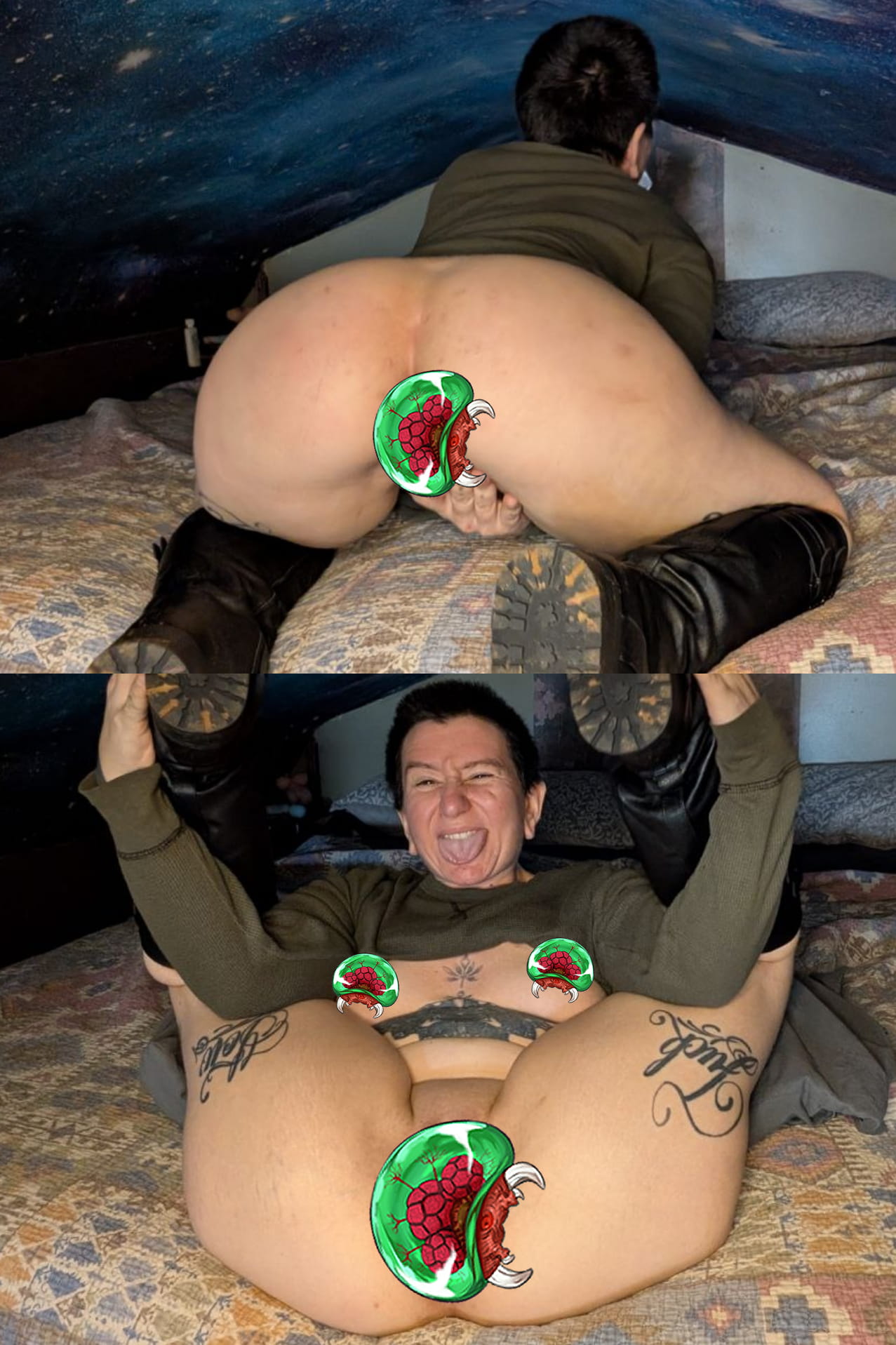

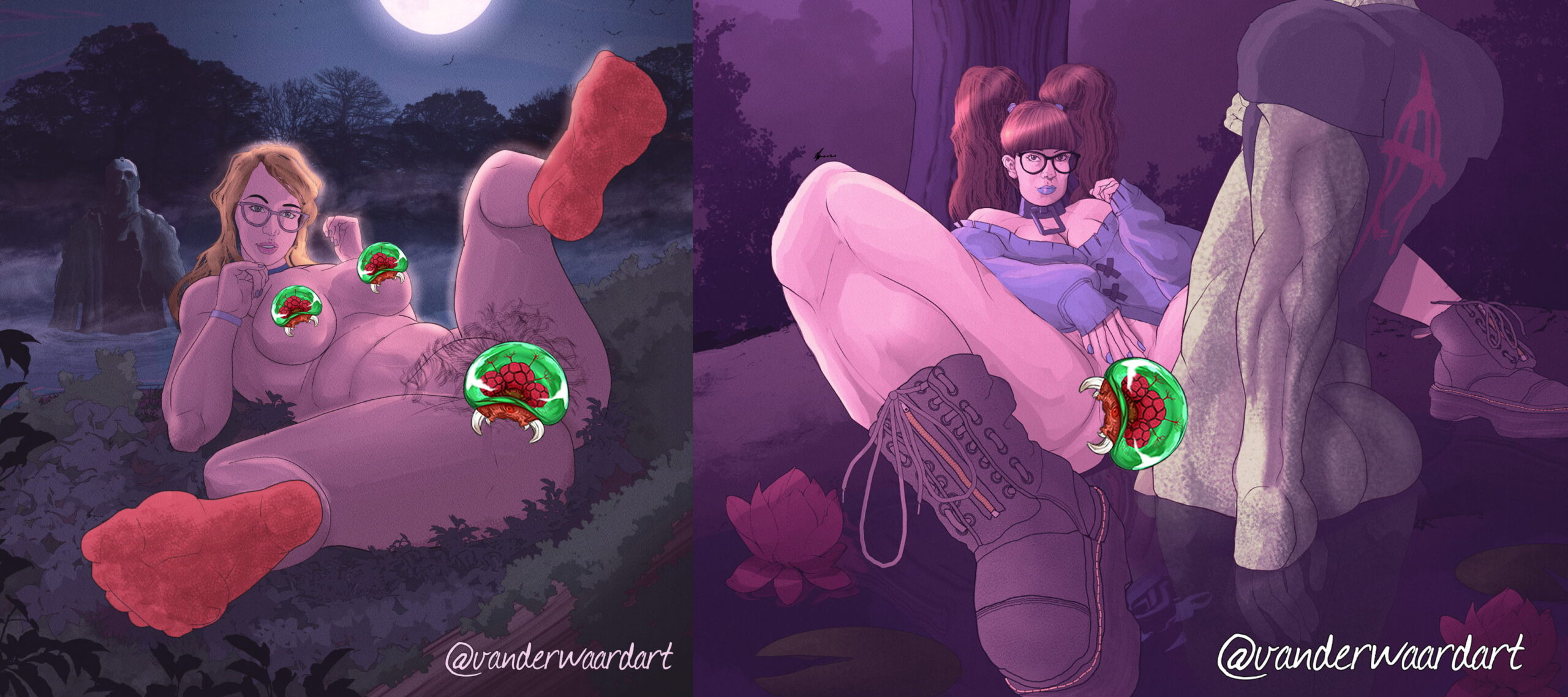
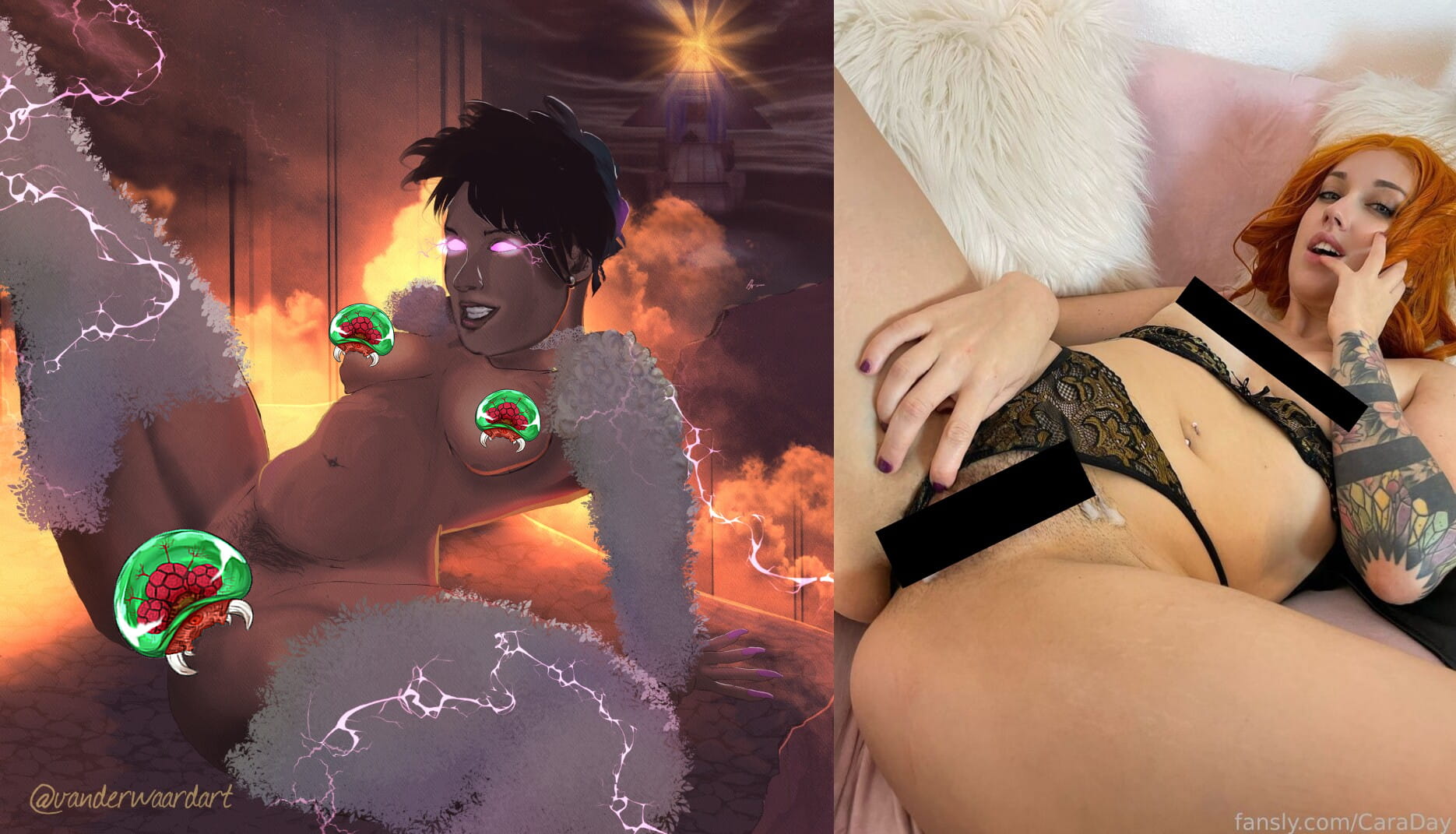


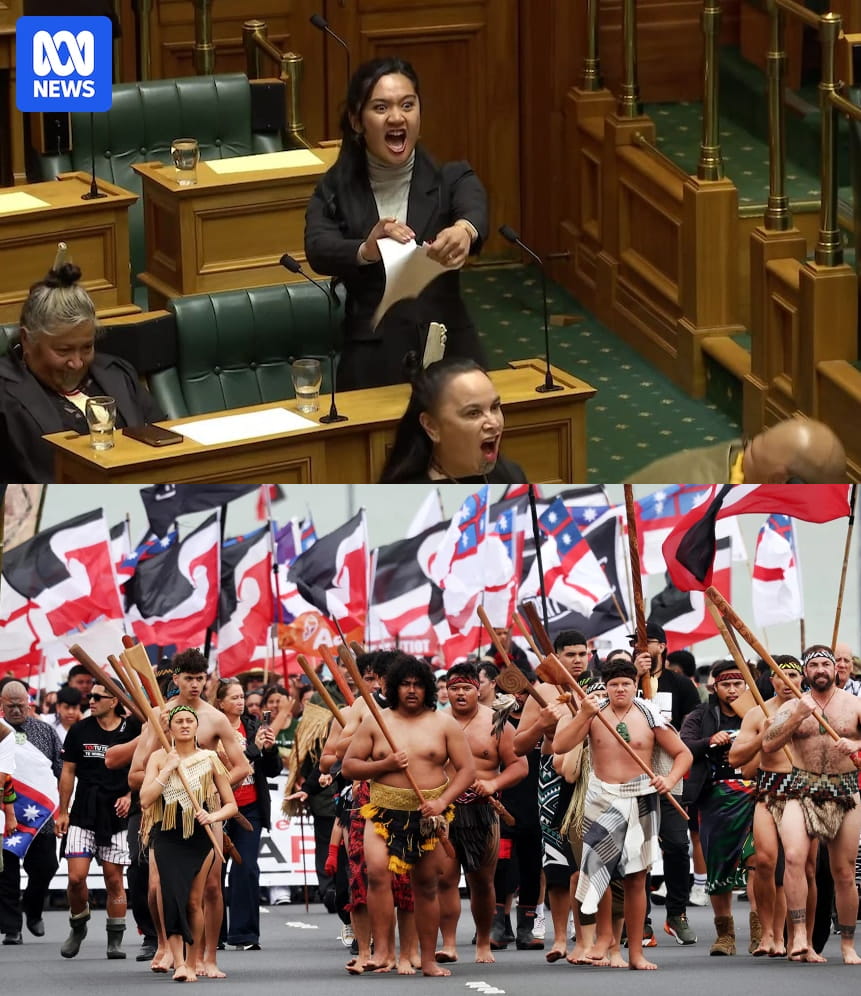
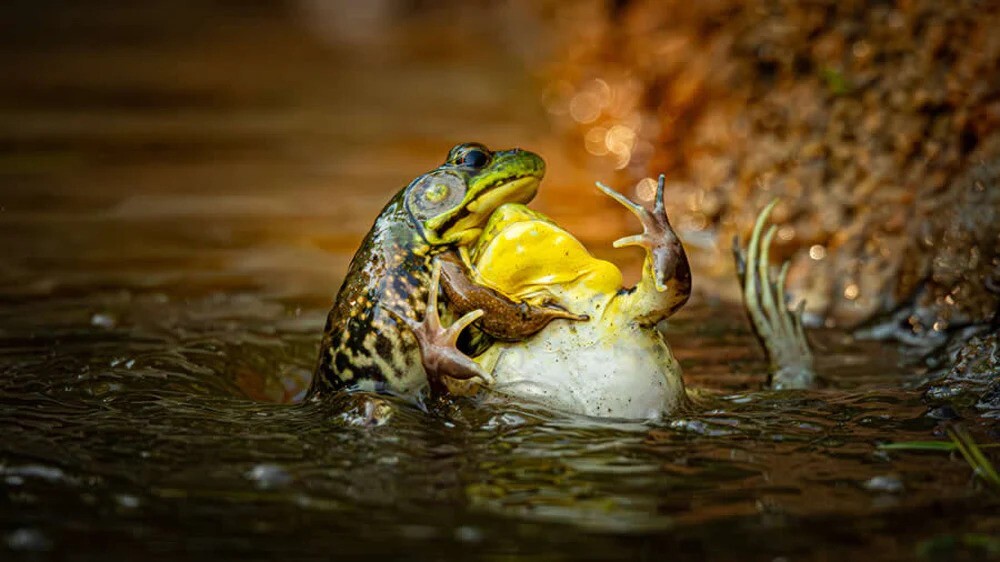

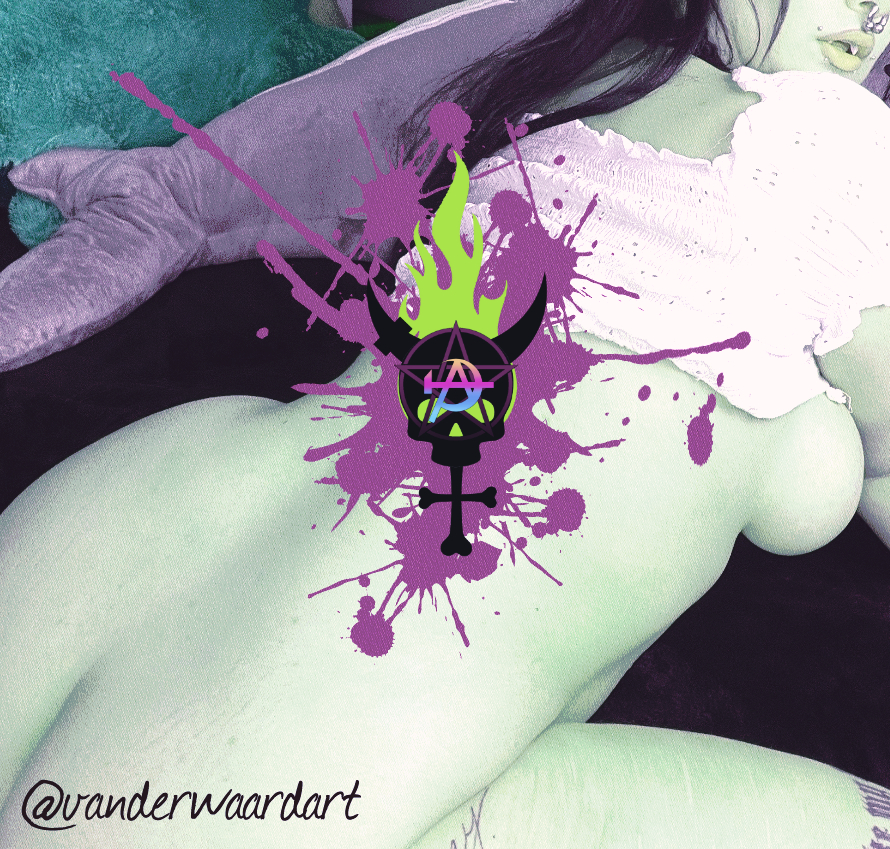
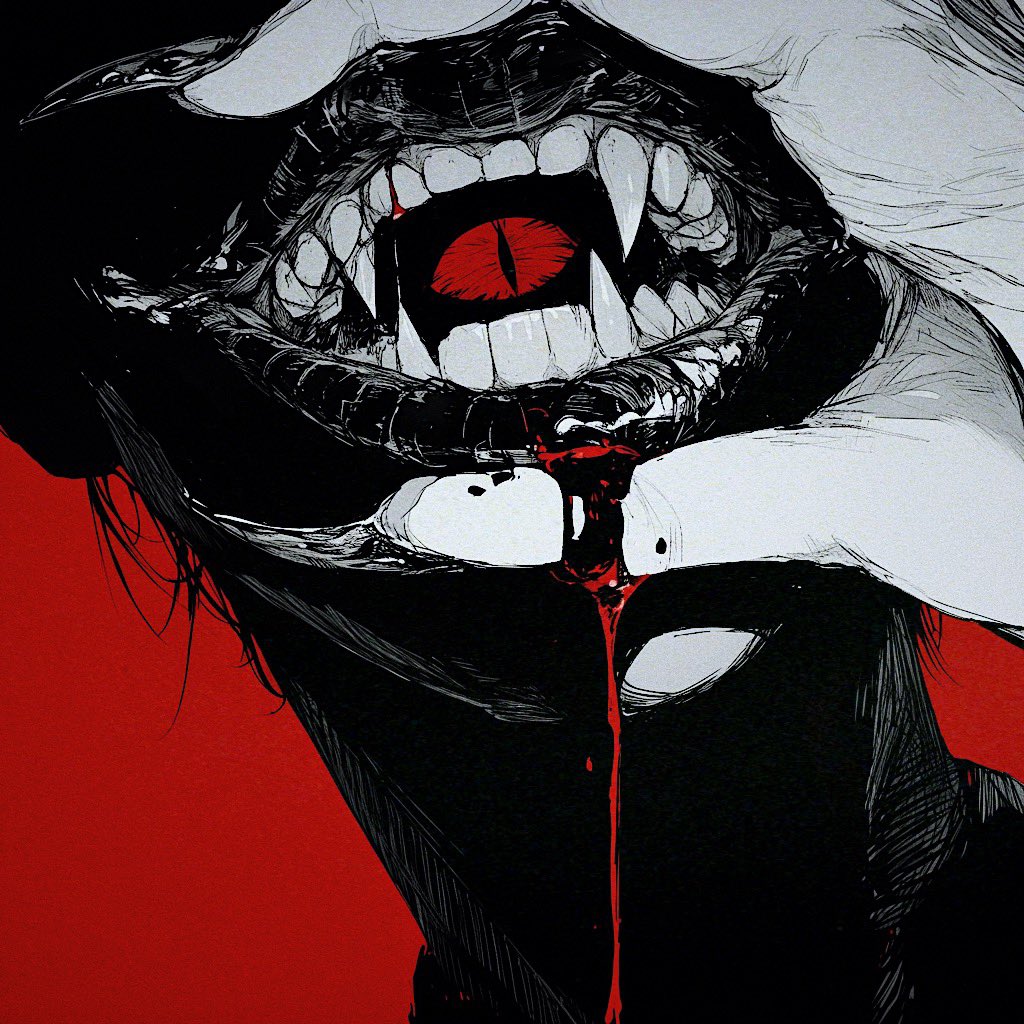
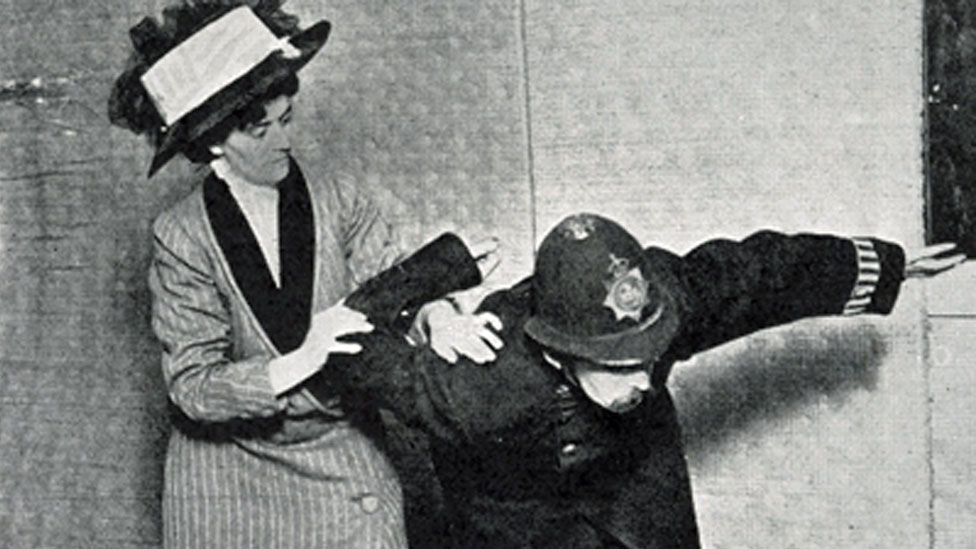


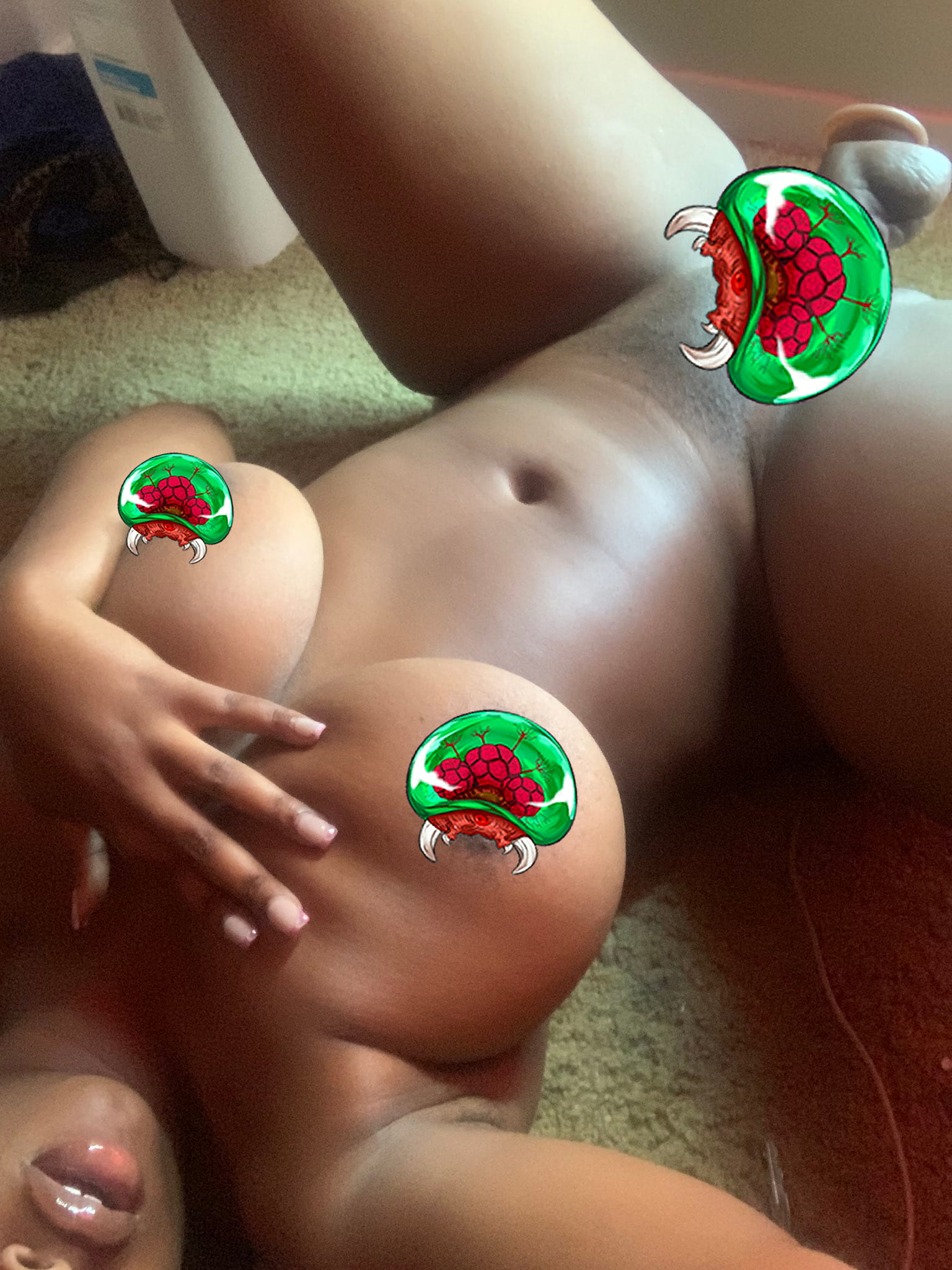


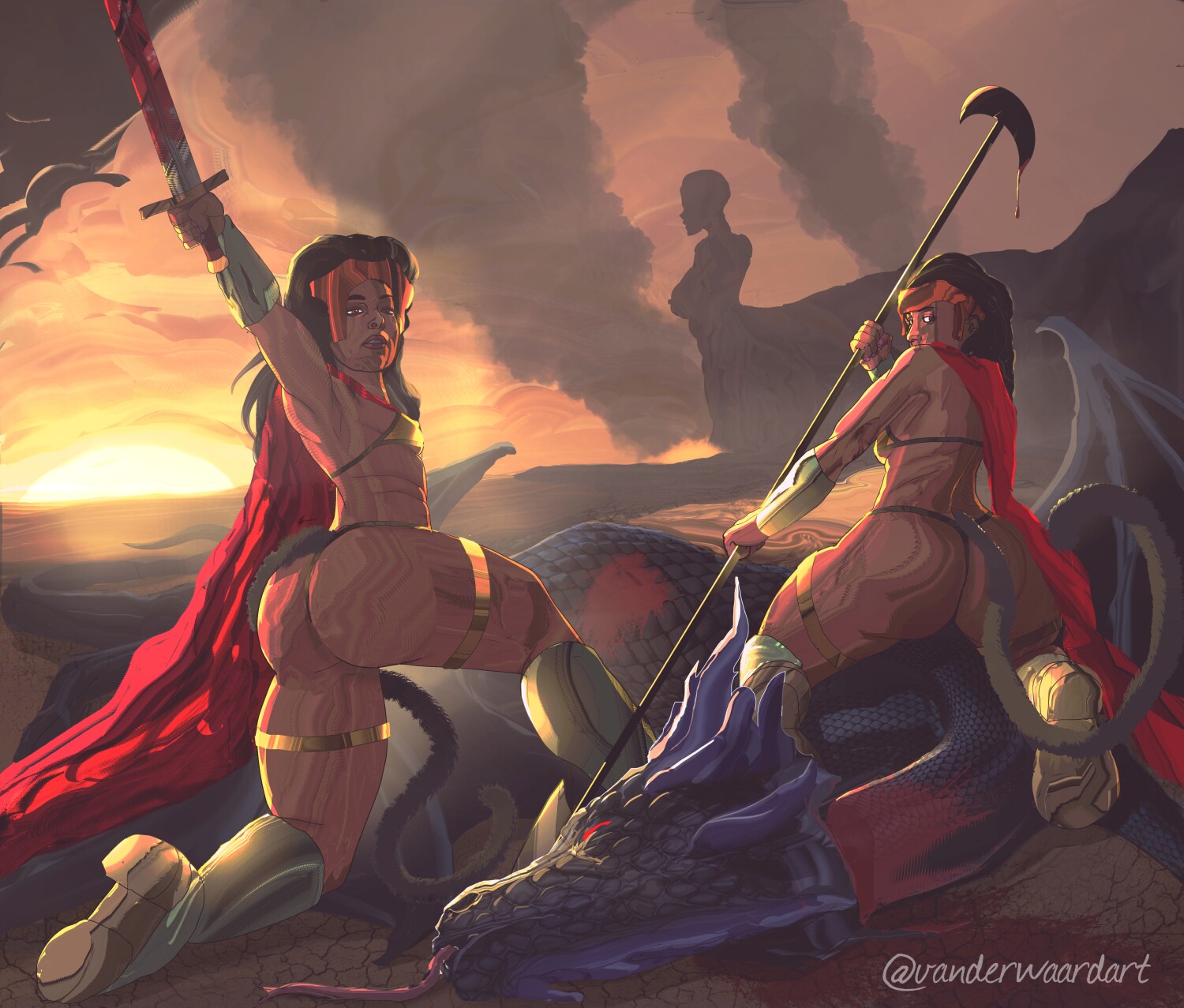


.jpg)
